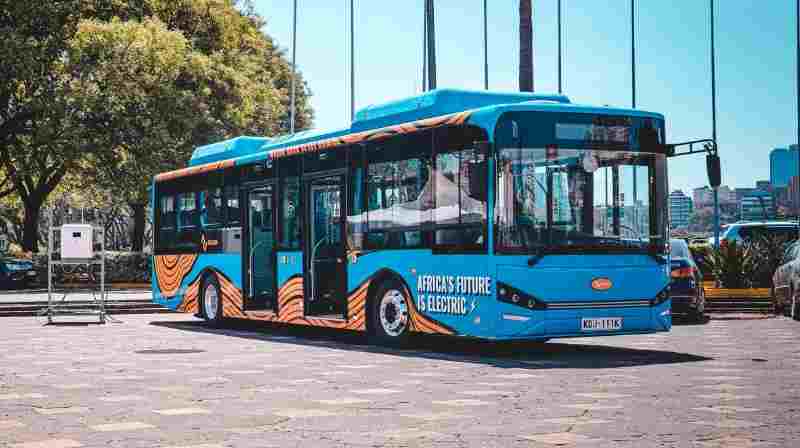
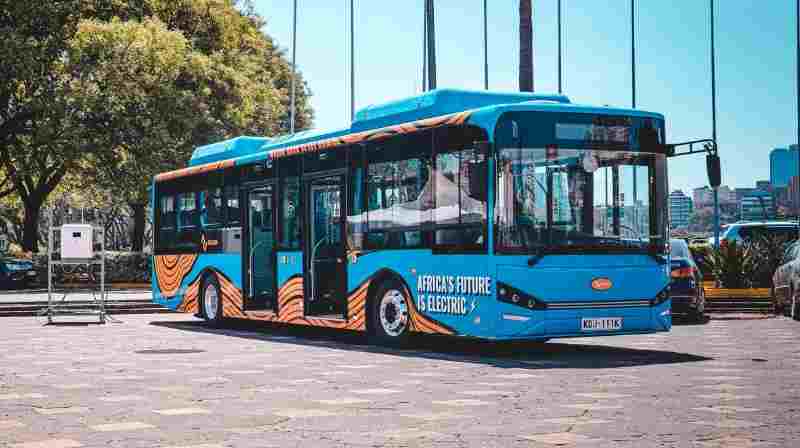
PSV operators adopt 500 electric buses; first EV charging station launched at Stima Plaza, Nairobi.
Commuter UpdatesGreen MobilityBRT
1 min.Read
AFCON 2027: Kenya and Tanzania Put Public Transport at the Centre of Major Rail and BRT Plans

By
admin
May 24, 2026
https://www.facebook.com/sharer.php?u=https://metros.co.ke/afcon-2027-kenya-tanzania-public-transport-brt-rail-plans/
https://x.com/intent/post?text=AFCON+2027:+Kenya+and+Tanzania+Put+Public+Transport+at+the+Centre+of+Major+Rail+and+BRT+Plans&url=https://metros.co.ke/afcon-2027-kenya-tanzania-public-transport-brt-rail-plans/&via=Metros+Kenya
https://pinterest.com/pin/create/button/?url=https://metros.co.ke/afcon-2027-kenya-tanzania-public-transport-brt-rail-plans/&media=https://metros.co.ke/wp-content/uploads/2026/04/new-12.jpg&description=Kenya and Tanzania are upgrading rail and BRT systems in Nairobi, Arusha, and key stadium routes, placing public transport at the centre of AFCON 2027 preparations.
https://api.whatsapp.com/send?text=AFCON+2027:+Kenya+and+Tanzania+Put+Public+Transport+at+the+Centre+of+Major+Rail+and+BRT+Plans https://metros.co.ke/afcon-2027-kenya-tanzania-public-transport-brt-rail-plans/
Kenya and Tanzania have placed public transport at the centre of their preparations for the 2027 Africa Cup of Nations (AFCON), with major rail and Bus Rapid Transit (BRT) projects planned across key cities.
In Tanzania, Prime Minister Mwigulu Nchemba
ordered in February 2026 the immediate start of preparations for a new Bus Rapid Transit (BRT) system in Arusha. The directive aimed to strengthen public transport in the fast-growing city ahead of AFCON and future travel demand.
Information, Culture, Arts and Sports Minister Paul Makonda said the Prime Minister wanted Arusha to adopt a modern BRT system similar to those already operating in Dar es Salaam and Zanzibar. The plan included gas-powered buses to reduce costs, cut emissions, and improve daily commuter movement as well as event travel during AFCON.
In Kenya, transport upgrades are being led by Kenya Railways as part of wider Nairobi Commuter Rail Service improvements to support movement to AFCON venues in Nairobi.
The plan includes a new commuter rail spur line linking Nairobi Central Station to Nyayo National Stadium, passing through Kibera and extending toward Talanta Sports City. A new station near Nyayo Stadium is also planned to improve passenger access during match days.
Kenya Railways said the rail connection will offer a faster, safer, and more affordable alternative to road transport, especially during peak tournament periods when traffic congestion is expected to increase significantly.
The Nairobi Central–Limuru corridor has also been identified as part of the broader commuter rail expansion strategy to strengthen access to major AFCON venues, including Talanta Sports City.
As preparations continue, authorities have begun clearing sections of railway corridors earmarked for the project, warning against illegal structures obstructing the development.
Overall, both Kenya and Tanzania are aligning their infrastructure plans around one clear priority: making public transport the backbone of AFCON 2027 mobility, ensuring fans, workers, and visitors can move efficiently across cities and stadiums.
Kenya and Tanzania are making public transport a central part of AFCON 2027 planning 🚆🚌From Arusha BRT plans to Nairobi rail upgrades, both countries are focusing on moving fans faster and reducing congestion during the tournament.

metros.co.ke