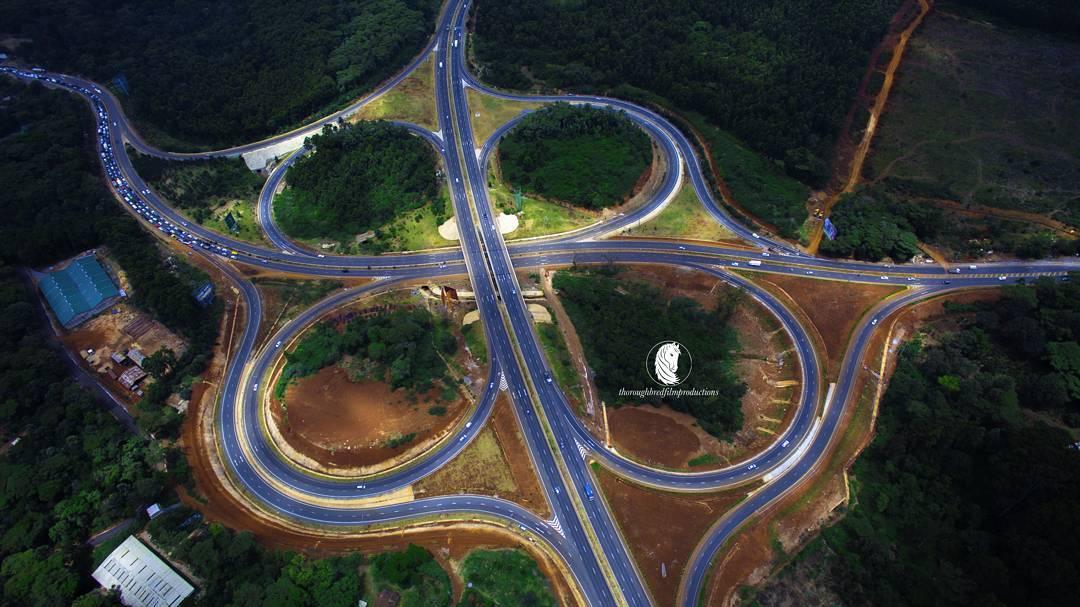
Battle: Dar es Salaam vs Nairobi

Battle: Dar es Salaam vs Nairobi

What is the House of Wonders? Why Zanzibar landmark is such an important part of regional history​

With electricity, an elevator and running water, this Unesco-listed structure was the most modern building in East Africa when it was completed in 1883​

The palace was built in 1883 for Barghash bin Said, second Sultan of Zanzibar. (Photo by Jean-Michel COUREAU/Gamma-Rapho via Getty Images)

UNSPECIFIED - MARCH 27:  view of the harbour of Stone Town , in the background is Beit-al-Ajaib (House of Wonders) in Zanzibar, Tanzania late 19th century  (Photo by Apic/Getty Images)

UNSPECIFIED - SEPTEMBER 16:  military parade at Stone Town in front of Beit-al-Ajaib (House of Wonders) in Zanzibar, Tanzania after 1896  (Photo by Apic/Getty Images)

The House of Wonders before the collapse. Saleh Al Shaibany

The House of Wonders after the collapse on December 25. Photo: Saleh Al Shaibany

Zanzibar, Carved doorway at the House of Wonders, part of the former Sultan's Palace, Zanzibar.Original manuscript caption: Bait Rajab, house of H.H. Said Hamud, circa 1938. 2000/084/1/1/6/5/305. (Photo by: Bristol Archives/Universal Images Group via Getty Images)

ZANZIBAR, TANZANIA - OCTOBER 01: The Wonders House (Beit-el-Ajaib) is the new Museum of History and Cultures on October 01, 2009 in Zanzibar, Tanzania. (Photo by Xavier DESMIER/Gamma-Rapho via Getty Images)

The Price of Wales views displays of British supported development projects during a visit to the House of Wonders in Zanzibar, Tanzania, Africa, on the third day of a four day tour of the country.

ZANZIBAR, TANZANIA - NOVEMBER 08:  Prince Charles, Prince of Wales views displays during a visit to the House of Wonders on November 8, 2011 in Zanzibar, Tanzania. The Prince of Wales and Camilla, Duchess of Cornwall are on a four day tour of Tanzania after a successful trip to South Africa. The Royal couple will be highlighting environmental and social issues during their visit to Africa.  (Photo by Gareth Fuller - Pool/Getty Images)

ZANZIBAR, TANZANIA - 1991/01/01: Tanzania, Zanzibar Island, Zanzibar City, Medina (old Town), 'house Of Wonders', Door. (Photo by Wolfgang Kaehler/LightRocket via Getty Images)

The House of Wonders was built in 1883 for Barghash bin Said, second Sultan of Zanzibar, when the island was under Omani rule. Getty Images

9fa44a68-a4d1-43ab-8bbd-f6555ff6264f.png

Selina Denman

Dec 27, 2020
Listen In English
Listen in Arabic
Beta V.1.0 - Powered by automated translation

When it was inaugurated in 1883, the House of Wonders, or Beit Al Ajaib, was the most modern building in East Africa.

Its grandiose name stemmed from the fact that it was the first in the region to have both electricity and an elevator.

The structure was built as a ceremonial palace and official reception hall by Sultan Barghash bin Said, the second Sultan of Zanzibar, on the site of the 17th-century palace of Zanzibari queen Fatuma.

Located on Mizingani Road in the heart of Zanzibar's Stone Town, the building encapsulated the island's multicultural heritage, conveying a mix of British, Portuguese, Omani and Zanzibari architectural influences, amalgamated over the course of centuries.

The House of Wonders. Courtesy Saleh Al Shaibany

The House of Wonders. Courtesy Saleh Al Shaibany

Among the house's other "wonders" were running water, marble floors, panelled walls, cast-iron columns, elaborate door carvings, open central courtyards and mangrove ceilings that mixed European style elements with traditional Zanzibari motifs.

A series of slender steel pillars and balconies overlooked Stone Town’s waterfront, while enormous carved doors, said to be the largest in East Africa, were flanked by two bronze cannons, carved with Portuguese inscriptions that dated them back to the 16th century.

Covered walkways above street level connected the House of Palace to two adjacent palaces, allowing royal ladies to move about unseen. The sultan is rumoured to have kept wild animals on display in front of the building, while the doors were large enough that he could ride his elephant through them. In 1897, a new clock tower was added to the structure.

The House of Wonders sits adjacent to the Palace Museum, which was built by the second sultan of Zanzibar in 1883, in traditional Omani style. Featuring marble floors, coral stone walls and silver decorative elements, it is an opulent structure that speaks of Zanzibar’s links to the Arab world.

Both were converted into museums in the early 1990s, and quickly became Stone Town’s most popular attractions, with more than 80 per cent of tourists visiting the House of Wonders, according to Zanzibar’s department of tourism and antiquities.

The House of Wonders was dedicated to exhibitions that focused on Swahili culture, while the Palace Museum highlighted Zanzibar and Oman’s intertwined history.

In 2000, the building was added to Unesco’s World Heritage List. But in November 2012, after years of neglect, a large corner of the House of Wonders collapsed, destroying several historic iron pillars and threatening the structural integrity of the building.

By then, the roofs of both buildings were in a precarious state, causing the World Monuments Fund, a private non-profit organisation founded in 1965 to preserve important artistic treasures throughout the world, to add the House of Wonders to its World Monuments Watch in 2014.

In November 2015, heavy rainfall caused the partial collapse of the Palace of Wonders' roof. And disaster struck once again on December 25, 2020, when half of the building collapsed, killing at least two people according to local reports.

The landmark building was in the midst of a $4.3 million, 15-month restoration project funded by the government of Oman, although early reports suggest that works had halted due to the pandemic.

The House of Wonders after the collapse. Courtesy Saleh Al Shaibany

The House of Wonders after the collapse. Courtesy Saleh Al Shaibany

“The ministry of heritage and tourism [of Oman], with regret, has followed up with the partial collapse of the House of Wonders in Zanzibar and hopes that, as the funding body for the comprehensive restoration, maintenance, and rehabilitation project, a team will be formed from all concerned parties to find out the causes and determine the urgent and necessary measures to preserve and protect the building,” an official statement said.

Mechtild Rossler, director of the Unesco World Heritage Centre, commented: "We have confidence that the authorities will carry out the necessary emergency actions and assessments to understand the causes of this damage and propose solutions for the safeguarding of this monument, which is an essential component contributing to the Outstanding Universal Value of the site.

"Unesco stands ready to support the ongoing efforts and we are with the United Republic of Tanzania in facing this disaster."


When a famous architect uses JNIA terminal 2 as an example for a design
 
Sio eti huwezi pata, ni eti hakuna. 🤣 🤣 🤣 Nairobi expressway ikona interchange mingi kuliko barabara zote in the history Tanzania.
Wacha maneno mengi sema Kunyaland ina substandard interchanges nyingii na sitakubishia maana mnaongoza duniani!
 

What is the House of Wonders? Why Zanzibar landmark is such an important part of regional history​

With electricity, an elevator and running water, this Unesco-listed structure was the most modern building in East Africa when it was completed in 1883​

The palace was built in 1883 for Barghash bin Said, second Sultan of Zanzibar. (Photo by Jean-Michel COUREAU/Gamma-Rapho via Getty Images)

UNSPECIFIED - MARCH 27:  view of the harbour of Stone Town , in the background is Beit-al-Ajaib (House of Wonders) in Zanzibar, Tanzania late 19th century  (Photo by Apic/Getty Images)

UNSPECIFIED - SEPTEMBER 16:  military parade at Stone Town in front of Beit-al-Ajaib (House of Wonders) in Zanzibar, Tanzania after 1896  (Photo by Apic/Getty Images)

The House of Wonders before the collapse. Saleh Al Shaibany

The House of Wonders after the collapse on December 25. Photo: Saleh Al Shaibany

Zanzibar, Carved doorway at the House of Wonders, part of the former Sultan's Palace, Zanzibar.Original manuscript caption: Bait Rajab, house of H.H. Said Hamud, circa 1938. 2000/084/1/1/6/5/305. (Photo by: Bristol Archives/Universal Images Group via Getty Images)'s Palace, Zanzibar.Original manuscript caption: Bait Rajab, house of H.H. Said Hamud, circa 1938. 2000/084/1/1/6/5/305. (Photo by: Bristol Archives/Universal Images Group via Getty Images)

ZANZIBAR, TANZANIA - OCTOBER 01: The Wonders House (Beit-el-Ajaib) is the new Museum of History and Cultures on October 01, 2009 in Zanzibar, Tanzania. (Photo by Xavier DESMIER/Gamma-Rapho via Getty Images)

The Price of Wales views displays of British supported development projects during a visit to the House of Wonders in Zanzibar, Tanzania, Africa, on the third day of a four day tour of the country.

ZANZIBAR, TANZANIA - NOVEMBER 08:  Prince Charles, Prince of Wales views displays during a visit to the House of Wonders on November 8, 2011 in Zanzibar, Tanzania. The Prince of Wales and Camilla, Duchess of Cornwall are on a four day tour of Tanzania after a successful trip to South Africa. The Royal couple will be highlighting environmental and social issues during their visit to Africa.  (Photo by Gareth Fuller - Pool/Getty Images)

ZANZIBAR, TANZANIA - 1991/01/01: Tanzania, Zanzibar Island, Zanzibar City, Medina (old Town), 'house Of Wonders', Door. (Photo by Wolfgang Kaehler/LightRocket via Getty Images)'house Of Wonders', Door. (Photo by Wolfgang Kaehler/LightRocket via Getty Images)

The House of Wonders was built in 1883 for Barghash bin Said, second Sultan of Zanzibar, when the island was under Omani rule. Getty Images

9fa44a68-a4d1-43ab-8bbd-f6555ff6264f.png

Selina Denman

Dec 27, 2020
Listen In English
Listen in Arabic
Beta V.1.0 - Powered by automated translation

When it was inaugurated in 1883, the House of Wonders, or Beit Al Ajaib, was the most modern building in East Africa.

Its grandiose name stemmed from the fact that it was the first in the region to have both electricity and an elevator.

The structure was built as a ceremonial palace and official reception hall by Sultan Barghash bin Said, the second Sultan of Zanzibar, on the site of the 17th-century palace of Zanzibari queen Fatuma.

Located on Mizingani Road in the heart of Zanzibar's Stone Town, the building encapsulated the island's multicultural heritage, conveying a mix of British, Portuguese, Omani and Zanzibari architectural influences, amalgamated over the course of centuries.

The House of Wonders. Courtesy Saleh Al Shaibany

The House of Wonders. Courtesy Saleh Al Shaibany

Among the house's other "wonders" were running water, marble floors, panelled walls, cast-iron columns, elaborate door carvings, open central courtyards and mangrove ceilings that mixed European style elements with traditional Zanzibari motifs.

A series of slender steel pillars and balconies overlooked Stone Town’s waterfront, while enormous carved doors, said to be the largest in East Africa, were flanked by two bronze cannons, carved with Portuguese inscriptions that dated them back to the 16th century.

Covered walkways above street level connected the House of Palace to two adjacent palaces, allowing royal ladies to move about unseen. The sultan is rumoured to have kept wild animals on display in front of the building, while the doors were large enough that he could ride his elephant through them. In 1897, a new clock tower was added to the structure.

The House of Wonders sits adjacent to the Palace Museum, which was built by the second sultan of Zanzibar in 1883, in traditional Omani style. Featuring marble floors, coral stone walls and silver decorative elements, it is an opulent structure that speaks of Zanzibar’s links to the Arab world.

Both were converted into museums in the early 1990s, and quickly became Stone Town’s most popular attractions, with more than 80 per cent of tourists visiting the House of Wonders, according to Zanzibar’s department of tourism and antiquities.

The House of Wonders was dedicated to exhibitions that focused on Swahili culture, while the Palace Museum highlighted Zanzibar and Oman’s intertwined history.

In 2000, the building was added to Unesco’s World Heritage List. But in November 2012, after years of neglect, a large corner of the House of Wonders collapsed, destroying several historic iron pillars and threatening the structural integrity of the building.

By then, the roofs of both buildings were in a precarious state, causing the World Monuments Fund, a private non-profit organisation founded in 1965 to preserve important artistic treasures throughout the world, to add the House of Wonders to its World Monuments Watch in 2014.

In November 2015, heavy rainfall caused the partial collapse of the Palace of Wonders' roof. And disaster struck once again on December 25, 2020, when half of the building collapsed, killing at least two people according to local reports.

The landmark building was in the midst of a $4.3 million, 15-month restoration project funded by the government of Oman, although early reports suggest that works had halted due to the pandemic.

The House of Wonders after the collapse. Courtesy Saleh Al Shaibany

The House of Wonders after the collapse. Courtesy Saleh Al Shaibany

“The ministry of heritage and tourism [of Oman], with regret, has followed up with the partial collapse of the House of Wonders in Zanzibar and hopes that, as the funding body for the comprehensive restoration, maintenance, and rehabilitation project, a team will be formed from all concerned parties to find out the causes and determine the urgent and necessary measures to preserve and protect the building,” an official statement said.

Mechtild Rossler, director of the Unesco World Heritage Centre, commented: "We have confidence that the authorities will carry out the necessary emergency actions and assessments to understand the causes of this damage and propose solutions for the safeguarding of this monument, which is an essential component contributing to the Outstanding Universal Value of the site.

"Unesco stands ready to support the ongoing efforts and we are with the United Republic of Tanzania in facing this disaster."


Huyu mrithi wa Diana's position ipo namna aliyaboost haya matiti, hii sio asili ya Mzungu

Screenshot_20220701-220655.png
 
Back
Top Bottom