from the link..bei ya $22 ndio ilifanya value iende juu against $12 per metre soma hii part na ujue that private sector yenu ikijenga sai itadrop value(read the last statement)
“Residential development is urgently lacking,” it says, adding to a growing chorus on Kenya’s housing deficit of about 200,000 units annually.
Property development has more recently been seen as a safe investment bet in Kenya, making it a popular cash-generating option for investors.
This is evidenced by the numerous giant cranes on the city’s commercial districts such as Upper Hill and Westlands.
Property experts acknowledged that office space charges are higher in
Dar at an average of $22 per square metre compared to
Nairobi’s $12 – $14.
Nairobi "more lucrative"
They, however, s
aid that rents have been falling in Dar even as growth remains steady in Nairobi, making the Kenyan capital
more lucrative in terms of return on investment.
“
Honestly, we are struggling to sell space in Dar.
So based on a long-term view, Nairobi’s capital value will be higher,” said Ben Woodhams, the managing director of Knight Frank – a property firm with a footprint in Kenya and Tanzania.
READ:
Why Nairobi is in the global investors' top five watchlist
“At the end of the day, it doesn’t matter how much it costs to construct a building but how much returns it generates,” he added.
The World Bank report, however, says
Nairobi has the highest replacement value for its built-up area and built-floor area ahead of Dar, Addis Ababa and Kigali, even as it lags the global standards.
“Our analysis of imagery from satellites and geographic information systems (GIS) confirms that in African cities, capital investment not only appears low near the urban core, but rapidly declines outside it.”
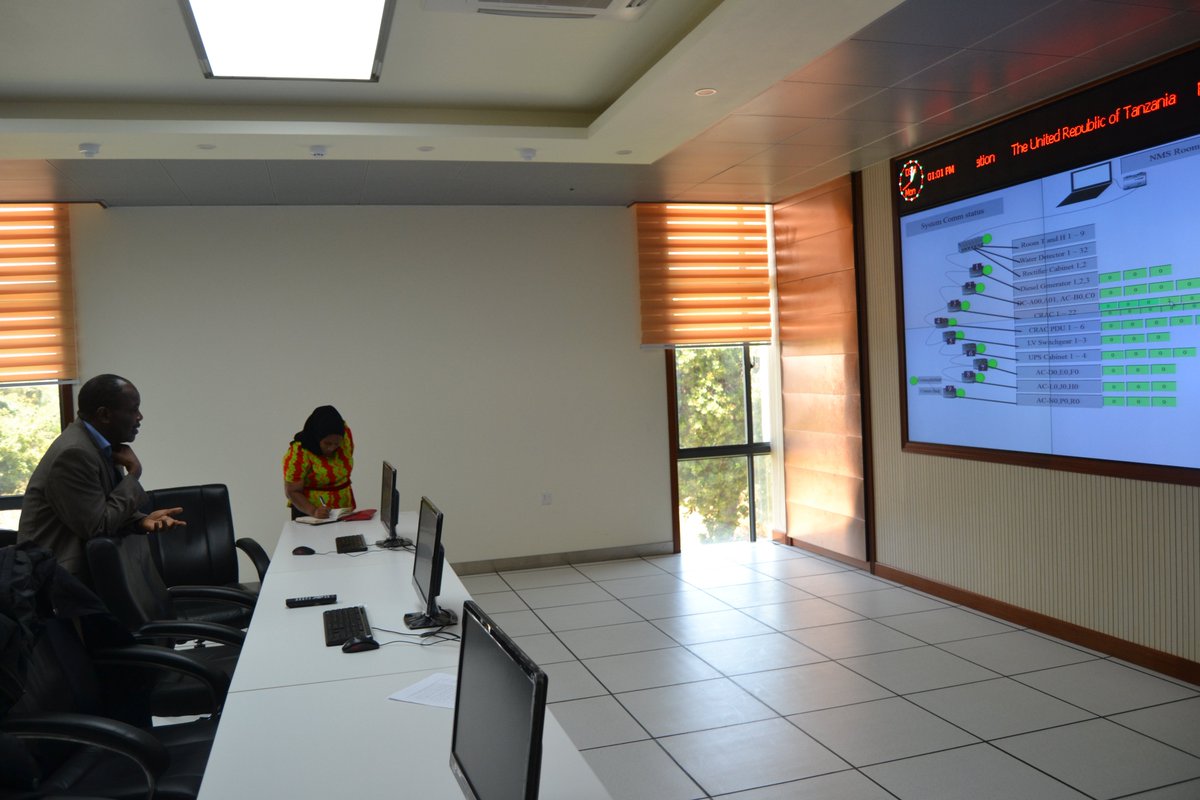
Mr Woodhams said property markets in Dar and Nairobi tell of different stories since the majority of new buildings in Tanzania are government-funded while Kenya’s is private sector-driven.
He said that the swanky public buildings in Dar are likely to generate
near zero-returns in the near term since they are occupied by parastatals and government departments,
meaning Dar is expected to record a drop in capital value should the lull in the private sector activity persist.