
mombasa254
JF-Expert Member
- Dec 2, 2017
- 1,026
- 215
Nime2c naniJoto la jiwe amekuja na facts, unachotakiwa kufanya,nawe mpinge kwa facts, sio matusi bro.
Nime2c naniJoto la jiwe amekuja na facts, unachotakiwa kufanya,nawe mpinge kwa facts, sio matusi bro.
Ushamba kweliWewe huna exposure ndugu kubali
Hapa Tanzania kuna viwanda kabisa vya kutengeneza hizo nguzo


BAGAMOYO KWANZA BLOG: WAZIRI WA NISHATI ATEMBELEA KIWANDA CHA NGUZO ZA UMEME BAGAMOYO.

Ushamba hapo ni upi?Ushamba kweli
Iyo vikingi inawasaidiaje kutoka ldcUshamba hapo ni upi?


Tumeshiba sisi hatuna haja na uchumi wa herufi.Iyo vikingi inawasaidiaje kutoka ldc
Unaongea English tayari...ata haujielewi....kutoka lini electricity is transported

Hahahahahaha. Hoima - Tanga iliwauma sana. Project itakamilika 2019. Mwaka kesho. Bado tu hamiamini?A good analysis...let the time tell
Will Total's entry into Kenya Kill Hoima-Tanga Line?
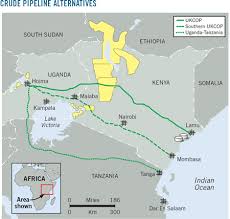
Alternative Route Map: Which will it be?
The French- Oil Major, Total SPA, has finally been allowed to buy the 25 percent stake held by Maersk Oil exploration international in Lokichar oil fields in Kenya.
But to get the government’s nod, Total Spa had to “commit itself to the export of Kenyan oil through the Lokichar -Lamu oil Pipeline only.” That is a major retreat from Total’s position stated last August that it will lobby Kenya to evacuate her oil through the Tanzanian Port of Tanga.
Total SPA, remember, engineered Uganda’s change of mind to evacuate its oil through Tanzania. The shift, which tossed out of the window an earlier MOU between Kenya and Uganda to evacuate their crude through Lamu Port, soured diplomatic ties between Kenya and Tanzania.
The shift also caused a fall-out between Tullow Oil and Total SPA which ended with Total elbowing Tullow out of Hoima oil fields in Uganda. Given these circumstances in Kenya, Total was entering into an already toxic market.
It had to tread carefully in Kenya. Apart from the toxic relationship it had created, Kenya’s Oil Pipeline is an integral part of the Lamu Port- Ethiopia- South Sudan development corridor, LAPSSET. On that score alone Kenya would brook no compromises. Further, it had firm agreements in place. One, the Kenya government had already entered into a Joint venture agreement with the previous set of Oil explorers, which included, Tullow Oil, Africa Oil, and Maersk to build the oil Pipeline to the proposed Lamu Port.
Two, the JD had already contracted the feasibility study that involves the Front End Engineering Design-FEED. Three, Kenya’s contract with the explorers includes a clause that allows Kenya to acquire a 33 percent stake in the Oilfield once found to be commercially viable. In pursuit of this clause, Kenya is preparing to float the Kenya National Oil Corporation’s stake in Nairobi and London stock Exchanges to raise US$1 billion to buy the stake next year.
That means that Total SPA’s 25 percent stake will be diluted further to about 14 percent, leaving Tullow oil, which owns 50 percent stake and National Oil Corporation as the majority stakeholders. The purchase by Kenya National Oil Corporation makes it difficult for Total Spa to use its financial muscle to bulldoze its will.
Total’s sensitivity on the toxicity of the Kenyan market was demonstrated by the fact that, the CEO, Patrick Pouyanne, whose comments last August was deemed reckless, kept out of the meetings that won Kenya’s nod. Instead, they send Momar Nguer, the President for marketing and services to secure the agreement. Momar Nguer was for a long time the MD of Total oil Kenya.
Where does Total’s “commitment” to Lokichar- Lamu Pipeline leave the proposed Hoima-Tanga Pipeline? Hanging in the balance, analysts say. In Kenya, Total will share the cost of building the US2.1 billion pipeline with its partners in a deal that is already firmed. At the most, she will cough US$500 million.
In contrast, the company was to foot Lion’s share of the bill, if not all of it- a whopping US$3.5 billion- of the Hoima-Tanga Pipeline. Will Total SPA choose to cut its losses and turn to the original Hoima-Lokichar- Lamu route? Hoima in Uganda is 500 Km from Lokichar in Turkana county, Kenya.
To export Kenya’s Oil through Tanga would have meant building a 500Km pipeline westwards to Hoima from Lokichar basin, and abandoning the 880Km Lokichar-Lamu section. Following the same Logic, Uganda’s oil could also be exported from Hoima to Lamu and abandon the Hoima- Tanga section. Uganda, it must be noted, is only interested in exporting her oil at the least cost. Could a price-war between Tanzania and Kenya ensue? And can Tanzania win on this score? Tanzanian offered to charge Uganda US$12.20 per barrel transported through her territory. Can Kenya offer a better deal? That remains to be seen.
Despite assurances that the Hoima-Tanga Pipeline will not be affected by Total’s entry into the Kenya Oil sector, that sounds hollow. It looks like payback time for Tanzania. And Total engineered the second round of trouble for the Pipeline!
The deal itself was a misnomer. Total Oil has no interest in Tanzania at all having found no oil for its Licenses. The shift to the Tanzanian route so angered Tullow Oil, the firm that discovered oil in Uganda back in 2006, that she sold her stake to Total Spa. But the sale is not a done deal since Total has yet to pay the full US$900 million tag.
Will Tullow buy back its stake in Uganda? Perhaps. Times have changed. Tullow is no longer fighting for survival. Rising Oil prices have made it possible for her to borrow. So far she has secured a US$2.25 billion war chest to fund further exploration.
Two, Tullow will stake a claim on 50 percent of the US$ 1 billion Kenya will pay for a piece of the pie in Lokichar Oilfields. And even if they share equally at 33 percent, Tullow’s war chest will still be enough to power her way back into Uganda. If she does, say analysts, she will force a return to the original plan to evacuate Hoima-Oil through Lokichar in Kenya to Lamu port.
The prospects for the Hoima-Tanga pipeline no longer look bright. A cloud is building on the horizon, which could condemn it. A school of thought has it that Total can still salvage the Hoima- Tanga Pipeline by completing the Kenya deal, the shop for a buyer of its stake and stick with Hoima Oil Fields where she is a majority stakeholder
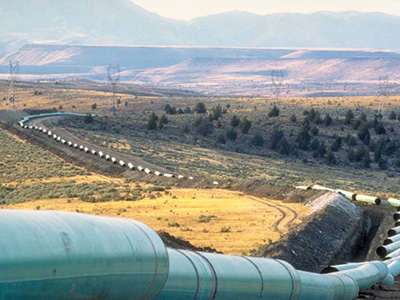
An Oil Pipeline under construction
. Whether that works remains to be seen.
In the meantime, the Kenya-Tanzania diplomatic relations will continue to be frosty. If there is a second change of heart which favours Kenya, the relations could get worse.
Tanzania has lost once before to Kenya on a mega-infrastructure project, the SGR project. Despite her spirited efforts to lobby Uganda away from Northern Corridor to Central Corridor, business dictats overruled the political dalliance. Technical evaluation of the proposal to shift Uganda’s SGR to Central Corridor through the Dar-Salaam Port found it unviable.
Will another technical evaluation find the Hoima- Tanga Pipeline also unviable? We cross our fingers. Should that happen, it will be President Magufuli’s lowest moment.
Posted by Musyoka wa Kyendo at 08:19
A good analysis...let the time tell
Will Total's entry into Kenya Kill Hoima-Tanga Line?
Alternative Route Map: Which will it be?
The French- Oil Major, Total SPA, has finally been allowed to buy the 25 percent stake held by Maersk Oil exploration international in Lokichar oil fields in Kenya.
But to get the government’s nod, Total Spa had to “commit itself to the export of Kenyan oil through the Lokichar -Lamu oil Pipeline only.” That is a major retreat from Total’s position stated last August that it will lobby Kenya to evacuate her oil through the Tanzanian Port of Tanga.
Total SPA, remember, engineered Uganda’s change of mind to evacuate its oil through Tanzania. The shift, which tossed out of the window an earlier MOU between Kenya and Uganda to evacuate their crude through Lamu Port, soured diplomatic ties between Kenya and Tanzania.
The shift also caused a fall-out between Tullow Oil and Total SPA which ended with Total elbowing Tullow out of Hoima oil fields in Uganda. Given these circumstances in Kenya, Total was entering into an already toxic market.
It had to tread carefully in Kenya. Apart from the toxic relationship it had created, Kenya’s Oil Pipeline is an integral part of the Lamu Port- Ethiopia- South Sudan development corridor, LAPSSET. On that score alone Kenya would brook no compromises. Further, it had firm agreements in place. One, the Kenya government had already entered into a Joint venture agreement with the previous set of Oil explorers, which included, Tullow Oil, Africa Oil, and Maersk to build the oil Pipeline to the proposed Lamu Port.
Two, the JD had already contracted the feasibility study that involves the Front End Engineering Design-FEED. Three, Kenya’s contract with the explorers includes a clause that allows Kenya to acquire a 33 percent stake in the Oilfield once found to be commercially viable. In pursuit of this clause, Kenya is preparing to float the Kenya National Oil Corporation’s stake in Nairobi and London stock Exchanges to raise US$1 billion to buy the stake next year.
That means that Total SPA’s 25 percent stake will be diluted further to about 14 percent, leaving Tullow oil, which owns 50 percent stake and National Oil Corporation as the majority stakeholders. The purchase by Kenya National Oil Corporation makes it difficult for Total Spa to use its financial muscle to bulldoze its will.
Total’s sensitivity on the toxicity of the Kenyan market was demonstrated by the fact that, the CEO, Patrick Pouyanne, whose comments last August was deemed reckless, kept out of the meetings that won Kenya’s nod. Instead, they send Momar Nguer, the President for marketing and services to secure the agreement. Momar Nguer was for a long time the MD of Total oil Kenya.
Where does Total’s “commitment” to Lokichar- Lamu Pipeline leave the proposed Hoima-Tanga Pipeline? Hanging in the balance, analysts say. In Kenya, Total will share the cost of building the US2.1 billion pipeline with its partners in a deal that is already firmed. At the most, she will cough US$500 million.
In contrast, the company was to foot Lion’s share of the bill, if not all of it- a whopping US$3.5 billion- of the Hoima-Tanga Pipeline. Will Total SPA choose to cut its losses and turn to the original Hoima-Lokichar- Lamu route? Hoima in Uganda is 500 Km from Lokichar in Turkana county, Kenya.
To export Kenya’s Oil through Tanga would have meant building a 500Km pipeline westwards to Hoima from Lokichar basin, and abandoning the 880Km Lokichar-Lamu section. Following the same Logic, Uganda’s oil could also be exported from Hoima to Lamu and abandon the Hoima- Tanga section. Uganda, it must be noted, is only interested in exporting her oil at the least cost. Could a price-war between Tanzania and Kenya ensue? And can Tanzania win on this score? Tanzanian offered to charge Uganda US$12.20 per barrel transported through her territory. Can Kenya offer a better deal? That remains to be seen.
Despite assurances that the Hoima-Tanga Pipeline will not be affected by Total’s entry into the Kenya Oil sector, that sounds hollow. It looks like payback time for Tanzania. And Total engineered the second round of trouble for the Pipeline!
The deal itself was a misnomer. Total Oil has no interest in Tanzania at all having found no oil for its Licenses. The shift to the Tanzanian route so angered Tullow Oil, the firm that discovered oil in Uganda back in 2006, that she sold her stake to Total Spa. But the sale is not a done deal since Total has yet to pay the full US$900 million tag.
Will Tullow buy back its stake in Uganda? Perhaps. Times have changed. Tullow is no longer fighting for survival. Rising Oil prices have made it possible for her to borrow. So far she has secured a US$2.25 billion war chest to fund further exploration.
Two, Tullow will stake a claim on 50 percent of the US$ 1 billion Kenya will pay for a piece of the pie in Lokichar Oilfields. And even if they share equally at 33 percent, Tullow’s war chest will still be enough to power her way back into Uganda. If she does, say analysts, she will force a return to the original plan to evacuate Hoima-Oil through Lokichar in Kenya to Lamu port.
The prospects for the Hoima-Tanga pipeline no longer look bright. A cloud is building on the horizon, which could condemn it. A school of thought has it that Total can still salvage the Hoima- Tanga Pipeline by completing the Kenya deal, the shop for a buyer of its stake and stick with Hoima Oil Fields where she is a majority stakeholder
An Oil Pipeline under construction
. Whether that works remains to be seen.
In the meantime, the Kenya-Tanzania diplomatic relations will continue to be frosty. If there is a second change of heart which favours Kenya, the relations could get worse.
Tanzania has lost once before to Kenya on a mega-infrastructure project, the SGR project. Despite her spirited efforts to lobby Uganda away from Northern Corridor to Central Corridor, business dictats overruled the political dalliance. Technical evaluation of the proposal to shift Uganda’s SGR to Central Corridor through the Dar-Salaam Port found it unviable.
Will another technical evaluation find the Hoima- Tanga Pipeline also unviable? We cross our fingers. Should that happen, it will be President Magufuli’s lowest moment.
Posted by Musyoka wa Kyendo at 08:19

[emoji23] [emoji23] [emoji23] [emoji23] [emoji23] [emoji23] [emoji23] [emoji23]Pwagu kapata pwaguzi! At last Total SPA has come back to its senses. The Hoima-Lokichar-Lamu route is the most viable one due to the combined Uganda and Kenya oil load.
Thanks for the Japanese assistance without them it could be difficult to launch it

nyanja zoteTaja nyanja mlizotupita
Umekosea ungetajaa, njaa, tribalism, corruption, insecurity, police killings, unemployment, poverty, National debts, gap between rich and poor..... mbona zipo nyingi sana.nyanja zote
Tanzania nawaona mbali sanaa
I think this competition should stop, we should not be competing with economic dwarfs. Know your rank, level and your friends. Let us dedicate our battle to other worth noting countries
The Africa Infrastructure Development Index (AIDI), produced by the African Development Bank also ranks infrastructure developments across the continent based on four main components: transport, electricity, ICT, and water and sanitation.
These components are disaggregated into nine indicators that have a direct or indirect impact on productivity and economic growth.
There is a wide variation among African countries in their infrastructure gap, with a range of more than 90 percent between the country at the top of having good infrastructure (Seychelles) and the country at the bottom (Somalia).
View attachment 683635


