President of China
JF-Expert Member
- Dec 6, 2018
- 34,631
- 94,237
Mkiacha kufa na njaa please tag me.Malls show the middle class inhabitants purchasing power?
There is no developed city without a mall come on!
Mkiacha kufa na njaa please tag me.Malls show the middle class inhabitants purchasing power?
There is no developed city without a mall come on!

Bila Malls ndio kunakuwa hakuna middle Class? Ukipita barabarani na Mitaani huyaoni magari?Malls show the middle class inhabitants purchasing power?
There is no developed city without a mall come on!
Nairobi ilijaa kitambo sana, sikuzi tunaongelea Nairobi Metropolitan Area.manispaa za dar es salaam na ukubwa wake
kigamboni=578.3 km2
ilala=364.9 km2
kinondoni=269.5 km2
temeke=150.4 km2
ubungo=269.4 km2
sasa kuangalia tu ukubwa wa dar es salaam , Nairobi inaingia mara mbili kwa dar .
hata hivyo km 20 toka Nairobi cbd unakutana na mapori tu
Watu walipata elevator juzi wanajua nini kuhusu malls.Are there malls in mbeya? Estates?


still yetu hata ukichukua hayo maeneo yote bado hayawezi fikia dar. nikukumbushe tu bagamoyo, and the like sio dar, pia kumbuka 117.21 km2 kuna nairobi national park, kwahiyo nairobi nzima inalingana na kigamboni tu au ukichukua kinondoni na ilala tu kwa dar unakuwa umemaliza nairobi nzima. sasa ukichukua majengo yaliyojengwa kinondoni temeke, kigamboni na ilala kwa magorofa tu utakuta nairobi hata sehemu ya kuweka miguu hakuna na bado tutahamishia athi river na pasitosheNairobi ilijaa kitambo sana, sikuzi tunaongelea Nairobi Metropolitan Area.
Malls show the middle class inhabitants purchasing power?
There is no developed city without a mall come on!

Bila mall hakuna middle class hence no cityBila Malls ndio kunakuwa hakuna middle Class? Ukipita barabarani na Mitaani huyaoni magari?
Kibera inaingilia wapi Nakuru vs Mbeya?Kibera Facts & Information
There are approximatly 2.5 million slum dwellers in about 200 settlements in Nairobi representing 60% of the Nairobi population and occupying just 6% of the land. Kibera houses about 250,000 of these people. Kibera is the biggest slum in Africa and one of the biggest in the world.
Land Ownership
The Government owns all the land. 10% of people are shack owners and many of these people own many other shacks and let them out to tenants. The remaining 90% of residents are tenants with no rights.
Housing
The average size of shack in this area is 12ft x 12ft built with mud walls, a corrugated tin roof with a dirt or concrete floor. The cost is about KES 700 per Month (£6). These shacks often house up to 8 or more with many sleeping on the floor.
The population
The original settlers were the Nubian people from the Kenyan/Sudanese border – they now occupy about 15% of Kibera, are mostly Muslim and are also mostly shack owners. The other shack owners are mostly Kikuyu (the majority tribe in Nairobi) – although in most cases they do not live there but are absentee landlords. The majority of the tenants are Luo, Luhya and some Kamba – these people are from the west of Kenya. There are many tensions in Kibera, particularly tribal tensions between the Luo & Kikuyu, but also between landlord and tenant and those with and without jobs.
Electricity
Only about 20% of Kibera has electricity. UN-Habitat is in the process of providing it to some parts of Kibera – this will include street lighting, security lighting and connection to shacks (this costs KES 900 per shack, which in most cases is not affordable).
Water
Until recently Kibera had no water and it had to be collected from the Nairobi dam. The dam water is not clean and causes typhoid and cholera. Now there are two mains water pipes into Kibera, one from the municipal council and one from the World Bank. Residents collect water at KES 3 per 20 litres.
Sewage
In most of Kibera there are no toilet facilities. One latrine (hole in the ground) is shared by up to 50 shacks. Once full, young boys are employed to empty the latrine and they take the contents to the river. UN-Habitat and a few other agencies are trying to help and improve this situation but it is painfully slow.
Medical facilities and HIV/AIDS Clinics
In Kibera there are no government clinics or hospitals. The providers are the charitable organisations: AMREF, MSF, churches plus some others. They do a great job. All people are encouraged to have a free HIV test and if positive to take free generic ARV medicine.
Changaa
This is cheap alcoholic brew. It is widely available, very strong (over 50% alcohol) and made incorrectly, so is usually very high in Methanol. The cost is only KES 10 per glass and after a couple of glasses people become very drunk. With over 50% unemployment in Kibera many start drinking early in the morning leading to problems of violence, crime, rapes etc. Several charities are trying to help by showing the Changaa makers how to make the drink less dangerous.
Drugs
Cheap drugs and glue sniffing are an increasing problem. Initially taken to alleviate boredom but then people find themselves hooked. A big challenge to the charities!
Abortion
Due to many men still not using condoms and the availability of Changaa, many girls become pregnant, at any one time about 50% of 16 to 25 yr old girls are pregnant. Most of these pregnancies are unwanted, resulting in many cases of abortion. This can be very dangerous, particularly in such a poor area as Kibera. Many charities are working on this problem.
Unemployment
Kibera is near the industrial area of Nairobi where up to 50% of the available workforce are employed (usually in fairly unskilled jobs). However, there is still an unemployment rate of 50%. This is why the training and teaching of skills is very important.
Sport
Most young people in Kibera have nothing to do, obviously it is better for them to have the opportunity to take part in sport and several organisations are working on this.
Nairobi Slum Survey
The African Population and Health Research Center (APHRC) produced a report which provides many different statistics relating to the slums of Nairobi, including facts about Kibera. You can download the 212 page here:
* ‘Report of the Nairobi Cross-sectional Slums Survey‘
hivi hawa watu hata hizo malls wanazijua
Kweli Mbeya ni kijiji tuWatu walipata elevator juzi wanajua nini kuhusu malls.
proper city haitakiwi iwe na idadi nyingi ya slums kuliko nchi zote za africa. kukumbusha tu nairobi ina eneo la 696.1 km2, ukitoa 117km2 za nairobi national park mnabaki na almost 579km2 ambapo ndani yake kuna slums zaidi ya 10 na 2.5mil kati ya watu 4.8mil ni almost 55% ya wakazi hawana makazi na hawawezi kuingia kwa hizo malls zenu,Bila mall hakuna middle class hence no city
Nletee proper city imeendelea bila shopping malls
Na city yenye slums kila kona tuiweke kwenye category gani? Au people are living in slums and do shopping kwenye malls 😁Bila mall hakuna middle class hence no city
Nletee proper city imeendelea bila shopping malls
so does this make Mbeya better than Nakuru?proper city haitakiwi iwe na idadi nyingi ya slums kuliko nchi zote za africa. kukumbusha tu nairobi ina eneo la 696.1 km2, ukitoa 117km2 za nairobi national park mnabaki na almost 579km2 ambapo ndani yake kuna slums zaidi ya 10 na 2.5mil kati ya watu 4.8mil ni almost 55% ya wakazi hawana makazi na hawawezi kuingia kwa hizo malls zenu,
kwanza humu tukiwa tunajadiri tuwe tunaangalia na uchumi wa mji. haiwezekani tunajadiliana maendeleo ya kimji ambacho kinaingia robo ya uchumi wa Nairobi hapo ukiwa umeongeza na hifadhi. yaan size ya uchumi aa Dar ni Kibera na Mathare tu, Uchumi wa Mwanza ni kama Korogocho slum, na hizo nyingine tano bora wapeni Eastleigh tukwanza humu tukiwa tunajadiri tuwe tunaangalia na ukubwa wa mji. haiwezekani tunajadiliana maendeleo ya kimjiambacho kinaingia mara tatu ya dar es salaam hapo ukiwa umeongeza na hifadhi. yaan size ya nairobi ni ilala na kinondoni tu, mombasa ni ubungo , na hizo nyingine tano bora wapeni kigambon tu
pamoja na kuwa huo uchumi ila still yetu mna unplanned au mnaongoza kwa kuwa n slums nyingi dunia nzima. kubali the size of kenyan economy ni mdogo sana na unategemea sana udalali tukwanza humu tukiwa tunajadiri tuwe tunaangalia na uchumi wa mji. haiwezekani tunajadiliana maendeleo ya kimji ambacho kinaingia robo ya uchumi wa Nairobi hapo ukiwa umeongeza na hifadhi. yaan size ya uchumi aa Dar ni Kibera na Mathare tu, Uchumi wa Mwanza ni kama Korogocho slum, na hizo nyingine tano bora wapeni Eastleigh tu
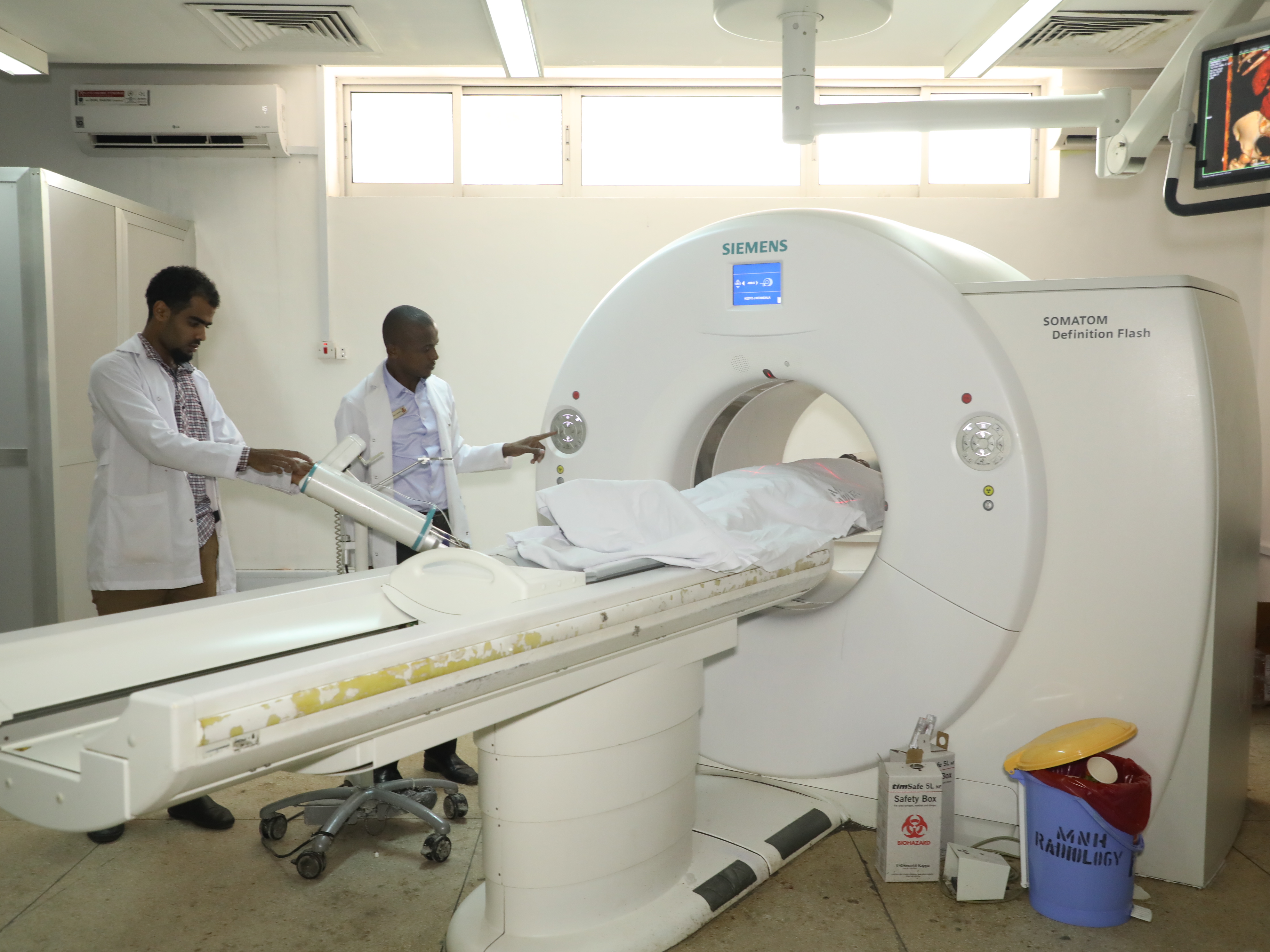
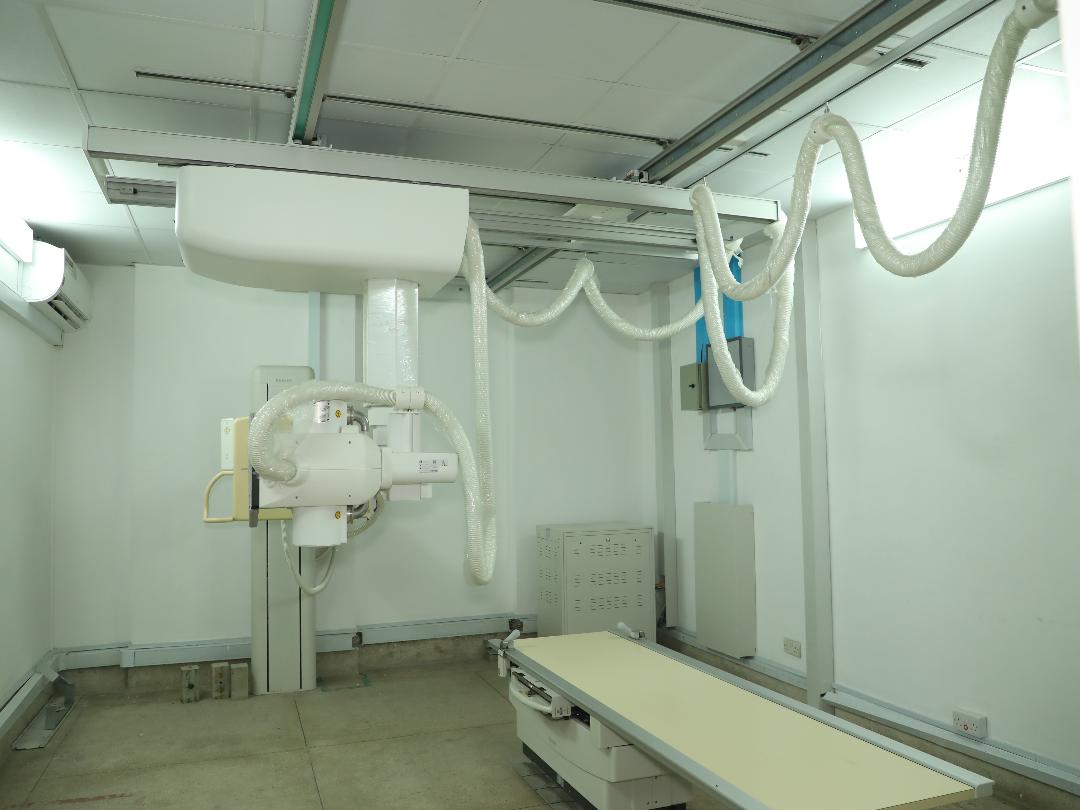 Mitambo ya kisasa iliyopo katika hospitali za hapa nchini ambapo wananchi wa mataifa jirani ikiwemo Kenya hufika na kupata huduma kama inavyoonekana katika picha.