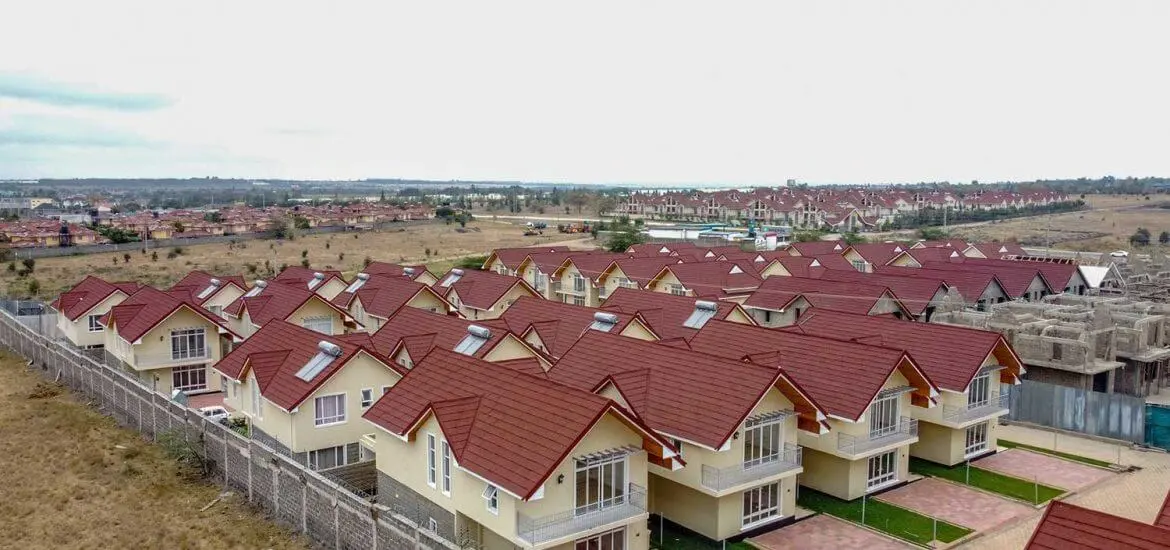
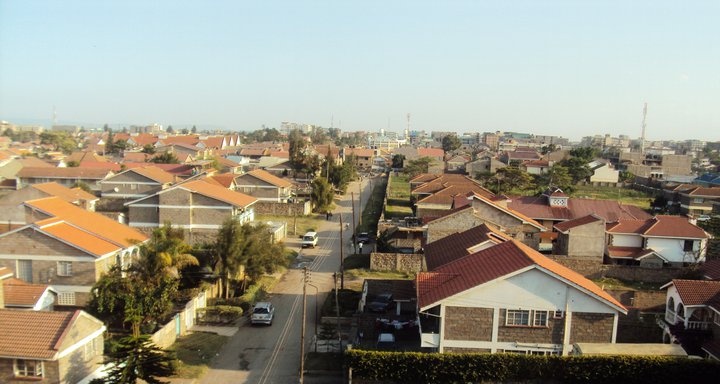
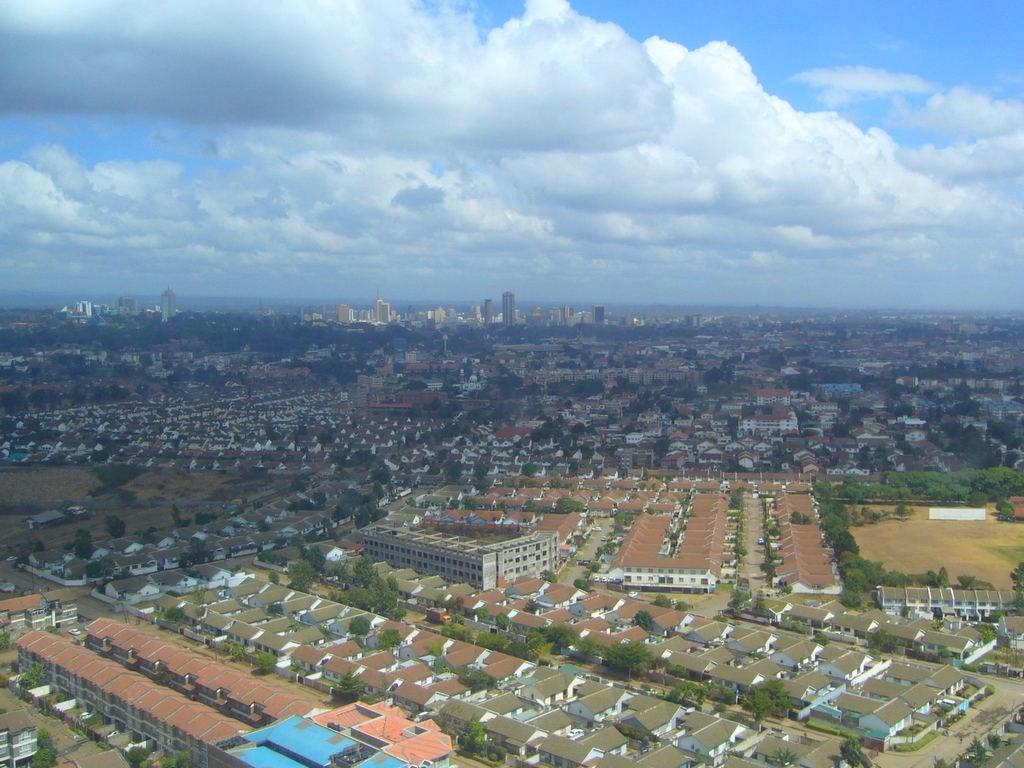
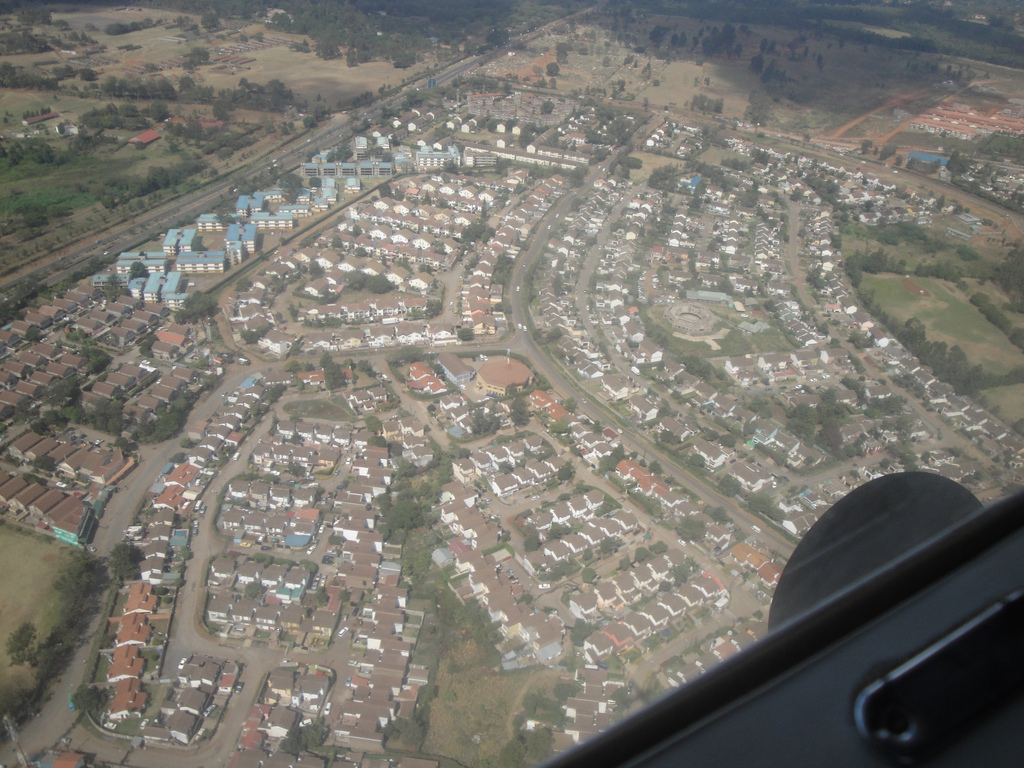
Owning houses is not an excuse for dar is a slum kua na 70% slums. Blame your surveyors and urban planners.
List of known slums in the world hii hapa hakuna hata Moja Tanzania , hamko level zetu hata mlazimishe kivipi🤣🤣🤣🤣
The World's Largest Slums:
Dharavi, Kibera, Khayelitsha & Neza
While the number of people living the five biggest slums in the world amounts to 5.7 million, this is only just a drop in the ocean.
Today, by the most conservative estimates, about 900 million
people live in slums. But most experts agree that including different types of informal settlements, the number goes up to 1.6 billion – which represents 1/4 of the world’s urban population.
By 2030, it’s estimated that it 1 in 4 people on the planet will live in a slum or other informal settlement. Let’s take a tour of the
world’s biggest slums:
- Khayelitsha in Cape Town (South Africa): 400,000
- Kibera in Nairobi (Kenya): 700,000
- Dharavi in Mumbai (India): 1,000,000
- Neza (Mexico): 1,200,000
- Orangi Town in Karachi (Pakistan): 2,400,000
Due to population growth and the migration trend from rural areas to cities,
these slums are clearly here to stay.
How to tackle the growth of the world’s biggest slums
That’s why we work every day to rehabilitate slums around the world, turning
unhealthy shelters into safe, decent homes for the most vulnerable families. But rather than deciding what their needs are, it’s always crucial to talk to communities first. So, what do residents of the world’s biggest slums need to improve their lives?
Water & sanitation
In the Khayelitsha slum of Cape Town, one toilet is shared by five families on average. Most people use open fields or bushes to do their business, which contributes to the spread of diseases like cholera within communities. It’s also the best place for criminals to attack.
“We couldn’t even walk down the road, the sewage was everywhere” (slum resident)
In Orangi Town, Karachi, slum dwellers have taken control of their own sanitation. A slum resident explains how they “all got together to lay this sewer line on a self-help basis. There’s no filth on the roads, that’s a huge improvement.”
More and better jobs
For the first time in history, more people live in cities than in rural areas.
“The urban poor in our cities are the engines of the economy.”
They usually move to larger cities looking for jobs, or any way to earn a living. In the slum of Dharavi, Mumbai, children from rural areas as young as 10 receive training for their new work, collecting and recycling waste.
With their small business, slum dwellers generate an annual turnover of about $1 billion in the Dharavi slum alone.
The need for schools
In Kibera slum, Nairobi, only a quarter of students attend formal schools.
“Security-wise we provide for these kids. For 90% of them, this is their meal, what they eat from here. They regard this school as part of their home, or even shelter.”
A new major road planned by the government threatens to demolish this resident-run school in Kibera.
Sign up to follow the impact of our work and receive inspirational stories of strength and resilience, straight in your inbox
Sign-up
Property rights: reforming land rights
Most people living in informal settlements worldwide do not have
security of tenure or land rights.
“There was no evidence of ownership like a land title. We slum dwellers should be considered before being evicted.”
In Neza, Mexico, the community has banded together to
fight for land rights and better housing.
“A lot of people have corrugated roofs, and it gets extremely hot here, they live in deplorable conditions. We are putting in cement, helping people to live in better conditions: proper walls, no leaks when it rains, no stagnant water, etc.”
The U.N. says it’s time for governments and developers to step up and join forces with the urban poor to
build sustainable cities.
This post was produced with the financial support of the European Union. Its contents are the sole responsibility of Habitat for Humanity GB and do not necessarily reflect the views of the European Union.
Take Action

Sign up to our newsletter to be the first to know when we publish new stories and appeals.

Give today to help us build safe and decent homes to the most vulnerable families worldwide.

Join one of our volunteer trips abroad to help with renovations and rebuilding projects.
Related

Donate Now When disaster struck her neighbourhood in Dhaka,…

Donate Now For Sumi, protecting her community isn’t a…

Nita Shinde lives in Khed, Pune district, Maharashtra, with her…
Comments
Sign up to our e-newsletter
Follow the impact of our work, building homes for vulnerable families working hard to escape poverty.
Sign up now
Contact Us |
Privacy Policy |
Vacancies |
What We Do |
Who We Are |
Media Enquiries
Registered Charity No: 1043641 (England & Wales) & SC048638 (Scotland). Registered Company No: 3012626
© 2017 Habitat for Humanity® Great Britain. All rights reserved. “Habitat for Humanity” is a registered service mark owned by Habitat for Humanity International.
We use cookies to improve your web experience. By continuing