The Evil Genius
JF-Expert Member
- Mar 21, 2014
- 6,151
- 20,065
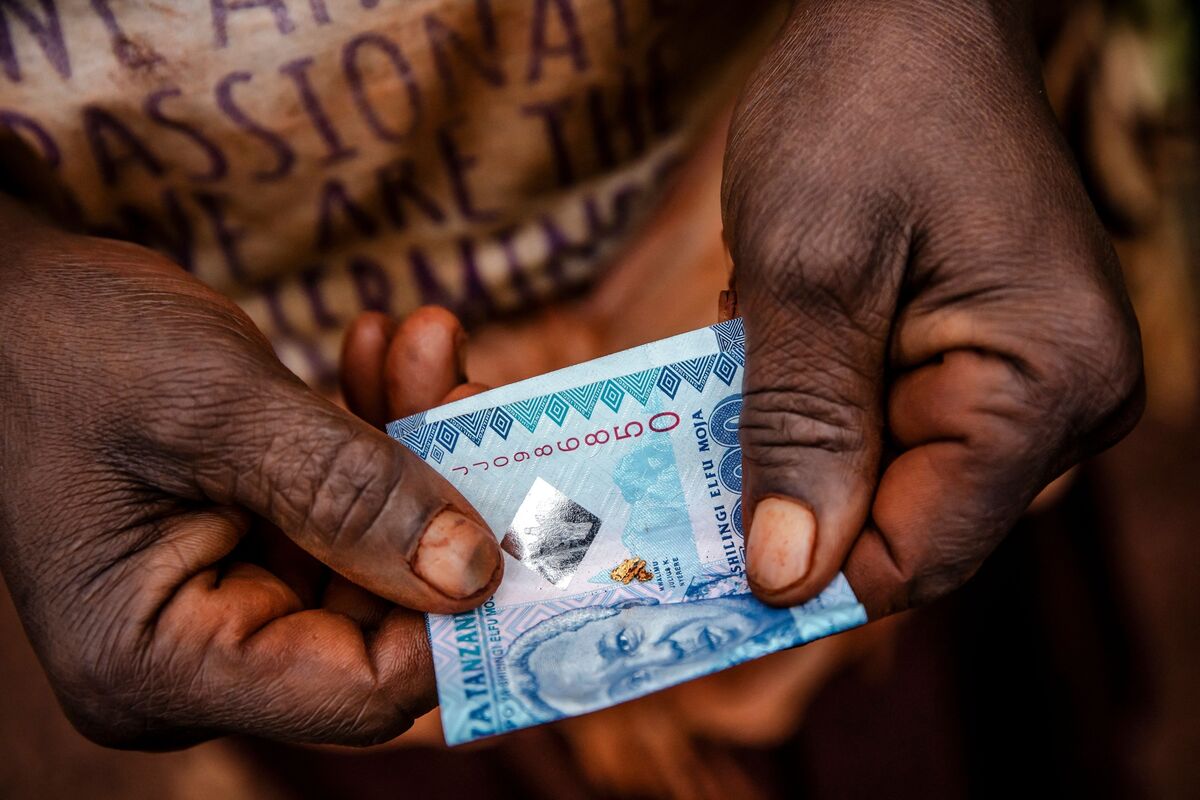
Shilingi ya Tanzania ama TZS kwa kifupicho chake rasmi imetajwa kama fedha iliyofanya vibaya zaidi kwa mwaka huu wa 2025 hadi sasa kuliko fedha yoyote Duniani.
 Shilingi ya Tanzania imeshuka thamani kwa zaidi ya 8.9% dhidi ya Dola ya kimarekani toka mwaka huu uanze. Hii ni rekodi ya Dunia kwani hakuna fedha nyingine yoyote Duniani iliyoshuka thamani kwa kiwango hicho.
Sababu ya kushuka thamani ni kuongezeka kwa uagizaji wa bidhaa nje ama imports kunakochangia kuongezeka zaidi kwa mahitaji ya Dollar ya Marekani kwa wafanyabishara ili waweze kugharamia manunuzi ya nje
 Wataalamu wanasema hali ikiendelea kua hivi basi shilingi ya Tanzania itajinyakulia taji la The Worst Perfoming Currency in The World
Chanzo: bloomberg.com
===
Tanzania is one of Africa's fastest-growing economies, but it may be some time before the local currency benefits.
The shilling has weakened 8.9% this year as of Tuesday, making it the world's worst-performing currency. That's as imports and public debt are rising for infrastructure investments that are helping to stoke gross domestic product growth projected at 6% this year. The shilling may see more declines before it recovers.
The shilling has weakened 8.9% this year as of Tuesday, making it the world’s worst-performing currency. That’s as imports and public debt are rising for infrastructure investments that are helping to stoke gross domestic product growth projected at 6% this year. The shilling may see more declines before it recovers.
A widening current-account deficit and potential liquidity constraints, which Tanzania often experiences at the start of the year, are putting pressure on the shilling in the short term, said Shani Smit-Lengton, a senior economist at Oxford Economics Africa. Still, the infrastructure spending will pay off in the long run, she said.
“As long as the government ensures efficient implementation of the projects and keeps debt at a sustainable level, these projects should yield positive results and strengthen the shilling,” Smit-Lengton said. “We expect these investments to deliver long-term returns.”
Tanzania is ramping up spending on projects including a deep-water container port at Bagamoyo, near Dar es Salaam. India’s Adani Ports and Special Economic Zone Ltd. won the concession to operate the harbor.
Other projects include the 1,443-kilometer (897-mile), $5 billion East African Crude Oil Pipeline that will transport crude from fields in landlocked Uganda to Tanzania’s port of Tanga. The Export-Import Bank of China, which lined up a number of lenders from the Asian nation, is backing the pipeline, set to start operating next year.
Tanzania already produces natural gas, which it uses to generate electricity, and plans a $42 billion liquefied natural gas facility to be built by a consortium comprising Shell Plc, Equinor ASA and Exxon Mobil Corp.
While those investments and others are expected to boost economic growth in the long term, they’re fueling the import and debt boom that’s weighing on the shilling.
Imports of goods and services rose 5% in the year through January to $16.9 billion, according to the Bank of Tanzania. That was driven by increases in purchases of industrial supplies and transport equipment, reflecting higher activity in the manufacturing, construction, and transportation sectors, the central bank said in its monthly economic review.
Sababu ya kushuka thamani ni kuongezeka kwa uagizaji wa bidhaa nje ama imports kunakochangia kuongezeka zaidi kwa mahitaji ya Dollar ya Marekani kwa wafanyabishara ili waweze kugharamia manunuzi ya nje
Chanzo: bloomberg.com
===
Tanzania is one of Africa's fastest-growing economies, but it may be some time before the local currency benefits.
The shilling has weakened 8.9% this year as of Tuesday, making it the world's worst-performing currency. That's as imports and public debt are rising for infrastructure investments that are helping to stoke gross domestic product growth projected at 6% this year. The shilling may see more declines before it recovers.
The shilling has weakened 8.9% this year as of Tuesday, making it the world’s worst-performing currency. That’s as imports and public debt are rising for infrastructure investments that are helping to stoke gross domestic product growth projected at 6% this year. The shilling may see more declines before it recovers.
A widening current-account deficit and potential liquidity constraints, which Tanzania often experiences at the start of the year, are putting pressure on the shilling in the short term, said Shani Smit-Lengton, a senior economist at Oxford Economics Africa. Still, the infrastructure spending will pay off in the long run, she said.
“As long as the government ensures efficient implementation of the projects and keeps debt at a sustainable level, these projects should yield positive results and strengthen the shilling,” Smit-Lengton said. “We expect these investments to deliver long-term returns.”
Tanzania is ramping up spending on projects including a deep-water container port at Bagamoyo, near Dar es Salaam. India’s Adani Ports and Special Economic Zone Ltd. won the concession to operate the harbor.
Other projects include the 1,443-kilometer (897-mile), $5 billion East African Crude Oil Pipeline that will transport crude from fields in landlocked Uganda to Tanzania’s port of Tanga. The Export-Import Bank of China, which lined up a number of lenders from the Asian nation, is backing the pipeline, set to start operating next year.
Tanzania already produces natural gas, which it uses to generate electricity, and plans a $42 billion liquefied natural gas facility to be built by a consortium comprising Shell Plc, Equinor ASA and Exxon Mobil Corp.
While those investments and others are expected to boost economic growth in the long term, they’re fueling the import and debt boom that’s weighing on the shilling.
Imports of goods and services rose 5% in the year through January to $16.9 billion, according to the Bank of Tanzania. That was driven by increases in purchases of industrial supplies and transport equipment, reflecting higher activity in the manufacturing, construction, and transportation sectors, the central bank said in its monthly economic review.