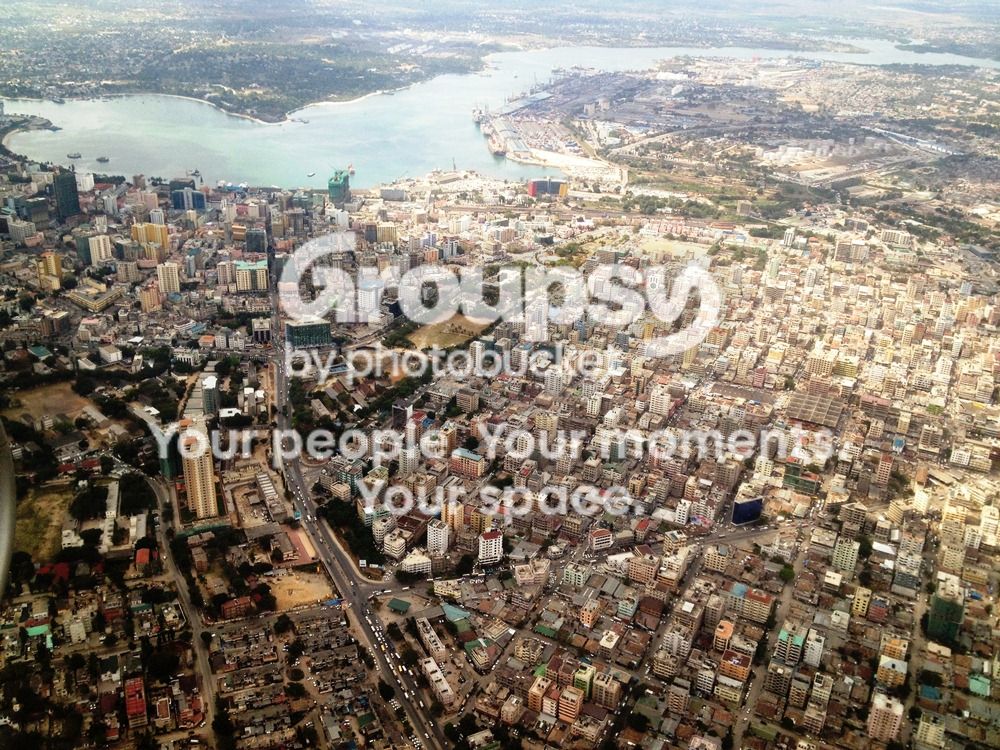
Dar es Salaam Tanzania has one of the third largest slum growth rates in the whole of Africa. Slums that develop in Tanzania's cities to travel to are over 6% in a year’s time. The population of the people in those slums is also rated as the sixth in the whole Africa region.
It is also fascinating to learn that Tanzania has over six million of its people living in the slums and 67% of this 6 million people live in the urban centres like Dar es Salaam. Reports, especially, from the UN estimates that, 92% of the people living in Tanzania’s urban centres are actually slum dwellers.
These sums up to more than 11 million people, which now brings in the aspect of Tanzania being the third largest slum population in the whole of Africa. This is normally caused by frequent government evictions that end up leaving tens of thousands of people homeless and in unimaginable poverty. You will learn this and many more from slum tours in Dar es Salaam Tanzania.
Examples of slum tours in Dar es Salaam Tanzania
Slum tours in Dar es Salaam Tanzania are plenty, bearing in mind that many tourists come in Tanzania for missionary issues, support work and various aid programs.
For instance: Mwenge Woodcarvers is a local Market place in Tanzania that is located in one of the slum areas. It is encompassed with various skilled craftsmen that live in abject poverty. And you will be in a position to experience true aspects of the slum life in Tanzania and the kinds of activities they involve themselves in order to provide for their families.
This is an essential part of Dar es Salaam where investors can delve in. There are other slum tours that various hotels and restaurants amid
tours and travel agency organize for their visitors,
this are like:
Temeke,
Dodoma,
Ilala,
Kiondoni,
Moshi,
Mtoni,
Taundika,
Mbagala,
Kijichi,
Kariokor, among many more
Hio kibera tu sijagusa korogocho,kariobangi,mathare etc hhehheeheh
Kibera Facts & Information
There are approximatly 2.5 million slum dwellers in about 200 settlements in Nairobi representing 60% of the Nairobi population and occupying just 6% of the land. Kibera houses about 250,000 of these people. Kibera is the biggest slum in Africa and one of the biggest in the world.
Land Ownership
The Government owns all the land. 10% of people are shack owners and many of these people own many other shacks and let them out to tenants. The remaining 90% of residents are tenants with no rights.
Housing
The average size of shack in this area is 12ft x 12ft built with mud walls, a corrugated tin roof with a dirt or concrete floor. The cost is about KES 700 per Month (£6). These shacks often house up to 8 or more with many sleeping on the floor.
The population
The original settlers were the Nubian people from the Kenyan/Sudanese border – they now occupy about 15% of Kibera, are mostly Muslim and are also mostly shack owners. The other shack owners are mostly Kikuyu (the majority tribe in Nairobi) – although in most cases they do not live there but are absentee landlords. The majority of the tenants are Luo, Luhya and some Kamba – these people are from the west of Kenya. There are many tensions in Kibera, particularly tribal tensions between the Luo & Kikuyu, but also between landlord and tenant and those with and without jobs.
Electricity
Only about 20% of Kibera has electricity. UN-Habitat is in the process of providing it to some parts of Kibera – this will include street lighting, security lighting and connection to shacks (this costs KES 900 per shack, which in most cases is not affordable).
Water
Until recently Kibera had no water and it had to be collected from the Nairobi dam. The dam water is not clean and causes typhoid and cholera. Now there are two mains water pipes into Kibera, one from the municipal council and one from the World Bank. Residents collect water at KES 3 per 20 litres.
Sewage
In most of Kibera there are no toilet facilities. One latrine (hole in the ground) is shared by up to 50 shacks. Once full, young boys are employed to empty the latrine and they take the contents to the river. UN-Habitat and a few other agencies are trying to help and improve this situation but it is painfully slow.
Medical facilities and HIV/AIDS Clinics
In Kibera there are no government clinics or hospitals. The providers are the charitable organisations: AMREF, MSF, churches plus some others. They do a great job. All people are encouraged to have a free HIV test and if positive to take free generic ARV medicine.
Changaa
This is cheap alcoholic brew. It is widely available, very strong (over 50% alcohol) and made incorrectly, so is usually very high in Methanol. The cost is only KES 10 per glass and after a couple of glasses people become very drunk. With over 50% unemployment in Kibera many start drinking early in the morning leading to problems of violence, crime, rapes etc. Several charities are trying to help by showing the Changaa makers how to make the drink less dangerous.
Drugs
Cheap drugs and glue sniffing are an increasing problem. Initially taken to alleviate boredom but then people find themselves hooked. A big challenge to the charities!
Abortion
Due to many men still not using condoms and the availability of Changaa, many girls become pregnant, at any one time about 50% of 16 to 25 yr old girls are pregnant. Most of these pregnancies are unwanted, resulting in many cases of abortion. This can be very dangerous, particularly in such a poor area as Kibera. Many charities are working on this problem.
Unemployment
Kibera is near the industrial area of Nairobi where up to 50% of the available workforce are employed (usually in fairly unskilled jobs). However, there is still an unemployment rate of 50%. This is why the training and teaching of skills is very important.
Sport
Most young people in Kibera have nothing to do, obviously it is better for them to have the opportunity to take part in sport and several organisations are working on this.
Nairobi Slum Survey
The African Population and Health Research Center (APHRC) produced a report which provides many different statistics relating to the slums of Nairobi, including facts about Kibera. You can download the 212 page here:
* ‘
Report of the Nairobi Cross-sectional Slums Survey‘
SUMMARY FINDINGS
Kibera needs land/tenancy rights, housing, water, electricity, health clinics, education, employment, security plus much more. All these issues are being addressed to a lesser or greater extent by many organizations including the Churches, UN-Habitat, MSF and AMREF etc. Money is finding its way through from many international organizations including Gates Foundation, Bill Clinton Foundation, all the well known charities and of course the churches both in Africa and internationally. However, money cannot help without people to direct it – all the organizations require assistance. They all need intelligent, keen, willing, and compassionate people to help.
In the western world it has become common for many students to take a Gap Year out before or after university. More mature people are also now taking a year out, away from their everyday life. Many could work in Kibera where they would achieve a real sense of doing some good. Kibera is crying out for people to help.