Battle: Dar es Salaam vs Nairobi
You are using an out of date browser. It may not display this or other websites correctly.
You should upgrade or use an alternative browser.
You should upgrade or use an alternative browser.
Battle: Dar es Salaam vs Nairobi

COLLOH-MZII RELOADED
JF-Expert Member
- Apr 6, 2017
- 7,544
- 3,131
DODOMA, Tanzania – Many nonprofit organizations are mainly focused on improving the lives of poor Tanzanians living in rural areas. The rural population is usually considered to be the group most affected by disease, hunger, poverty and illiteracy. However, the situation for those living in urban areas is often just as dire.
Urban poverty in Tanzania is among the worst in Africa. More than six million Tanzanians live in urban slums and this number is increasing by an average of six percent every year. Tanzania currently has the third highest slum growth rate in Africa.
Conditions in Tanzania’s urban slums are often appalling. People often lack access to clean water and basics services like education, healthcare and sanitation facilities. Water and sanitation conditions in many slums have actually gotten worse in recent years. Water sources are often contaminated and sanitation facilities are usually shoddily built. Pit latrines, the most common form of sanitation in slums, usually collapse during the rainy season because of poor construction.
Health is a serious concern in urban slums. Diseases like malaria, typhoid and dengue fever are commonplace and access to medication is extremely limited. According to the World Health Organization, six percent of Tanzanians are infected with HIV/AIDS. This figure increases to 11 percent in urban areas. HIV infection rates are particularly bad in slums because people live in close proximity to one another, speeding up transmission. Also, people are often misinformed on how HIV is transmitted and access to contraceptives is limited.
All of Tanzania’s urban areas have high poverty rates, but the epicenter of the country’s urban poverty crisis is concentrated in Dar es Salaam. Dar es Salaam is the country’s largest city, with a population of five million. This figure is expected to reach eight million by 2020 as thousands of rural Tanzanians flock to the city every year in search of better employment opportunities.
The World Bank estimates that 70 percent of Dar es Salaam’s population lives in poor, unplanned settlements. About half of these residents live on less than $1 per day. A significant percentage of children living in these slums are chronically malnourished and most aren’t enrolled in school.
Infrastructure in Dar es Salaam is limited. Roads are often in poor condition, quality schools are hard to find and adequate medical facilities are virtually nonexistent. Citizens often blame the poor infrastructure on the government. Tanzanian lawmakers have a long track record of drafting promising policies only to fail when it comes to proper implementation.
Poverty in Dar es Salaam has become even worse in recent years because of climate change. Increased floods are washing away homes and mosques and widespread erosion is devastating the city’s coastline and causing widespread ecological problems. Weather-related problems are only expected to increase in Dar es Salaam in the coming years, making poverty in Tanzania even worse.
Partly due to the issues plaguing urban cities, the poverty reduction targets of the Millennium Development Goals will most likely not be met in Tanzania. The gap between rich and poor is increasing, gender inequality remains a pressing issue and poorest 10 percent of have seen their standards of living plummet during the last decade.
Urban poverty in Tanzania is among the worst in Africa. More than six million Tanzanians live in urban slums and this number is increasing by an average of six percent every year. Tanzania currently has the third highest slum growth rate in Africa.
Conditions in Tanzania’s urban slums are often appalling. People often lack access to clean water and basics services like education, healthcare and sanitation facilities. Water and sanitation conditions in many slums have actually gotten worse in recent years. Water sources are often contaminated and sanitation facilities are usually shoddily built. Pit latrines, the most common form of sanitation in slums, usually collapse during the rainy season because of poor construction.
Health is a serious concern in urban slums. Diseases like malaria, typhoid and dengue fever are commonplace and access to medication is extremely limited. According to the World Health Organization, six percent of Tanzanians are infected with HIV/AIDS. This figure increases to 11 percent in urban areas. HIV infection rates are particularly bad in slums because people live in close proximity to one another, speeding up transmission. Also, people are often misinformed on how HIV is transmitted and access to contraceptives is limited.
All of Tanzania’s urban areas have high poverty rates, but the epicenter of the country’s urban poverty crisis is concentrated in Dar es Salaam. Dar es Salaam is the country’s largest city, with a population of five million. This figure is expected to reach eight million by 2020 as thousands of rural Tanzanians flock to the city every year in search of better employment opportunities.
The World Bank estimates that 70 percent of Dar es Salaam’s population lives in poor, unplanned settlements. About half of these residents live on less than $1 per day. A significant percentage of children living in these slums are chronically malnourished and most aren’t enrolled in school.
Infrastructure in Dar es Salaam is limited. Roads are often in poor condition, quality schools are hard to find and adequate medical facilities are virtually nonexistent. Citizens often blame the poor infrastructure on the government. Tanzanian lawmakers have a long track record of drafting promising policies only to fail when it comes to proper implementation.
Poverty in Dar es Salaam has become even worse in recent years because of climate change. Increased floods are washing away homes and mosques and widespread erosion is devastating the city’s coastline and causing widespread ecological problems. Weather-related problems are only expected to increase in Dar es Salaam in the coming years, making poverty in Tanzania even worse.
Partly due to the issues plaguing urban cities, the poverty reduction targets of the Millennium Development Goals will most likely not be met in Tanzania. The gap between rich and poor is increasing, gender inequality remains a pressing issue and poorest 10 percent of have seen their standards of living plummet during the last decade.
KichwaNgumu254
JF-Expert Member
- Aug 31, 2017
- 1,284
- 1,154

mwaswast
JF-Expert Member
- May 12, 2014
- 12,781
- 6,481
Weka kama hizo nitanyamaza for ever.kwa vile akili yako inawaza dar hakuna barabara😀
p@

 W
W
kapagawa. Nahi photoshop?? Wanazani sisi tunatabia kama zao. Mkibisha unapata evidence. Hatutaki photoshop au kubambikiana kama mnavyofanyalia na wakenya wenzio 😀😀😀😀
COLLOH-MZII RELOADED
JF-Expert Member
- Apr 6, 2017
- 7,544
- 3,131
manzese..naskia dar hakuna nyumba ya mabati

COLLOH-MZII RELOADED
JF-Expert Member
- Apr 6, 2017
- 7,544
- 3,131
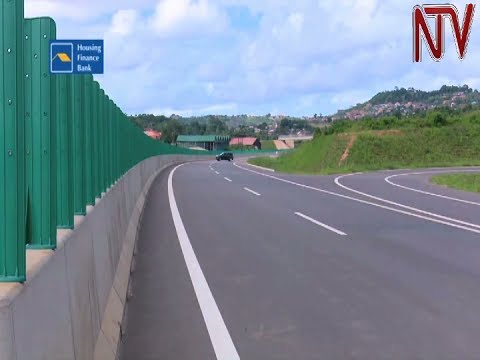
This road links kampala with entebee if am not wrongCheki Waganda vile wanasonga mwendo kasi huku nyie bongolala ni kujaza JF na renders usiku na mchana



KichwaNgumu254
JF-Expert Member
- Aug 31, 2017
- 1,284
- 1,154
Both IMF and WB Regional Regional Directiors live in Nairobi! 😀😀😀

ichoboy01
JF-Expert Member
- Mar 6, 2017
- 82,270
- 163,950
Weka kama hizo nitanyamaza for ever.
ichoboy01
JF-Expert Member
- Mar 6, 2017
- 82,270
- 163,950
umeumia sana maboss wao sasa ndio wanaokuja sio vijakazi maboss top manyota😀😀😀😀Both IMF and WB Regional Regional Directiors live in Nairobi! 😀😀😀

much know
JF-Expert Member
- Oct 22, 2017
- 14,061
- 21,591
Hapa napo ni nairobi mji wa maraha orkiu jijini😀😀😀😀😀jiji halina maji mwaka mzima

COLLOH-MZII RELOADED
JF-Expert Member
- Apr 6, 2017
- 7,544
- 3,131
ichoboy01
JF-Expert Member
- Mar 6, 2017
- 82,270
- 163,950
KichwaNgumu254
JF-Expert Member
- Aug 31, 2017
- 1,284
- 1,154
This road links kampala with entebee if am not wrong
Yap Entebbe-Kampala Expwy,about 50km of sheer bliss. It dramatically stilts over swamps on some stretches
ichoboy01
JF-Expert Member
- Mar 6, 2017
- 82,270
- 163,950
Similar Discussions
-
KONGAMANO LA KIMATAIFA LA SACCA 2026 / 2026 SACCA CONGRESS DAR ES SALAAM
- Started by Bagamoyo
- Replies: 2
-
 Tanzania’s Dar es Salaam port surges ahead of Kenya’s Mombasa in global efficiency ranking
- Started by Zack Abdul
- Replies: 0
-
Kuchagua POS Bora kwa Maduka jijini Dar es Salaam
- Started by BIASHARABORA
- Replies: 2
-
-
 Need Someone in Dar es Salaam to Handle Tasks for You? (On-Ground Support in Tanzania)
- Started by Powell Gonzalez
- Replies: 1