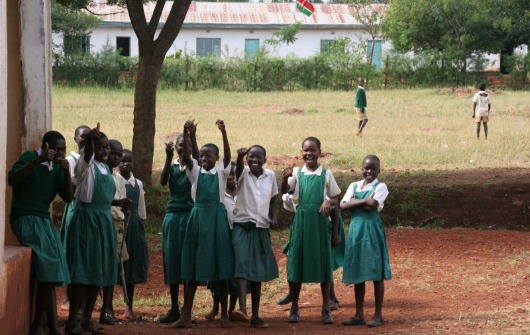
85%, umefanya survey?unemployment does not mean you are miserable mate. You can do something avec your life. Non employment hustle and still earn. nakuwanga na hii picha, 3 years old but gold.
View attachment 494179
kenya leads in a big gap of poor and rich in the world......
Poverty in Kenya
Poverty in Kenya: Half of all Kenyans, live below the poverty line, large numbers regularly go hungry, drought is a regular event, disease across that must be borne, beggars are an accepted feature of society (many are disabled, lepers, or homeless mothers with children), and glue-sniffing, rapacious street children are just part of normal life.
In the cities, vast markets sell mitumba secondhand clothes imported from the developed world); and the shopping for and wearing of mitumba is a favorite pastime among all levels of society. Such Poverty in Kenya can come as a severe shock to visitors from the developed world, who tend to overcompensate by giving away money, sweets, pens, and clothes. However, according to Kenya’s numerous charity organizations, this is not a good idea and merely promotes a degrading “begging mentality”; they suggest that it is better to give generously to recognized charities and help agencies.
Many Kenyans, though, subscribe to the view that “there but for the grace of God go I” and give to beggars on a regular basis with a smile and a greeting. For the many Muslim Kenyans almsgiving is a religious requirement.
Poverty in Kenya: Poverty Levels in Kenya
Despite some positive developments, poverty in
Kenya has continued to be a huge problem. Even hunger in Kenya continues to rear it’s head from time to time.
The dry Poverty in Kenya statistics in Kenya sum it all up. Somewhere between one quarter and half of the population earn less than $1 US each day (the annual GDP per capita is around $360 US). It was estimated in 1992 that half of all rural
Kenyans were living below the poverty line. That represents approximately 9 million people. The situation is not quite as bad in the urban centers, where such Poverty in Kenya only effects a third of the population.
A 2005 report by the United Nations ranked Kenya as 154th out of a list of 177 countries, in terms of
life expectancy,
literacy levels and overall gross domestic product. Just three years earlier, the country had ranked 134th. For comparison, Uganda was ranked at 144th, and Tanzania was 164th. Both are immediate neighbors of Kenya.
There are several factors contributing to the ongoing problem of poverty in Kenya, though the issue of Kenya’s economic state is far more complex than a simple list of causes.
Poverty in Kenya: Causes of Poverty in Kenya
Poverty in Kenya
Limited Economic Diversity
Around three quarters of
Kenya’s population is dependent on the
agriculture industry, but with its erratic
weather patterns and vast regions of arid desert, it is a very unstable sector. Periods of drought can be crippling, not only in terms of
food supply, but in
jobs as well.
Even when crops have been sufficient, poor
government policies and international trade terms hampers agricultural growth, leading to further declines in the industry through the 70s and 80s. Starting in 1991, further serious problems in the country’s GDP became evident, leading to extended government action which has not proven to be successful at stemming the tide of poverty in Kenya.
Lack of Opportunity
Exiting Articles
- The Heroic Story of Janet Kanini Ikua
- 10 Things You’re Doing that are Killing Your Kidneys – Avoid Them
- 25 Sexual Questions to Ask A Girl
- 45 Things a Girl Wants But Wont Ask For
- 20 Things Women Should Never, Ever, Do
- 60 Really Sweet Things To Say To A Girl
- 25 Really Romantic Ideas to Make Your Lover Melt!
- Top 20 Things Men Should Never, Ever, Do
- 19 Things Women in Relationships Must Not Do; Men Hate Them
- 7 Facts Fathers Never Tell Their Sons about Women
- How to Succeed in Life and Business – The Hedgehog Concept
- Memorable Speech by Idi Amin
Weak overall infrastructure for the country means that nearly all the rural population are forced to rely on their own subsistence farming for their own food as well as monetary income. Jobs are scarce, leaving people with little opportunity for
employment. There are considerable obstacles for starting a small
business yourself in Kenya as well. Micro credits may be one way to foster small entrepreneur. They will be important when eradicating poverty in Kenya.
Another factor is
education.
School fees are often out of reach for poor families, leaving each generation to continue trying to find work while lacking the education to advance.
Cultural biases towards women create further limitations for the growing number of female-led households.
Government Corruption
According to Transparency International, Kenya is one of the most corrupt nations in the world. It is difficult for the majority of the
population to escape the poverty in Kenya, when government money is used improperly.
Bribes, fraud and tribal favoritism are common within the all levels of government, which hampers any attempt to improve conditions across the country. In the early 2000s, the
Kenyan government began taking steps to reduce the rampant corruption. These reforms have inspired some confidence, and brought additional foreign investment back to Kenya, but at the core of the system corruption remains.
Unfair Tariff Walls By Rich Countries
Protection of their own economies through tariff walls poses another problem. An increase of international trade has proven beneficial for many developing countries – look at China, India and countries in South America.
Poverty in Kenya: Effects of Poverty in Kenya
- Poverty in Kenya has led Kenyans to the deepest depths of desolation, depression and hopelessness culminating to the current dehumanizing alcoholism and criminality in the society.
- You never get to actualize yourself worth as God intended because your belief system of yourself is very low.
- You never get to know and exploit your potential because of the fear Poverty in Kenya has installed in you.
- You will not achieve much in life even though you have a good education and a good income because you fear to venture out and learn more about yourself and life so opportunities do not present themselves to you.
- You will be a negative person as you will always see the cup half empty instead of half full and so you cannot attract success only shadows of it.
- You will fit very well in the definition of madness which is doing the same thing all the time yet expecting different results.
- You continue to lead a stagnant life and because you were created to be great and you have mediocre results in over life you get frustrated and even sometimes depressed.
- You don’t get the amount of children you want and even those that you have you are not able to provide them with the kind of life you would want to provide them with.
- Luckily for us, the solution is a simple one – individual holistic welfare development through education.
- An information access strategy will raise our people’s value to enable them access basic needs and the imminent ripple-effect will naturally lead to a pragmatic and sustainable wealth creation and economic revival for all of us.
Poverty in Kenya: Poverty Eradication in Kenya
Kenya’s long-term development blueprint, Vision 2030, was launched in 2008. It aims to create a “globally competitive and prosperous nation with a high quality of life by 2030.” Vision 2030 is designed to guide the country towards meeting the Millennium Development Goals by 2015 and beyond, transforming Kenya into “a newly industrializing, middle-income country.”
Evidence shows that agriculture-led growth in Kenya is more than twice as effective in reducing poverty as growth led by industry. The key to better performance in agriculture lies in boosting smallholder productivity and developing non-farm activities. By making financial services widely available to rural communities to enable the growth of smallholder enterprises, the Government of Kenya aims to stimulate the rural economy.
The government recognizes that economic development depends on agriculture, tourism, manufacturing and the energy sector. All of these rely heavily on sustainable management of natural resources – particularly Kenya’s five major forested mountains, also known as ‘water towers’. The increased frequency of drought has also led the government to place natural resource management and climate change mitigation at the centre of its agricultural and economic development strategy. In cooperation with its development partners, the government has introduced legislative and policy reforms to coordinate ecosystem management and the sustainable use of natural resources.