Kutakuwa kuna handaki hapo 🤣🤣🤣
Battle: Dar es Salaam vs Nairobi
You are using an out of date browser. It may not display this or other websites correctly.
You should upgrade or use an alternative browser.
You should upgrade or use an alternative browser.
Battle: Dar es Salaam vs Nairobi
Hii roof mbona jua kali sana aiseee🤣 🤣 🤣 🤣 🤣
View attachment 3560029

stakehigh
JF-Expert Member
- Aug 9, 2019
- 39,230
- 39,392
🤣 🤣 wakenya wana mengi moyon
View: https://x.com/Cherry_Ganz/status/2034638192771580042?s=20
View: https://x.com/DerekEli7/status/2034650653780312101?s=20
View: https://x.com/SimonMarig86536/status/2034643566870368606?s=20
Kidogo baadhi wameanza kupata akili 🤣
View: https://x.com/EugineMeel/status/2034645647312457893?s=20
View: https://x.com/Cherry_Ganz/status/2034638192771580042?s=20
View: https://x.com/DerekEli7/status/2034650653780312101?s=20
View: https://x.com/SimonMarig86536/status/2034643566870368606?s=20
Kidogo baadhi wameanza kupata akili 🤣
View: https://x.com/EugineMeel/status/2034645647312457893?s=20

Geza Ulole
Platinum Member
- Oct 31, 2009
- 76,137
- 107,694
Princess Pamunda

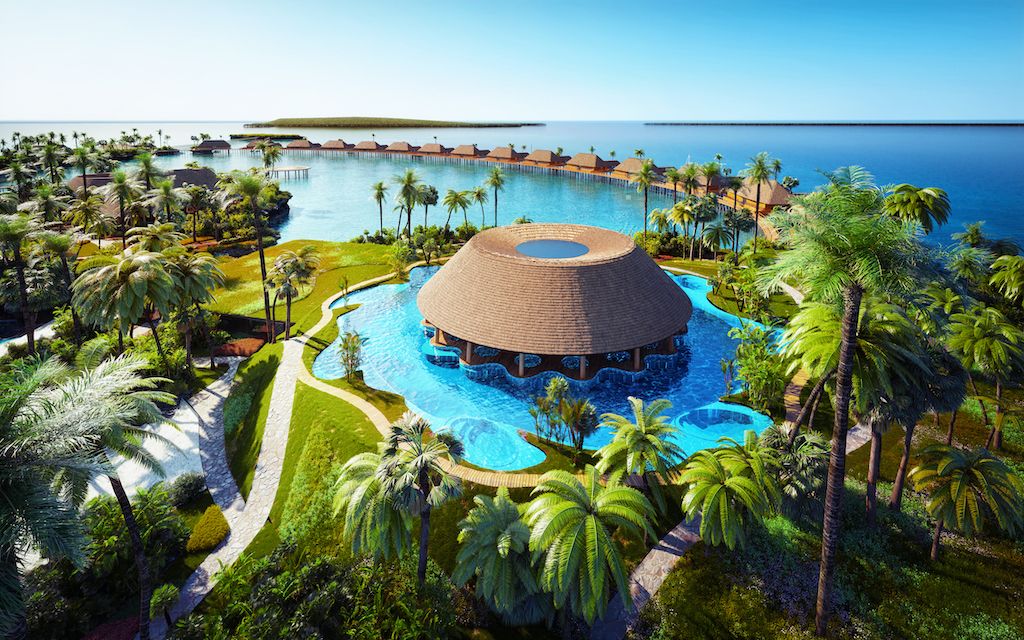
EXCLUSIVE How Zanzibar will turn small islands into big-time holiday spots
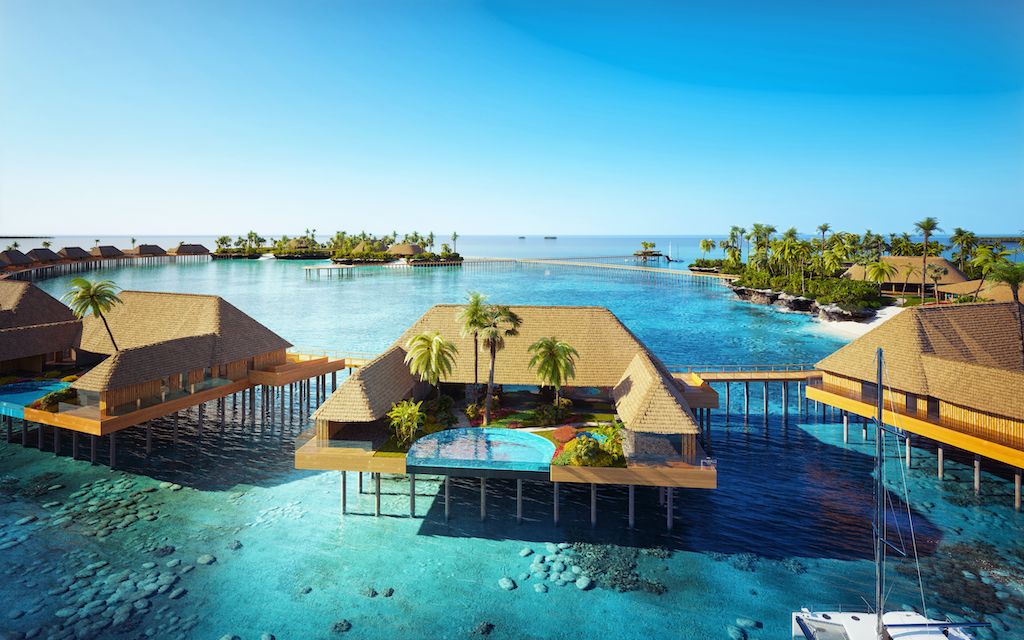
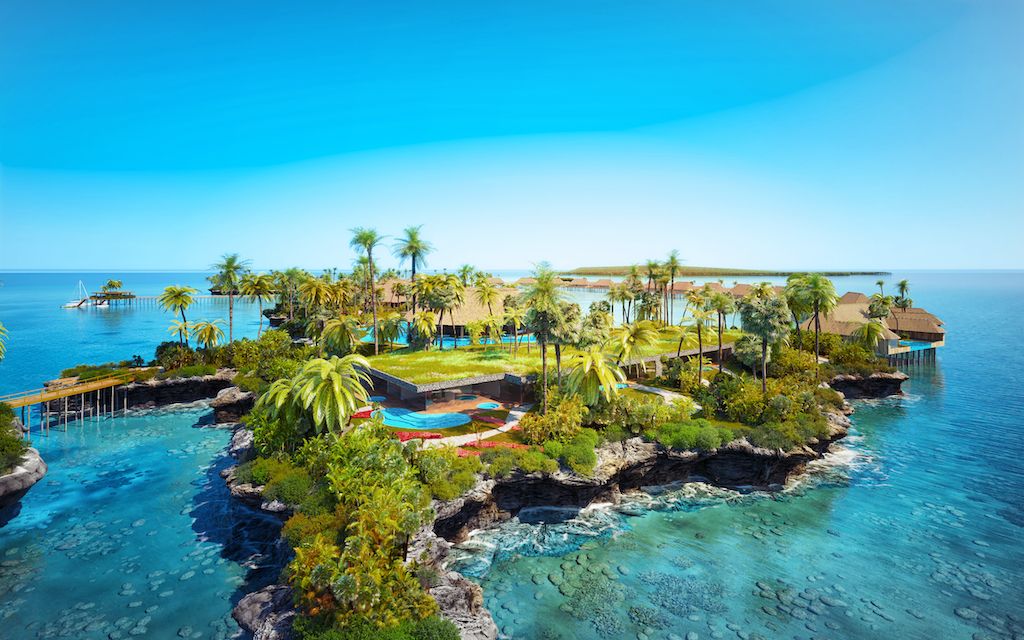
19 small islands are to become prime luxury hideaways. THE FUMBA TIMES was given exclusive access to the amazing plans for the first of them, Pamunda A and B.
Meet Lukáš Šinogl, the new prince of – well, not Zamunda – but Pamunda. The 34 year old rightly feels like having entered a blockbuster, similar to Eddie Murphy as crown prince of the fictional African nation of Zamunda, a Hollywood mega success in the 80s. Šinogls company, the owners of renowned 5-star Tulia Beach Resort in Pongwe Pwani, was given the much-fought-over green light to develop two tiny islands, Pamunda A and B, just south-west off the Fumba peninsula. Budget: 30-50 million dollars, coincidentally just what Hollywood spent on making Murphy’s “Coming to America”.
The uninhabited Pamunda isles – until now merely coral rag bush country – are two of ten small islands recently handed over to investors by the government for a total of 261,5 million dollars in expected investments. “This shall boost the blue economy and open up more investment opportunities for Zanzibar”, a government spokesperson explained the purpose of the deal, happy about the cash flow. And because the initiative, which attracted over 50 affluent bidders, went so well, Zanzibar immediately decided to put another nine of his small isles up for grabs.
Zanzibar goes Maldives
“But we do not sell them, we only lease them”, assured Shariff Ali Shariff the public. The director of the Zanzibar Investment Promotion Authority (ZIPA) and Investment Minister Mudrik R. Soraga are the driving force behind the island scheme. Strategic investment is the key word of the deal: the daring financiers, whether local or foreign, are promised wide benefits in return for their island venture such as a 50 per cent exemption of income tax for ten years.
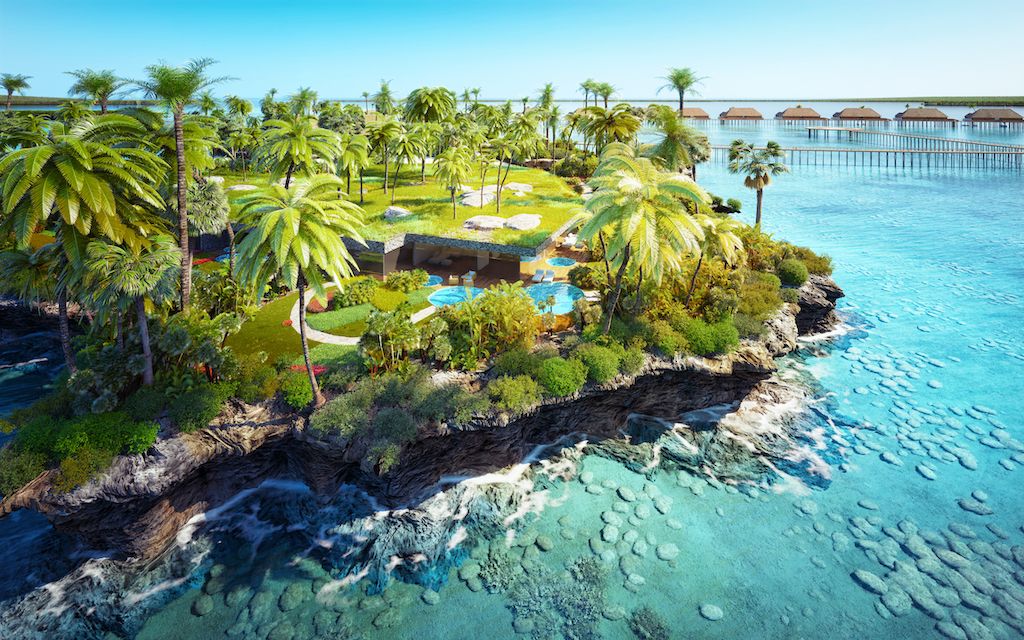
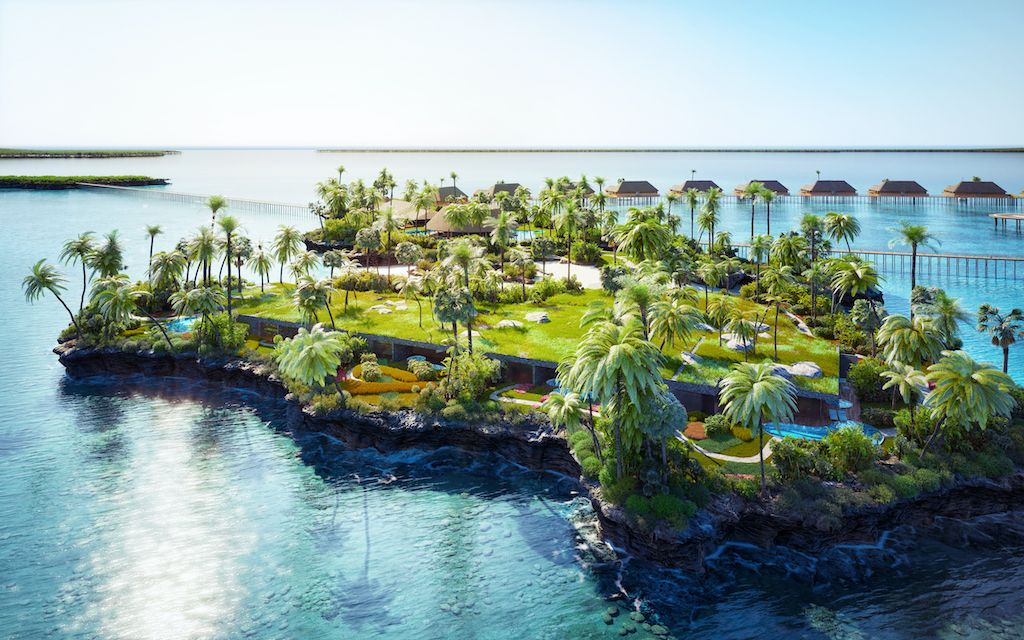
The envisaged small-island-tourism will bring a touch of Maldives to Zanzibar. Pamunda’s winning design is not just luxury but upper-upper-luxury: a circle of stilted water villas will be connecting the two Pamunda islands of together six hectares. On the slightly elevated islands, premium restaurants, bars and event space will be placed. The 16 water and 7 coral villas, each ultra-spacious with more than 300 square metres, will form a private wellness world complete with a resident doctor, sauna, gym, spa, home office. Does the lady of the house require a hairdresser? “She’ll be served in her private salon”, envisages Šinogl. Guests arrive by boat or helicopter.
No bling-bling, please!
“Will have no bling-bling”, insists the gentle, down-to-earth manager, among whose clients has been the Sultan of Oman. “Even VIPs can take their masks off with us.” His visitors want “the real thing”, he says, “genuine, natural, quality relaxation, hakuna matata, but with quality.” The architectural plans for Pamunda are drawn, the environmental assessment studies done. “Zero harm to the environment”, promise the developers; bungalows will be placed four metres above sea level facing east, taking tides, wind and yes, also global warming, into consideration.
All small-island-candidates, the ministry says, were tested but only a few found worthy of the projects after screening their financial and operational capacity. All had to prove “ability to conserve the environment, biodiversity, cultural heritage and community development”- lest no one would accuse the government of selling its assets. For cultural festivities Zanzibari still have access to the islands. Lukáš Šinogl and the two investors behind him, all hailing from the Czech republic, passed the test without hesitation.
Green care learnt in Fumba
They have learnt to master the game at the Tulia resort, opened in 2015 and one of Zanzibar’s best five star retreats. 16 bungalow suites, 125 staff, manicured gardens and a service so perfect one doesn’t even notice it, are the backbone of the property. At Tulia, Champagne is all-inclusive and so is a waterslide, rather unusual for a luxury hotel but much loved by children. Especially impressive is the green back-up, developed by the permaculture team of Fumba Town: 250 hens and 150 ducks happily roam around a huge ever-green farm in the back of the beach property which produces all there is to eat and enjoy by Tulia guests. Friendly maids are mopping shiny mahogany villa floors with lemon grass concoction, a natural insect killer.
“Much of what we have learnt here, we will also put into practice at the future Pamunda resort”, says the general manager. There, villas will start at $3200 - per night. For Šinogl and the government the ultra-luxury concept makes sense. Presently, only one per cent of accommodation in Zanzibar is in the premium range. “Zanzibar is too small to go for quantity; high-value-tourism is the better option”, says the manager. And who knows, maybe the concept will harvest just as much for Zanzibar as the Prince of Zamunda, who brought in 350 million dollars at the box office.
- Information for investors: zipa.go.tz
- Tulia Beach Resort, tuliazanzibar.com

Princess Pamunda - The Soul
EXCLUSIVE How Zanzibar will turn small islands into big-time holiday spots 19 small islands are to become prime luxury hideaways. THE FUMBA TIMES was given exclusive access to the amazing plans for the first of them, Pamunda A and B. Meet Lukáš Šinogl, the new prince of – well, not…
 fumba.thesoul.africa

stakehigh
JF-Expert Member
- Aug 9, 2019
- 39,230
- 39,392
cheki taa izo, unaweza kuishiwa pawa na ndo the most expensive stadium on earthHii roof mbona jua kali sana aiseee
Humuoni yuko relaxed na kwenye jovial mood?Tuseme hapa Nyerere kaweka yake mbele sivyo?

stakehigh
JF-Expert Member
- Aug 9, 2019
- 39,230
- 39,392
stakehigh
JF-Expert Member
- Aug 9, 2019
- 39,230
- 39,392
stakehigh
JF-Expert Member
- Aug 9, 2019
- 39,230
- 39,392
Geza Ulole
Platinum Member
- Oct 31, 2009
- 76,137
- 107,694
Geza Ulole
Platinum Member
- Oct 31, 2009
- 76,137
- 107,694
Pata picha kunatokea earthquake! Hili jengo lita-survive kweli?wakenya mmetushinda tabia ndo jengo gan sasa ili
View attachment 3560099
Geza Ulole
Platinum Member
- Oct 31, 2009
- 76,137
- 107,694
stakehigh
JF-Expert Member
- Aug 9, 2019
- 39,230
- 39,392
mji wote utaanza 0 🤣Pata picha kunatokea earthquake! Hili jengo lita-survive kweli?
kimya kimya kumbe Dar ina a number of hotels zimefunguliwa!
View: https://www.instagram.com/reel/DVIXMS0gCRq/?utm_source=ig_web_copy_link&igsh=MzRlODBiNWFlZA==
View: https://www.instagram.com/p/DMsGq8cNm9w/?utm_source=ig_web_copy_link&igsh=NTc4MTIwNjQ2YQ==
View: https://www.instagram.com/reel/DVseUFhjP_t/?utm_source=ig_web_copy_link&igsh=MzRlODBiNWFlZA==
The 360 rooms Iberostar Selection Muyuni Beach
View: https://www.instagram.com/p/DVs5elIjU-3/?utm_source=ig_web_copy_link&igsh=NTc4MTIwNjQ2YQ==
View attachment 3560070
View: https://www.instagram.com/p/DBeB-LbN1Ua/?utm_source=ig_web_copy_link&igsh=MzRlODBiNWFlZA==
View: https://www.instagram.com/reel/DIwWD_YIL1l/?utm_source=ig_web_copy_link&igsh=MzRlODBiNWFlZA==
View: https://www.instagram.com/reel/DGvcnAStCux/?utm_source=ig_web_copy_link&igsh=NTc4MTIwNjQ2YQ==
View: https://www.instagram.com/reel/C-QszTKuIfe/?utm_source=ig_web_copy_link&igsh=MzRlODBiNWFlZA==
View attachment 3560080
MY TAKE
BTW kuna watu hapo Ukunduni Nairobi wanadhani ndio ina-hold crown ya 5 star hotels in East and central Africa! Wasijue Zanzibar is the undisputed King for now and many years to come!
Teargass IamLee nairobae Nairoberry NairobiWalker Nicxie n mwathadan
Hujawai move on from this, na hata proper Airport hotels in Dar is a slum hakuna. Airport ni ndogo na imezungukwa tu na slums.
Geza Ulole
Platinum Member
- Oct 31, 2009
- 76,137
- 107,694
Geza Ulole
Platinum Member
- Oct 31, 2009
- 76,137
- 107,694
Sasa kama Ukunduni wana airport hotel na sie tuwe nayo? Kha mbona Zanzibar inayo na japokuwa hamna sehemu haifikiki within 2 hours visiwani? Hivyo ni vitu vidogo na as long as there r plans for that! Huna haja ya kupiga kelele! U should be worried of Zanzibar that has serious world class investments and it is quiet! BTW i didn't know of Bellhotels n Crowne Plaza n Onomo Hotels existence in Tanzania! even Radisson that r to open from end of this year! BTW the spanish r killing it! The influx of Major establishments in Mallorca r serious investing in Zanzibar and so far 3 of major spanish hotels have at least 3 facilities in Zanzibar! I hear they want to maintain their business sensing their clients backhome r migrating to Zanzibar!Hujawai move on from this, na hata proper Airport hotels in Dar is a slum hakuna. Airport ni ndogo na imezungukwa tu na slums.
Don't forget Italians r not left behind!
View: https://www.instagram.com/reel/DV9CTRfDRjm/?utm_source=ig_web_copy_link&igsh=MzRlODBiNWFlZA==
Similar Discussions
-
 Tanzania’s Dar es Salaam port surges ahead of Kenya’s Mombasa in global efficiency ranking
- Started by Zack Abdul
- Replies: 0
-
Kuchagua POS Bora kwa Maduka jijini Dar es Salaam
- Started by BIASHARABORA
- Replies: 2
-
-
 Need Someone in Dar es Salaam to Handle Tasks for You? (On-Ground Support in Tanzania)
- Started by Powell Gonzalez
- Replies: 1
-
Need Someone in Dar es Salaam to Handle Tasks for You? (On-Ground Support in Tanzania)
- Started by Powell Gonzalez
- Replies: 0