Battle: Dar es Salaam vs Nairobi

Battle: Dar es Salaam vs Nairobi

Kariakoo market in Dar es Salaam, poses a great threat to passersby.


A woman displays her merchandise in a restricted trading area at Kariakoo market in Dar es Salaam. The market has correctly lost its reputation as the authorities looks at the market environment which is surrounded by filth that stays uncollected for long time and apparently doesn’t take any action as the photo at the scene shows, a trailer full of filth that pose unhealthy condition at the market.
 
failed state
succesful state

Why denouncing Tanzanian coins on the streets?


Is the Central Bank of Tanzania aware of this? Tanzanian worthless coins have been turned a selling commodity in public. The situation can be seen in most Daladala bus stops in Dar es Salaam. Few unscrupulous traders who calls themselves money changers in black markets exchanges Tanzanian coins to would be Daladala conductors and other people around at the expense of the shortage of keep change. Each bundle of a coin worth Tshs. 800/- is exchanged for Tshs. 1,000/- note. But it’s very unfortunate that, these traders are not licensed to operate like bureau de change shops and to make it more worse, the Bank of Tanzania seems to have turned a blind aye to the situation that has escalated broadly in the city of Dar es Salaam. Above, a young lady and a boy arranges their coins in bundles at a bus stand at Banana when I captured them waiting for customers. According to them, they make a profit of Tshs. 200/- for every bundle sold so as to make end a day’s living.
 
Hio ndio laana ya ukabila😀😀😀
View attachment 703187
Poverty stricken situation in Tanzania denies the basic rights of citizens.


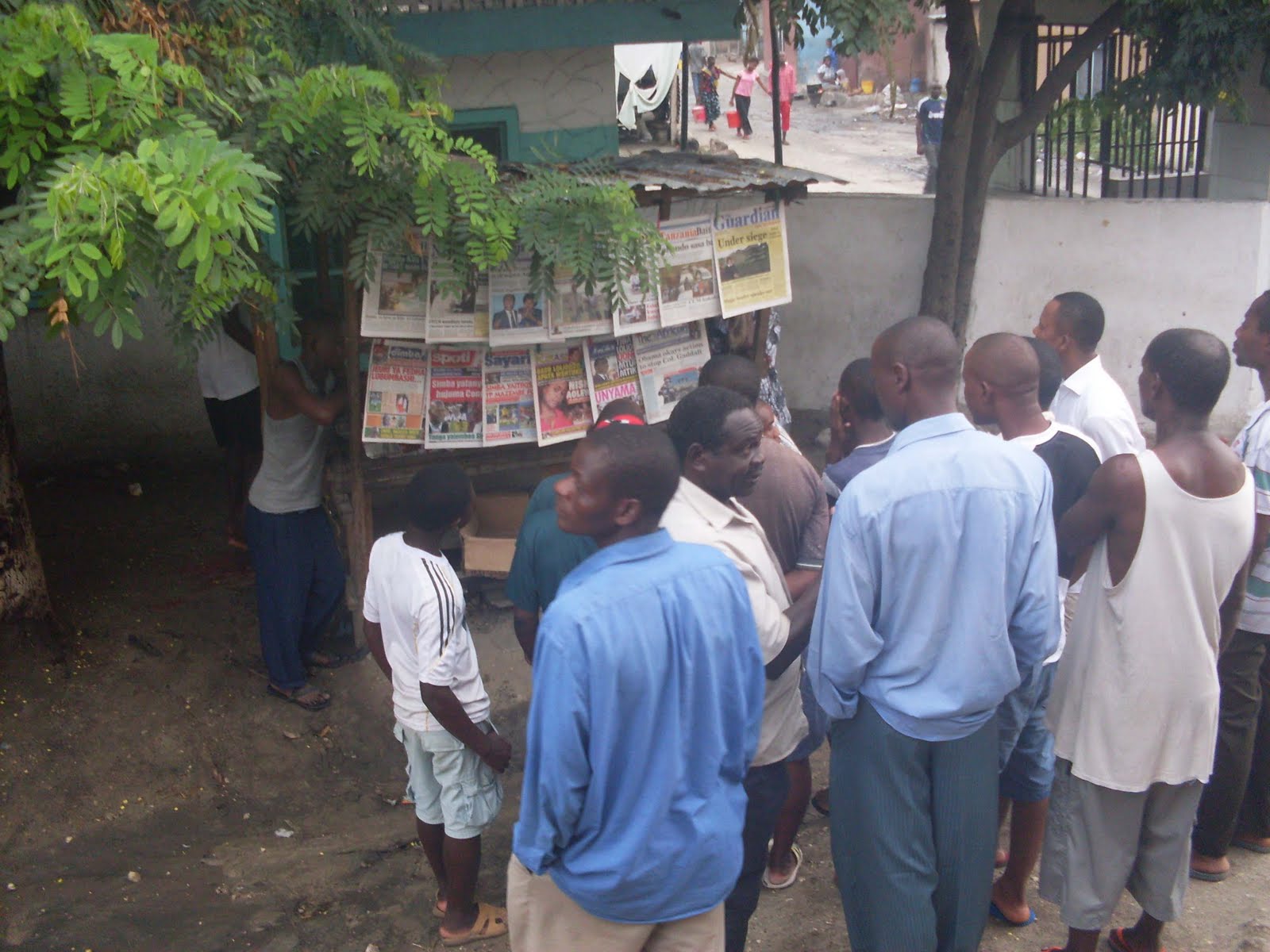
Information is power and newspapers have become expensive commodities that is rarely affordable by most citizens in Tanzania. A daily newspaper sells at between Tshs. 500/- and Tshs. 700/- this is almost a half of a daily earning per person according to the statistics made available by the National Economic Statistics Bureau. The firm’s shows that, due to the prevailing poverty stricken situation in the country, most people still depend on 1 USD, an aspect that most citizens are not able to buy newspapers and instead relies on reading news stories which have been given the precedence on the front pages to quench their thirst. The photo above shows a group of people peeping their eyes through such news at a newspaper vending area whose owner has decided to hang them up for fear of being damaged by crook readers who never buys them.
 
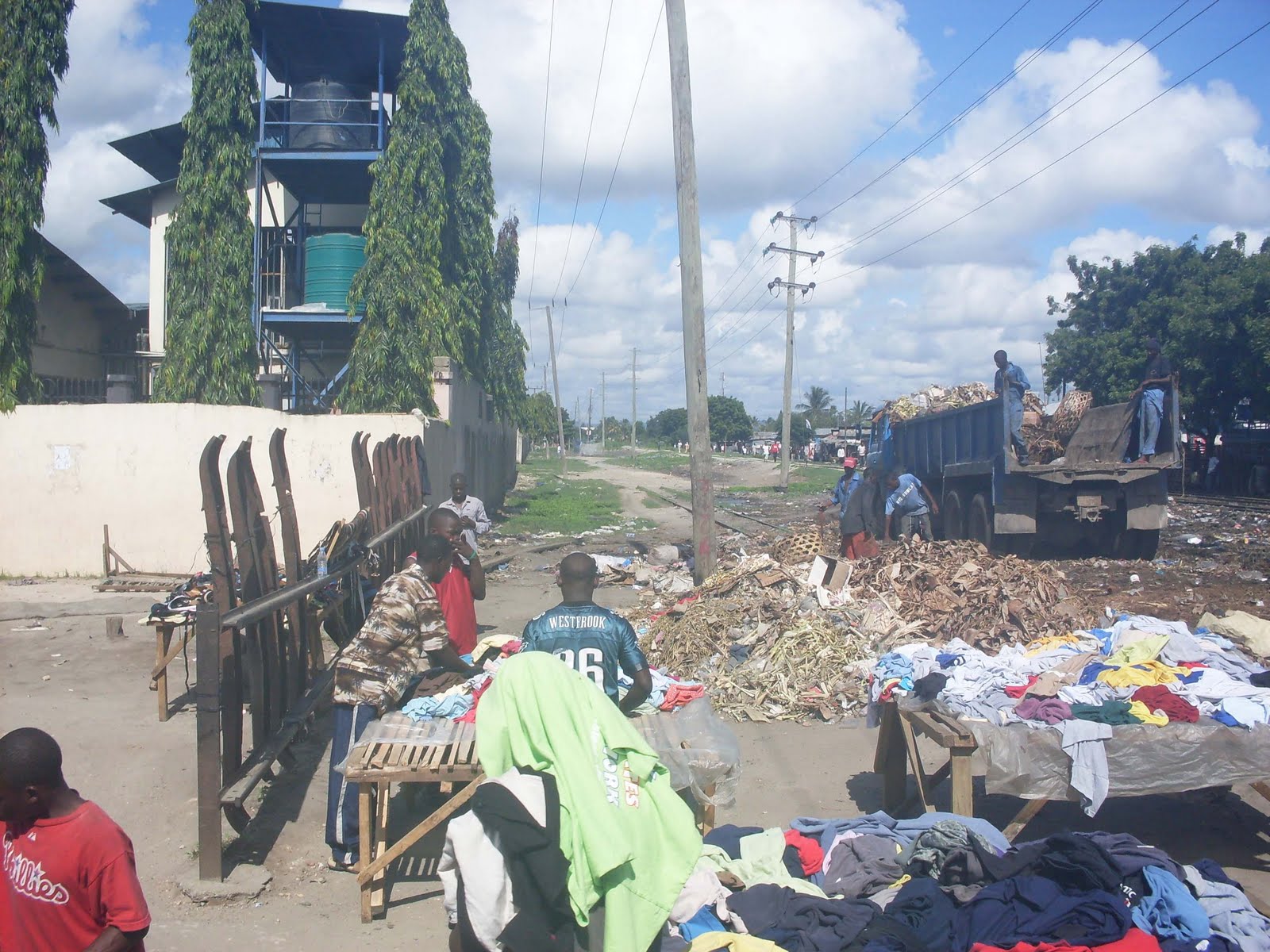
Scattered rubbish, a common phenomenon in Dar es Salaam city.

SDC12326.JPG

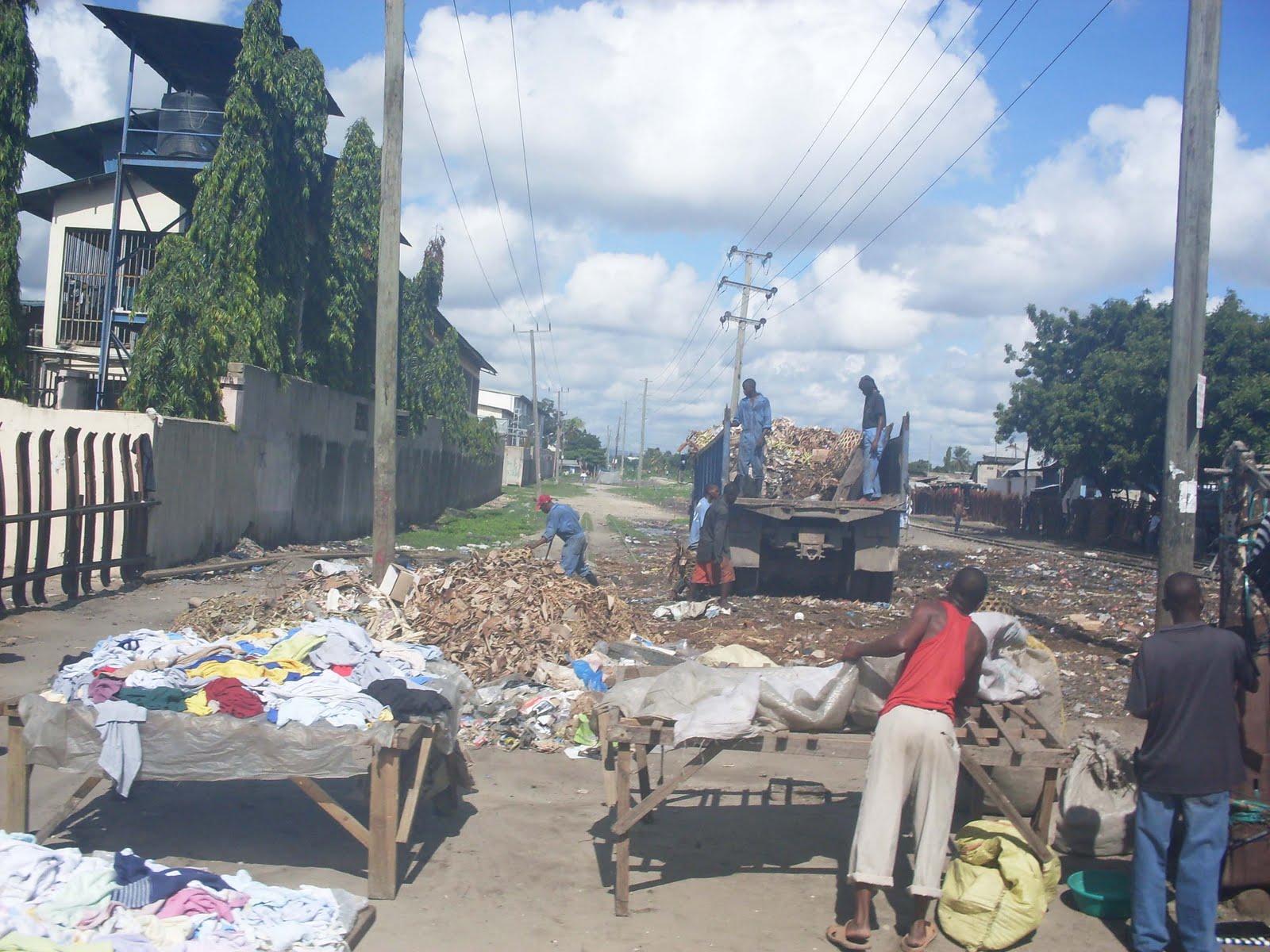
As the scene depicts, petty traders selling their merchandise at a railway crossing at Buguruni near SSB industries. In the background two trucks loaded with unmoved heap of a stinking filth. Those in the environmental health sector hazards have to be blamed for their failure to keep the surrounding clean, as this is likely to pose health dangers to people around
SDC12327.JPG
 
Poverty stricken situation in Tanzania denies the basic rights of citizens.


Information is power and newspapers have become expensive commodities that is rarely affordable by most citizens in Tanzania. A daily newspaper sells at between Tshs. 500/- and Tshs. 700/- this is almost a half of a daily earning per person according to the statistics made available by the National Economic Statistics Bureau. The firm’s shows that, due to the prevailing poverty stricken situation in the country, most people still depend on 1 USD, an aspect that most citizens are not able to buy newspapers and instead relies on reading news stories which have been given the precedence on the front pages to quench their thirst. The photo above shows a group of people peeping their eyes through such news at a newspaper vending area whose owner has decided to hang them up for fear of being damaged by crook readers who never buys them.


lol...Tanzania is one huge fallacy....you need to go there to see it.
 
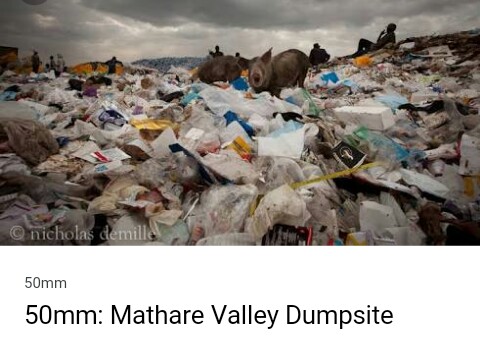
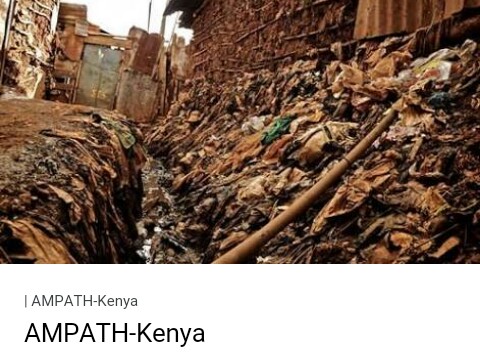
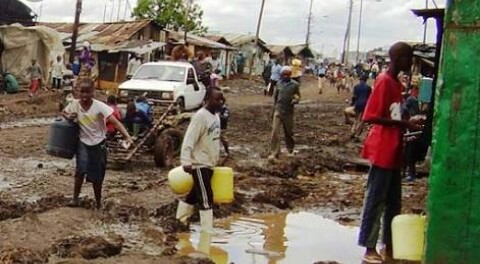
Kenya 2018 FEBRUARY
ed4e600a8cb82a25d772f0242b0b6b5f.jpg
1ab8dcf78c781f23575e0cbc937353b5.jpg
a36adabc3a6cada9cb5d6c1604c0b279.jpg
24ad60c1a114cec423a5189ae473ec98.jpg
ea58fae24783f4d3d19e578930110a4d.jpg
883ea0dfbf937027cbf2499f07e306ed.jpg
a464c7a75e5eb428061c285214764b70.jpg
3e2dc95768638528e8ab721d3a85f26d.jpg
809b019a9ec8e214845fbd02912c4b0e.jpg
for you to troll us at least you have to proove that you are doing better. but....
Water as a perennial problem in the city of Dar es Salaam


Water has become a social problem in many places in Tanzania and the government has been trying all it can in order to ward off the impediment that con trains the development of water sector in the country. Despite this effort, the government has also been calling upon the engagement of the private stakeholders in the fight in order to get the lasting solution to the problem which by no means is quite negligible whatsoever as far as its use is concerned. In view of this however, THE government has urged the Dar es Salaam Water and Sewerage Authority (DAWASA) and Dar es Salaam Water and Sewerage Corporation (DAWASCO) to work closely with other stakeholders in an effort to end water shortages in the region. The call was made recently by the Deputy Minister of Water and Irrigation, Jumaa Aweso, in Kigamboni District during his tour of Dar es Salaam Region to inspect implementation of water projects and accessibility of water to city residents. The Deputy Minister asked Dawasa and Dawasco to work closely with municipal and district councils in the region and other water stakeholders so as to ensure they achieve their target of ending the city water blues. According to Dawasa, currently, 75 per cent of Dar es Salaam residents are connected to formal water network while the rest are not connected to the network and lack access to safe and clean water. Some areas which have been mentioned as facing acute problem of access to clean and safe water include the newly formed district of Kigamboni and Segerea constituency which lacks water infrastructure. However, Dawasa and Dawasco are working on the problem so as to enable the areas be connected and have water access by introducing various projects in the areas, to ensure the government’s target of reaching 95 per cent of Tanzanians have access to clean and safe water is achieved. In Kigamboni District, Dawasa are conducting several projects including drilling 20 boreholes and erecting water tanks in the first phase to be followed with infrastructure such as pipes from the source to customers. Dawasa Deputy Director of Technical Services Modester Mushi disclosed that in an effort to tackle the problem in Kigamboni District, the authority is currently conducting projects at Vijibweni and Kimbiji in Kisarawe II Ward where they are drilling 12 deep wells. Eleven of them are already completed and have the capacity of providing 250,000 to 500,000 litres per day. However, she unveiled that the second phase of the project which involves the erection of infrastructure such as pipes is yet to start due to lack of funds. But, Dawasa is working around the clock to get the funds to complete the project through soft loan from Exim Bank of China, which they are expecting to get. Deputy Minister Aweso commended the good job by Dawasa for implementing various water projects in the district in an effort to solve the district water blues for good and urged them to ensure the projects are completed in time. He went on to advise Dawasa to see how they can start using the 11 completed wells to reduce water crisis in Kigamboni District.
 
Poverty stricken situation in Tanzania denies the basic rights of citizens.


Information is power and newspapers have become expensive commodities that is rarely affordable by most citizens in Tanzania. A daily newspaper sells at between Tshs. 500/- and Tshs. 700/- this is almost a half of a daily earning per person according to the statistics made available by the National Economic Statistics Bureau. The firm’s shows that, due to the prevailing poverty stricken situation in the country, most people still depend on 1 USD, an aspect that most citizens are not able to buy newspapers and instead relies on reading news stories which have been given the precedence on the front pages to quench their thirst. The photo above shows a group of people peeping their eyes through such news at a newspaper vending area whose owner has decided to hang them up for fear of being damaged by crook readers who never buys them.
😀😀😀 noma aisee
 
for you to troll us at least you have to proove that you are doing better. but....
Water as a perennial problem in the city of Dar es Salaam


Water has become a social problem in many places in Tanzania and the government has been trying all it can in order to ward off the impediment that con trains the development of water sector in the country. Despite this effort, the government has also been calling upon the engagement of the private stakeholders in the fight in order to get the lasting solution to the problem which by no means is quite negligible whatsoever as far as its use is concerned. In view of this however, THE government has urged the Dar es Salaam Water and Sewerage Authority (DAWASA) and Dar es Salaam Water and Sewerage Corporation (DAWASCO) to work closely with other stakeholders in an effort to end water shortages in the region. The call was made recently by the Deputy Minister of Water and Irrigation, Jumaa Aweso, in Kigamboni District during his tour of Dar es Salaam Region to inspect implementation of water projects and accessibility of water to city residents. The Deputy Minister asked Dawasa and Dawasco to work closely with municipal and district councils in the region and other water stakeholders so as to ensure they achieve their target of ending the city water blues. According to Dawasa, currently, 75 per cent of Dar es Salaam residents are connected to formal water network while the rest are not connected to the network and lack access to safe and clean water. Some areas which have been mentioned as facing acute problem of access to clean and safe water include the newly formed district of Kigamboni and Segerea constituency which lacks water infrastructure. However, Dawasa and Dawasco are working on the problem so as to enable the areas be connected and have water access by introducing various projects in the areas, to ensure the government’s target of reaching 95 per cent of Tanzanians have access to clean and safe water is achieved. In Kigamboni District, Dawasa are conducting several projects including drilling 20 boreholes and erecting water tanks in the first phase to be followed with infrastructure such as pipes from the source to customers. Dawasa Deputy Director of Technical Services Modester Mushi disclosed that in an effort to tackle the problem in Kigamboni District, the authority is currently conducting projects at Vijibweni and Kimbiji in Kisarawe II Ward where they are drilling 12 deep wells. Eleven of them are already completed and have the capacity of providing 250,000 to 500,000 litres per day. However, she unveiled that the second phase of the project which involves the erection of infrastructure such as pipes is yet to start due to lack of funds. But, Dawasa is working around the clock to get the funds to complete the project through soft loan from Exim Bank of China, which they are expecting to get. Deputy Minister Aweso commended the good job by Dawasa for implementing various water projects in the district in an effort to solve the district water blues for good and urged them to ensure the projects are completed in time. He went on to advise Dawasa to see how they can start using the 11 completed wells to reduce water crisis in Kigamboni District.
One good year nairobi hakuna maji😀😀
 
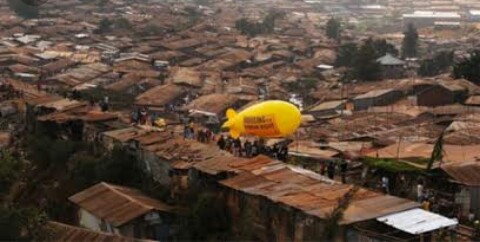
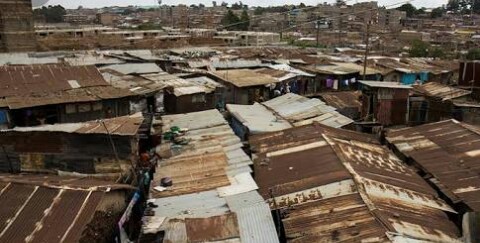
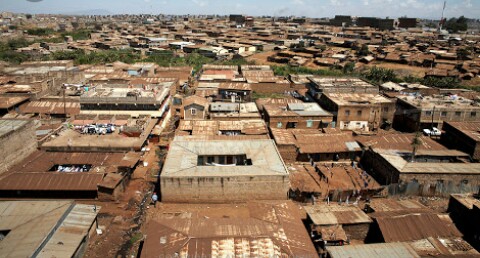
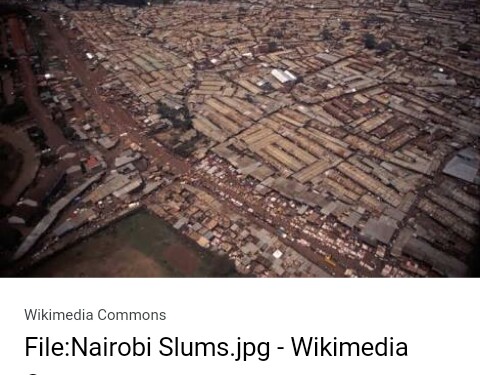
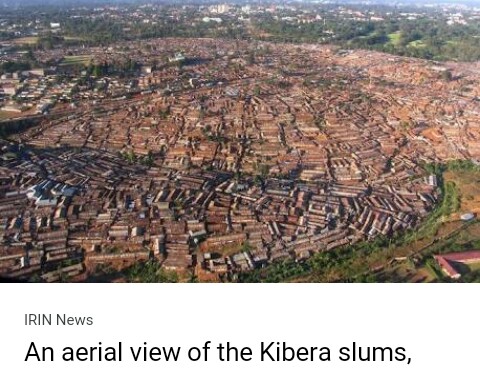
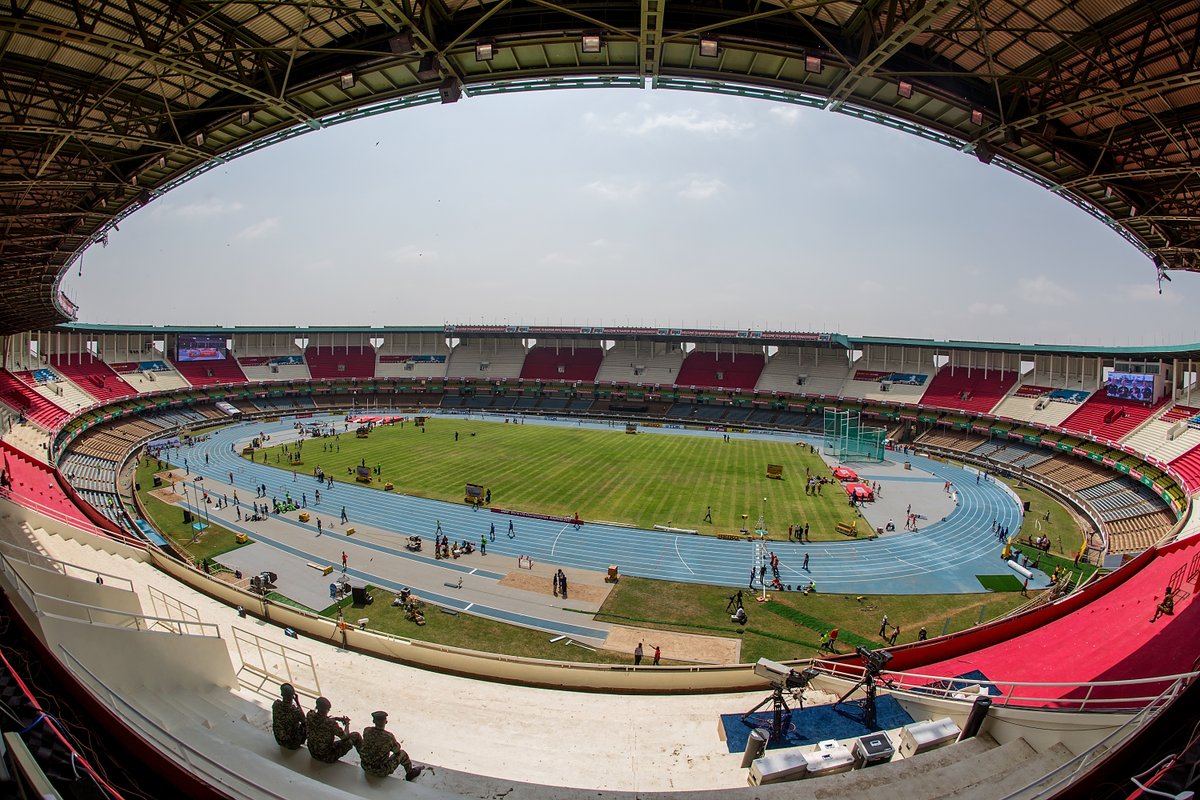
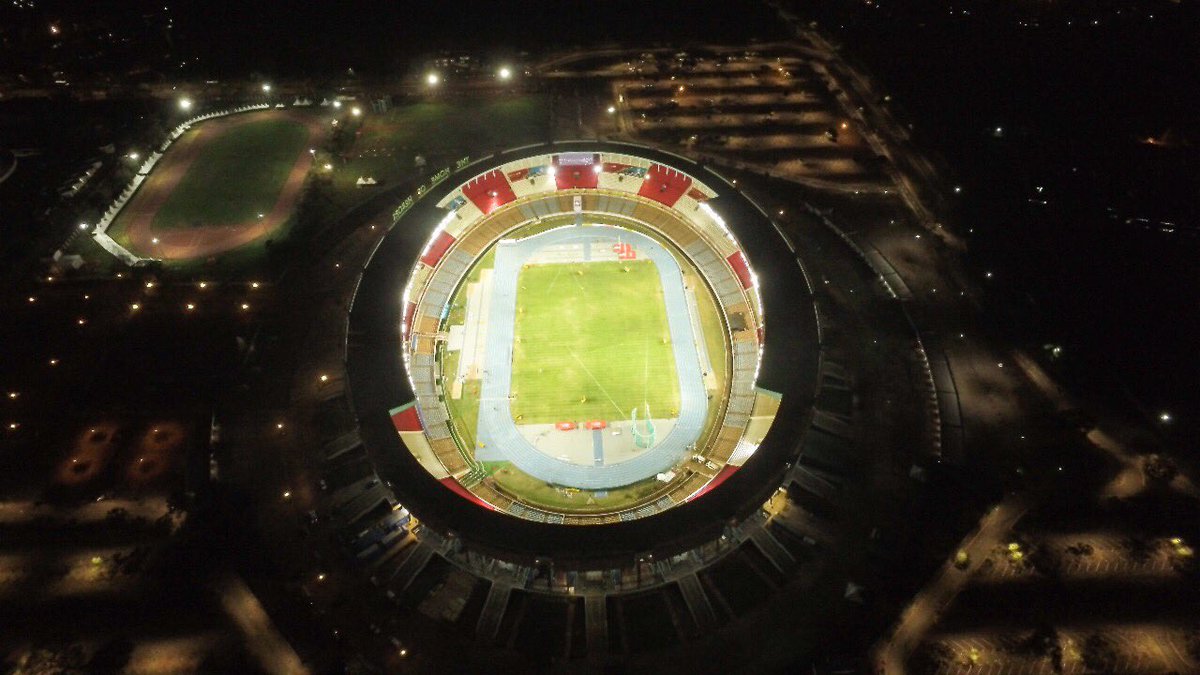
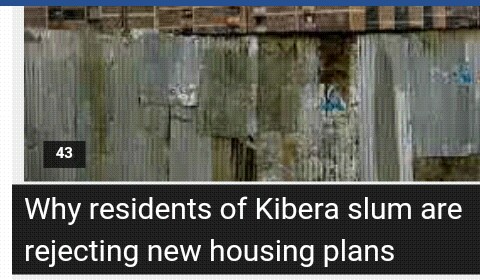
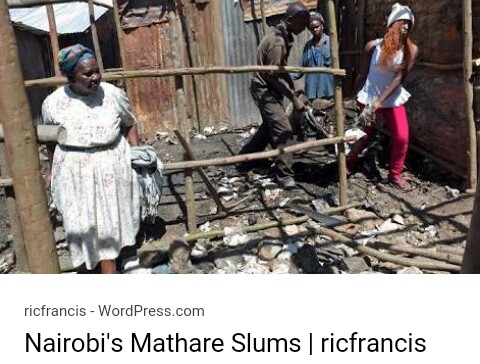
at least ours is not surrounded by slums, north, east,south and central
View attachment 703155
Cn30BQgW8AAxggc.jpg:large

DEn23okXUAAUxvU.jpg

DEeKsVCXsAITVzN.jpg
National Stadium Neighbour's Dude;

Kaskazini - Chuo cha Ualimu DUCE
Kusini - Barabara ya Mandela kutoka bandarini na kambi ya jeshi Abdallah Tualipo

Mashariki - Kambi ya jeshi ya Mgulani
Magharibi - Ofisi ya Halmashauri ya Manispaa ya Temeke


aiseee wakenya mko makini sana na slum, good experience lakini
 
for you to troll us at least you have to proove that you are doing better. but....
Water as a perennial problem in the city of Dar es Salaam


Water has become a social problem in many places in Tanzania and the government has been trying all it can in order to ward off the impediment that con trains the development of water sector in the country. Despite this effort, the government has also been calling upon the engagement of the private stakeholders in the fight in order to get the lasting solution to the problem which by no means is quite negligible whatsoever as far as its use is concerned. In view of this however, THE government has urged the Dar es Salaam Water and Sewerage Authority (DAWASA) and Dar es Salaam Water and Sewerage Corporation (DAWASCO) to work closely with other stakeholders in an effort to end water shortages in the region. The call was made recently by the Deputy Minister of Water and Irrigation, Jumaa Aweso, in Kigamboni District during his tour of Dar es Salaam Region to inspect implementation of water projects and accessibility of water to city residents. The Deputy Minister asked Dawasa and Dawasco to work closely with municipal and district councils in the region and other water stakeholders so as to ensure they achieve their target of ending the city water blues. According to Dawasa, currently, 75 per cent of Dar es Salaam residents are connected to formal water network while the rest are not connected to the network and lack access to safe and clean water. Some areas which have been mentioned as facing acute problem of access to clean and safe water include the newly formed district of Kigamboni and Segerea constituency which lacks water infrastructure. However, Dawasa and Dawasco are working on the problem so as to enable the areas be connected and have water access by introducing various projects in the areas, to ensure the government’s target of reaching 95 per cent of Tanzanians have access to clean and safe water is achieved. In Kigamboni District, Dawasa are conducting several projects including drilling 20 boreholes and erecting water tanks in the first phase to be followed with infrastructure such as pipes from the source to customers. Dawasa Deputy Director of Technical Services Modester Mushi disclosed that in an effort to tackle the problem in Kigamboni District, the authority is currently conducting projects at Vijibweni and Kimbiji in Kisarawe II Ward where they are drilling 12 deep wells. Eleven of them are already completed and have the capacity of providing 250,000 to 500,000 litres per day. However, she unveiled that the second phase of the project which involves the erection of infrastructure such as pipes is yet to start due to lack of funds. But, Dawasa is working around the clock to get the funds to complete the project through soft loan from Exim Bank of China, which they are expecting to get. Deputy Minister Aweso commended the good job by Dawasa for implementing various water projects in the district in an effort to solve the district water blues for good and urged them to ensure the projects are completed in time. He went on to advise Dawasa to see how they can start using the 11 completed wells to reduce water crisis in Kigamboni District.
Kenya February 2018
a2d150f1d9f5e21fb0794ed34c2c3528.jpg
b90bfbfaaaaf2b3365a6c2eae5445ff1.jpg
1a568200c2acda8c154b3926727ec024.jpg
cfe49e17eae3d3b41aa0beeeb08ef5d6.jpg
f84a2ecae6433d5d784f2677a99d1305.jpg
 
Back
Top Bottom