TANZANIA - A Nation without Heroes (by Mohamed Said)

TANZANIA - A Nation without Heroes (by Mohamed Said)

Status
Not open for further replies.
Tatizo TZ history is severely distorted to serve political interests. Seaching and discovering ours heroes is like seaching for the proverbial needle beneath a giant propaganda haystack.
 
Yawezekana kuwa watu wengine waliopigania uhuru hawajapewa prominence anayotaka mtoa hoja. Jambo linalonitatiza niktaka kujua kwamba muumini wa dni yeyote hawezi kpigania uhur wa nchi yake bila kutanguliza imani imani yake? Je akina Sykes na wazee wengine wa Kiislamu walikuwa wakitaka uhuru wa Tanganyika ya Kiislamu au Tanganyika ya Watanganyika? Naamini Mohammed Said anachotakiwa nikuandika upya historia bila kutumbukia kwenye kosa la anaowatuhumu, "kudharau mchango wa wengine". Kama kusahaulika huko ni kwa makusudi, basi dawa nikuongezea listi ya mashujaa hao na wengine wa makabila na imani tofauti ili tuwe na historia isiyo lalia kundi moja tu. Hao wazee walikuwa wanasiasa na naamini wanajua ukwelikuwa katika siasa kuna kufarakana, na kama walifarakana kimtizamo basi walioshinda hawajawahi kuhesabu majeruhi. Kuhusu hizo archives kama hazijawekwa kwenye national archives, basi leo hii kutokana na elektroniki, naamini hapa JF na mabenki mengine ya data ya wazi yatumike kuhifadhi ili sote tuweze kuziona na pia kuzichambua. Yawezekana tukaja na mtizamo tofauti. Mtizamo wako umeweka wazi yamkini kuna wengine tuna mtizamo tofauti kutokana na majuisho ya familia na makabila yetu. Dar ilikuwa kitovu cha siasa za Tanzania, hivyo si ajabu kuwa Waislamu wengi kshiriki harakati hizo za uhuru wa Tanganyika nachelea kuamini si wa islamu Dar au Tanganyika!!
 
Mbona hujibu maswali? Vipi mikoani hakukuwa na wapigania uhuru? Mwanza akina mama lishe ndo walikuwa wako juu! Dont they deserve 'an honourable mention in your article'?

The Forgotten Patriots, Heroes and Heroines
The struggle against British colonialism in Tanganyika was fought by many and from every angle. There were the known front liners, patriots of the TAA like Abdulwahid Sykes and his young brother Ally, Dossa Aziz, John Rupia,[1] Steven Mhando, Dr. Vedasto Kyaruzi, Hamza Mwapachu (1913 – 1962)[2], Idd Faiz Mafongo,[3] Mshume Kiyate,[4] Joseph Kasella Bantu,[5] and Zuberi Mtemvu in Dar es Salaam, Ally Migeyo,[6] Saadan Abdu Kandoro and Paul Bomani from the Lake Region, Yusuf ‘’Ngozi’’ Olotu [7] from Kilimanjaro, Bilali Rehani Waikela,[8] Germano Pacha, Fundi Muhindi from Tabora, Yusuf Chembera and Salum Mpunga from Lindi, Hamisi Heri, Sheikh Rashid Sembe,[9] Mohamed Kajembe from Tanga… the list is long. There were also the not so well known like Lameck Bogohe who is also in the list of founding members of TANU. [10]


[1] Abdulwahid Sykes, Ally Sykes, Dossa Aziz and John Rupia were the financiers of the movement from 1950 to 1961 when independence was achieved.

[2] See Andrew Bomani in Raia Mwema of 19 October 2012 ‘’Hamza Mwapachu na Nyerere Kuelekea Uhuru wa Tanganyika.’’ Hamza Mwapachu and Abdulwahid Sykes are the ones who recruited Nyerere into colonial politics in 1952 when Nyerere came to Dar es Salaam to work as a teacher at St. Francis College, Pugu. Hamza Mwapachu has been honoured in Kenya. Through efforts by Ali Mwakwere after learning that Mwapachu was a fellow Digo and that he was the first Digo to attend Makerere College in 1943 Mwakwere had a street in Kwale District his own home area named after Hamza Kibwana Mwapachu.

[3] Idd Faiz Mafongo was among the first 20 members who attended the first TANU meeting in August 1954. He was the Al Jamiatul Islamiyyya and TANU treasurer at the same time. As TANU treasurer he was responsible for collecting funds for Nyerere’s first trip to UNO in 1955.

[4] Mshume Kiyate a rich fish monger at Kariakoo Market and a strong member of TANU Elders Council adopted Nyerere as his own son in 1955. Mshume Kiyate was among TANU financiers. In 1964 when the army mutinied and Nyerere came back to power after the army was disarmed by the British TANU held a mass demonstration in support of Nyerere in which Nyerere gave a speech. Mshume Kiyate was the elder politician who was nominated by the party to go up the stage with Nyerere to cloth him with a traditional Swahili attire known as ‘’kitambi’’ as show of love, support and respect to him. Mshume Kiyate died a poor man failing even to pay his medical bills. His contribution to TANU and support to Nyerere remain unrecognised. Efforts to name Tandamti Street which he lived during the struggle after him has been resisted by City Council authorities.

[5] Kasella Bantu was the one who took Nyerere to Abdulwahid Sykes’s house to introduce them in 1952.

[6] G. Mutahaba, Portrait of a Nationalist: The Life of Ali Migeyo, East African Publishing House, 1969.

[7] Yusuf Ngozi was responsible for founding TANU in Kilimanjaro in 1955 despite of efforts by the colonial government to sabotage the party. History will remember Yusuf Ngozi for organising the Chagga to register as voters in the hated Tripartite Vote of 1958 which was known as ‘’Kura Tatu’’ in which an African was required to vote for a European, Asian and African candidate. Yusuf Ngozi died a poor man in 1989.

[8] Bilali Rehani Waikela one of the TANU founder members in Western Province in 1955 and Regional Secretary of the East African Muslim Welfare Society (EAMWS) was detained by Nyerere in 1964 for “mixing religion and politics.” His personal papers were of great help in understanding the EAMWS crisis of 1968 and the reasons why Nyerere detained prominent sheikhs and banned the society in 1968. A documentary of his political life has been made and although not officially recognized as a patriot, Muslims now consider him as one of the heroes of the independence movement. For more information see Mohamed Said, “In Praise of Ancestors,” Africa Events (London) March/April 1988.

[9] Sheikh Rashid Sembe (1912 – 1999) was among the TANU inner circle in Tanga who with Julius Nyerere plotted to circumvent TANU majority membership who where against contesting the Tripartite Election of 1958. This interesting story has never been made public. Other members to the Tanga Strategy were Amos Kissenge, Mwalimu Kihere and Hamisi Kheri. At the Tabora Conference of 1958 Nyerere was able to convince TANU to participate in the election. The outcome of this was resignation of Zuberi Mtemvu from TANU and formation of African National Congress (ANC) to oppose TANU and soon after a faction detached itself from TANU to form All Muslim National Union of Tanganyika (AMNUT). Nyerere referred to this story publicly only once in his lifetime and it was in passing. For details see M. Said ibid. The Life and Times of Abdulwahid Sykes…pp. 233-252.

[10] Lameck Bogohe after many years of oblivion wrote an article (Nipashe 7 Julai 2010) giving details of his contribution in the founding of TANU IN 1954.
 
Mohamed Said, jibu maswali basi! Uhuru umepiganiwa Dar tu? Kamkoa kadogo kuliko yote Tanganyika?
The Forgotten Patriots, Heroes and Heroines
The struggle against British colonialism in Tanganyika was fought by many and from every angle. There were the known front liners, patriots of the TAA like Abdulwahid Sykes and his young brother Ally, Dossa Aziz, John Rupia,[1] Steven Mhando, Dr. Vedasto Kyaruzi, Hamza Mwapachu (1913 – 1962)[2], Idd Faiz Mafongo,[3] Mshume Kiyate,[4] Joseph Kasella Bantu,[5] and Zuberi Mtemvu in Dar es Salaam, Ally Migeyo,[6] Saadan Abdu Kandoro and Paul Bomani from the Lake Region, Yusuf ‘’Ngozi’’ Olotu [7] from Kilimanjaro, Bilali Rehani Waikela,[8] Germano Pacha, Fundi Muhindi from Tabora, Yusuf Chembera and Salum Mpunga from Lindi, Hamisi Heri, Sheikh Rashid Sembe,[9] Mohamed Kajembe from Tanga… the list is long. There were also the not so well known like Lameck Bogohe who is also in the list of founding members of TANU. [10]


[1] Abdulwahid Sykes, Ally Sykes, Dossa Aziz and John Rupia were the financiers of the movement from 1950 to 1961 when independence was achieved.

[2] See Andrew Bomani in Raia Mwema of 19 October 2012 ‘’Hamza Mwapachu na Nyerere Kuelekea Uhuru wa Tanganyika.’’ Hamza Mwapachu and Abdulwahid Sykes are the ones who recruited Nyerere into colonial politics in 1952 when Nyerere came to Dar es Salaam to work as a teacher at St. Francis College, Pugu. Hamza Mwapachu has been honoured in Kenya. Through efforts by Ali Mwakwere after learning that Mwapachu was a fellow Digo and that he was the first Digo to attend Makerere College in 1943 Mwakwere had a street in Kwale District his own home area named after Hamza Kibwana Mwapachu.

[3] Idd Faiz Mafongo was among the first 20 members who attended the first TANU meeting in August 1954. He was the Al Jamiatul Islamiyyya and TANU treasurer at the same time. As TANU treasurer he was responsible for collecting funds for Nyerere’s first trip to UNO in 1955.

[4] Mshume Kiyate a rich fish monger at Kariakoo Market and a strong member of TANU Elders Council adopted Nyerere as his own son in 1955. Mshume Kiyate was among TANU financiers. In 1964 when the army mutinied and Nyerere came back to power after the army was disarmed by the British TANU held a mass demonstration in support of Nyerere in which Nyerere gave a speech. Mshume Kiyate was the elder politician who was nominated by the party to go up the stage with Nyerere to cloth him with a traditional Swahili attire known as ‘’kitambi’’ as show of love, support and respect to him. Mshume Kiyate died a poor man failing even to pay his medical bills. His contribution to TANU and support to Nyerere remain unrecognised. Efforts to name Tandamti Street which he lived during the struggle after him has been resisted by City Council authorities.

[5] Kasella Bantu was the one who took Nyerere to Abdulwahid Sykes’s house to introduce them in 1952.

[6] G. Mutahaba, Portrait of a Nationalist: The Life of Ali Migeyo, East African Publishing House, 1969.

[7] Yusuf Ngozi was responsible for founding TANU in Kilimanjaro in 1955 despite of efforts by the colonial government to sabotage the party. History will remember Yusuf Ngozi for organising the Chagga to register as voters in the hated Tripartite Vote of 1958 which was known as ‘’Kura Tatu’’ in which an African was required to vote for a European, Asian and African candidate. Yusuf Ngozi died a poor man in 1989.

[8] Bilali Rehani Waikela one of the TANU founder members in Western Province in 1955 and Regional Secretary of the East African Muslim Welfare Society (EAMWS) was detained by Nyerere in 1964 for “mixing religion and politics.” His personal papers were of great help in understanding the EAMWS crisis of 1968 and the reasons why Nyerere detained prominent sheikhs and banned the society in 1968. A documentary of his political life has been made and although not officially recognized as a patriot, Muslims now consider him as one of the heroes of the independence movement. For more information see Mohamed Said, “In Praise of Ancestors,” Africa Events (London) March/April 1988.

[9] Sheikh Rashid Sembe (1912 – 1999) was among the TANU inner circle in Tanga who with Julius Nyerere plotted to circumvent TANU majority membership who where against contesting the Tripartite Election of 1958. This interesting story has never been made public. Other members to the Tanga Strategy were Amos Kissenge, Mwalimu Kihere and Hamisi Kheri. At the Tabora Conference of 1958 Nyerere was able to convince TANU to participate in the election. The outcome of this was resignation of Zuberi Mtemvu from TANU and formation of African National Congress (ANC) to oppose TANU and soon after a faction detached itself from TANU to form All Muslim National Union of Tanganyika (AMNUT). Nyerere referred to this story publicly only once in his lifetime and it was in passing. For details see M. Said ibid. The Life and Times of Abdulwahid Sykes…pp. 233-252.

[10] Lameck Bogohe after many years of oblivion wrote an article (Nipashe 7 Julai 2010) giving details of his contribution in the founding of TANU IN 1954.
 
The Forgotten Patriots, Heroes and Heroines
The struggle against British colonialism in Tanganyika was fought by many and from every angle. There were the known front liners, patriots of the TAA like Abdulwahid Sykes and his young brother Ally, Dossa Aziz, John Rupia,[1] Steven Mhando, Dr. Vedasto Kyaruzi, Hamza Mwapachu (1913 – 1962)[2], Idd Faiz Mafongo,[3] Mshume Kiyate,[4] Joseph Kasella Bantu,[5] and Zuberi Mtemvu in Dar es Salaam, Ally Migeyo,[6] Saadan Abdu Kandoro and Paul Bomani from the Lake Region, Yusuf ‘’Ngozi’’ Olotu [7] from Kilimanjaro, Bilali Rehani Waikela,[8] Germano Pacha, Fundi Muhindi from Tabora, Yusuf Chembera and Salum Mpunga from Lindi, Hamisi Heri, Sheikh Rashid Sembe,[9] Mohamed Kajembe from Tanga… the list is long. There were also the not so well known like Lameck Bogohe who is also in the list of founding members of TANU. [10]


[1] Abdulwahid Sykes, Ally Sykes, Dossa Aziz and John Rupia were the financiers of the movement from 1950 to 1961 when independence was achieved.

[2] See Andrew Bomani in Raia Mwema of 19 October 2012 ‘’Hamza Mwapachu na Nyerere Kuelekea Uhuru wa Tanganyika.’’ Hamza Mwapachu and Abdulwahid Sykes are the ones who recruited Nyerere into colonial politics in 1952 when Nyerere came to Dar es Salaam to work as a teacher at St. Francis College, Pugu. Hamza Mwapachu has been honoured in Kenya. Through efforts by Ali Mwakwere after learning that Mwapachu was a fellow Digo and that he was the first Digo to attend Makerere College in 1943 Mwakwere had a street in Kwale District his own home area named after Hamza Kibwana Mwapachu.

[3] Idd Faiz Mafongo was among the first 20 members who attended the first TANU meeting in August 1954. He was the Al Jamiatul Islamiyyya and TANU treasurer at the same time. As TANU treasurer he was responsible for collecting funds for Nyerere’s first trip to UNO in 1955.

[4] Mshume Kiyate a rich fish monger at Kariakoo Market and a strong member of TANU Elders Council adopted Nyerere as his own son in 1955. Mshume Kiyate was among TANU financiers. In 1964 when the army mutinied and Nyerere came back to power after the army was disarmed by the British TANU held a mass demonstration in support of Nyerere in which Nyerere gave a speech. Mshume Kiyate was the elder politician who was nominated by the party to go up the stage with Nyerere to cloth him with a traditional Swahili attire known as ‘’kitambi’’ as show of love, support and respect to him. Mshume Kiyate died a poor man failing even to pay his medical bills. His contribution to TANU and support to Nyerere remain unrecognised. Efforts to name Tandamti Street which he lived during the struggle after him has been resisted by City Council authorities.

[5] Kasella Bantu was the one who took Nyerere to Abdulwahid Sykes’s house to introduce them in 1952.

[6] G. Mutahaba, Portrait of a Nationalist: The Life of Ali Migeyo, East African Publishing House, 1969.

[7] Yusuf Ngozi was responsible for founding TANU in Kilimanjaro in 1955 despite of efforts by the colonial government to sabotage the party. History will remember Yusuf Ngozi for organising the Chagga to register as voters in the hated Tripartite Vote of 1958 which was known as ‘’Kura Tatu’’ in which an African was required to vote for a European, Asian and African candidate. Yusuf Ngozi died a poor man in 1989.

[8] Bilali Rehani Waikela one of the TANU founder members in Western Province in 1955 and Regional Secretary of the East African Muslim Welfare Society (EAMWS) was detained by Nyerere in 1964 for “mixing religion and politics.” His personal papers were of great help in understanding the EAMWS crisis of 1968 and the reasons why Nyerere detained prominent sheikhs and banned the society in 1968. A documentary of his political life has been made and although not officially recognized as a patriot, Muslims now consider him as one of the heroes of the independence movement. For more information see Mohamed Said, “In Praise of Ancestors,” Africa Events (London) March/April 1988.

[9] Sheikh Rashid Sembe (1912 – 1999) was among the TANU inner circle in Tanga who with Julius Nyerere plotted to circumvent TANU majority membership who where against contesting the Tripartite Election of 1958. This interesting story has never been made public. Other members to the Tanga Strategy were Amos Kissenge, Mwalimu Kihere and Hamisi Kheri. At the Tabora Conference of 1958 Nyerere was able to convince TANU to participate in the election. The outcome of this was resignation of Zuberi Mtemvu from TANU and formation of African National Congress (ANC) to oppose TANU and soon after a faction detached itself from TANU to form All Muslim National Union of Tanganyika (AMNUT). Nyerere referred to this story publicly only once in his lifetime and it was in passing. For details see M. Said ibid. The Life and Times of Abdulwahid Sykes…pp. 233-252.

[10] Lameck Bogohe after many years of oblivion wrote an article (Nipashe 7 Julai 2010) giving details of his contribution in the founding of TANU IN 1954.

Hayo majina uliyoya'bold mbona hujawaweka majina yao lakini hao wazee wa gerezani na kipata majina yao umeyaweka!??
Tukisema hizi ni Ngano na udini unaokusumbua utakataaa...
 
Wewe ndio utafute namna ya kuondoa ujinga uliojaa kwa kichwa yako. Huyu terrorist Mohamed Said sisi tumekuwa naye hapa JF kila mara akiendesha harakati mfu za kujaribu kuhadaa historia ya Tanganyika na mara zote ametukuta tuko macho tunaifahamu historia ya nchi yetu.

Sasa wajinga wajinga wachache kama wewe mnaomuona ana hoja ndio mnatokwa mapovu kwakuona mentor wenu anaumbuliwa kwa ngano zake za kigaidi anazosimulia.

Hivi wewe umeshawahi kuandika hata historia kiduchu uijuwayo? au ndio debe tupu...?
 
jamani hawa wenzenu wamekatazwa hata kusoma Biblia bali wamerahisishiwa na kupewa katekism na Chuo kidogo cha sala. Bibla wanasoma makasisi tu.

Hivyo hatakiwa kufikiri zaidi kila kitu kwake kimerahisishwa na hawaruhusiwi kuhoji.

Naamini tujadili bila chumvi. Kuna wakati wakatoliki walitumia kilatini kama lugha ya ibada yao na hivyo kutumia katekesi na chuo kidogo cha sala ambacho kilichukua sehemu tu ya Biblia. Na katazo hilo lilikuwa na sababu ya kuzuia tafsiri na tafakari zaidi ya ile iliyo rasmi. Kweli huo ulikuwa ukandamizaji kwani ili usome Biblia ilipaswa ujue pia kilatini lugha ambayo kwa watu wa kawaida haikuwa muhimu. Baada ya Biblia kutafsiriwa katika lugha za wenyeji wa mahala katazo hilo lilishakufa, na hivyo watu wanauwezo zaidi wa kuhoji maandiko kutokana na walivyoelewa na si kasisi. Japo hili halifanyi kanisa kubadili misimamo yake na kufanya kile naamini Mungu alitaka, mbingu ni swala binafsi na si la jumuiya!!!
Madhehebu mengine ya Kiristo wamekuwa wakiisoma Biblia bila katekesi au chuo cha sala kwa karne kadhaa. Wakristo si wote wakatoliki.
 
The Forgotten Patriots, Heroes and Heroines
The struggle against British colonialism in Tanganyika was fought by many and from every angle. There were the known front liners, patriots of the TAA like Abdulwahid Sykes and his young brother Ally, Dossa Aziz, John Rupia,[1] Steven Mhando, Dr. Vedasto Kyaruzi, Hamza Mwapachu (1913 – 1962)[2], Idd Faiz Mafongo,[3] Mshume Kiyate,[4] Joseph Kasella Bantu,[5] and Zuberi Mtemvu in Dar es Salaam, Ally Migeyo,[6] Saadan Abdu Kandoro and Paul Bomani from the Lake Region, Yusuf ‘’Ngozi’’ Olotu [7] from Kilimanjaro, Bilali Rehani Waikela,[8] Germano Pacha, Fundi Muhindi from Tabora, Yusuf Chembera and Salum Mpunga from Lindi, Hamisi Heri, Sheikh Rashid Sembe,[9] Mohamed Kajembe from Tanga… the list is long. There were also the not so well known like Lameck Bogohe who is also in the list of founding members of TANU. [10]


[1] Abdulwahid Sykes, Ally Sykes, Dossa Aziz and John Rupia were the financiers of the movement from 1950 to 1961 when independence was achieved.

[2] See Andrew Bomani in Raia Mwema of 19 October 2012 ‘’Hamza Mwapachu na Nyerere Kuelekea Uhuru wa Tanganyika.’’ Hamza Mwapachu and Abdulwahid Sykes are the ones who recruited Nyerere into colonial politics in 1952 when Nyerere came to Dar es Salaam to work as a teacher at St. Francis College, Pugu. Hamza Mwapachu has been honoured in Kenya. Through efforts by Ali Mwakwere after learning that Mwapachu was a fellow Digo and that he was the first Digo to attend Makerere College in 1943 Mwakwere had a street in Kwale District his own home area named after Hamza Kibwana Mwapachu.

[3] Idd Faiz Mafongo was among the first 20 members who attended the first TANU meeting in August 1954. He was the Al Jamiatul Islamiyyya and TANU treasurer at the same time. As TANU treasurer he was responsible for collecting funds for Nyerere’s first trip to UNO in 1955.

[4] Mshume Kiyate a rich fish monger at Kariakoo Market and a strong member of TANU Elders Council adopted Nyerere as his own son in 1955. Mshume Kiyate was among TANU financiers. In 1964 when the army mutinied and Nyerere came back to power after the army was disarmed by the British TANU held a mass demonstration in support of Nyerere in which Nyerere gave a speech. Mshume Kiyate was the elder politician who was nominated by the party to go up the stage with Nyerere to cloth him with a traditional Swahili attire known as ‘’kitambi’’ as show of love, support and respect to him. Mshume Kiyate died a poor man failing even to pay his medical bills. His contribution to TANU and support to Nyerere remain unrecognised. Efforts to name Tandamti Street which he lived during the struggle after him has been resisted by City Council authorities.

[5] Kasella Bantu was the one who took Nyerere to Abdulwahid Sykes’s house to introduce them in 1952.

[6] G. Mutahaba, Portrait of a Nationalist: The Life of Ali Migeyo, East African Publishing House, 1969.

[7] Yusuf Ngozi was responsible for founding TANU in Kilimanjaro in 1955 despite of efforts by the colonial government to sabotage the party. History will remember Yusuf Ngozi for organising the Chagga to register as voters in the hated Tripartite Vote of 1958 which was known as ‘’Kura Tatu’’ in which an African was required to vote for a European, Asian and African candidate. Yusuf Ngozi died a poor man in 1989.

[8] Bilali Rehani Waikela one of the TANU founder members in Western Province in 1955 and Regional Secretary of the East African Muslim Welfare Society (EAMWS) was detained by Nyerere in 1964 for “mixing religion and politics.” His personal papers were of great help in understanding the EAMWS crisis of 1968 and the reasons why Nyerere detained prominent sheikhs and banned the society in 1968. A documentary of his political life has been made and although not officially recognized as a patriot, Muslims now consider him as one of the heroes of the independence movement. For more information see Mohamed Said, “In Praise of Ancestors,” Africa Events (London) March/April 1988.

[9] Sheikh Rashid Sembe (1912 – 1999) was among the TANU inner circle in Tanga who with Julius Nyerere plotted to circumvent TANU majority membership who where against contesting the Tripartite Election of 1958. This interesting story has never been made public. Other members to the Tanga Strategy were Amos Kissenge, Mwalimu Kihere and Hamisi Kheri. At the Tabora Conference of 1958 Nyerere was able to convince TANU to participate in the election. The outcome of this was resignation of Zuberi Mtemvu from TANU and formation of African National Congress (ANC) to oppose TANU and soon after a faction detached itself from TANU to form All Muslim National Union of Tanganyika (AMNUT). Nyerere referred to this story publicly only once in his lifetime and it was in passing. For details see M. Said ibid. The Life and Times of Abdulwahid Sykes…pp. 233-252.

[10] Lameck Bogohe after many years of oblivion wrote an article (Nipashe 7 Julai 2010) giving details of his contribution in the founding of TANU IN 1954.

mashallah.....ALLAH akupe umri mrefu wenye manufaa.
 
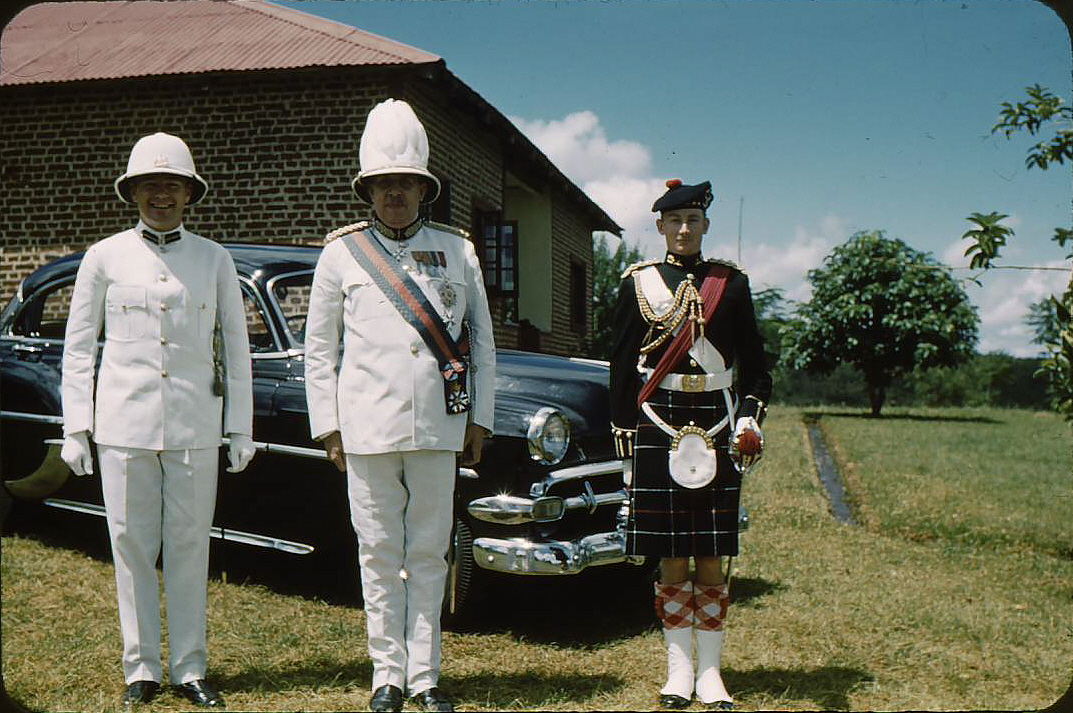
Huyo ni Lord Edward Twinning akiwa Babati,Tanganyika 1955,sasa mbali ya NYERERE nani angeweza kumkabili huyu???? Labda Mshume Kiatu?????????????????
367428630_4caa9a7ec4_o.jpg
 
[video]http://ispot.tv/a/7IKp[/video]

Check out the video

Thank you, Orville and Wilbur Wright, Amelia Earhart, Neil Armstrong, Buzz Aldrin for proving there's nowhere we can't go. Delta is looking beyond, pushing US aviation to new heights. While it saluting history, Delta is out there making it.

Sie tunataka ku salute history wakati hamna focus ku make it!
 
Status
Not open for further replies.
Back
Top Bottom