Birds, So Cute
You are using an out of date browser. It may not display this or other websites correctly.
You should upgrade or use an alternative browser.
You should upgrade or use an alternative browser.
Birds, So Cute
- Thread starter Amavubi
- Start date


Amavubi
JF-Expert Member
- Dec 9, 2010
- 30,154
- 13,267
- Thread starter
- #103
View attachment 74689
hata kwa Avatar afaa
hata kwa Avatar afaa
Amavubi
JF-Expert Member
- Dec 9, 2010
- 30,154
- 13,267
- Thread starter
- #104
[h=2]History[/h]Wanajifananisha na Eagle kwa sababu Eagle are powerfully.....
- During the Second Continental Congress of 1775, the delegates decided to adopt a national symbol. However, the only aspect that could be agreed upon was the motto "E pluribus unum." For the next six years, debates occurred as to what the national bird should be. Finally, in 1782, a drawing of the eagle was presented to congress, and congress approved it as the national symbol.
- The eagle was chosen due to its strength and long life-span. The founders hoped to convey a sense of strength and power for the country. Furthermore, the eagle was also chosen because it was mistakenly believed to live exclusively in America.
Read more: Why Is the Eagle the Symbol of America? | eHow.com Why Is the Eagle the Symbol of America? | eHow.com


Amavubi
JF-Expert Member
- Dec 9, 2010
- 30,154
- 13,267
- Thread starter
- #107
Dressing a Really Big Bird
Without turkeys, Big Bird would be naked. Big Bird, of Sesame Street fame, is actually dressed in turkey feathers. Although he is not a turkey, his costume is made of nearly 4,000 white turkey feathers, which have been dyed bright yellow.
The First Turkey Trot
In England, during the 1700's, turkeys were walked to market in large herds. Turkey farmers often covered the birds' feet with little booties to protect them on the long journey to the London market. Head ‘em up, move ‘em out.
Turkey: The National Bird?
 Ben Franklin thought the North American wild turkey should be the national bird. Of course, the turkey of his day was nothing like the domesticated descendants we know today. The wild turkey of Ben Franklin's day was a brightly plumed, cunning bird of fligh
Without turkeys, Big Bird would be naked. Big Bird, of Sesame Street fame, is actually dressed in turkey feathers. Although he is not a turkey, his costume is made of nearly 4,000 white turkey feathers, which have been dyed bright yellow.
The First Turkey Trot
In England, during the 1700's, turkeys were walked to market in large herds. Turkey farmers often covered the birds' feet with little booties to protect them on the long journey to the London market. Head ‘em up, move ‘em out.
Turkey: The National Bird?


Amavubi
JF-Expert Member
- Dec 9, 2010
- 30,154
- 13,267
- Thread starter
- #110

A Red-eyed Vireo sings more than 20,000 songs a day. A Pileated Woodpecker drums on a tree at 15 beats per second. A Wilson's Snipe dives through the air, the feathers on its wings vibrating to produce a winnowing sound, hu-hu-hu...

Mwanamalundi
JF-Expert Member
- Aug 30, 2007
- 3,126
- 1,440
Aiseeee!!! This issue is getting very serious.

Safari_ni_Safari
JF-Expert Member
- Oct 5, 2007
- 23,263
- 17,138
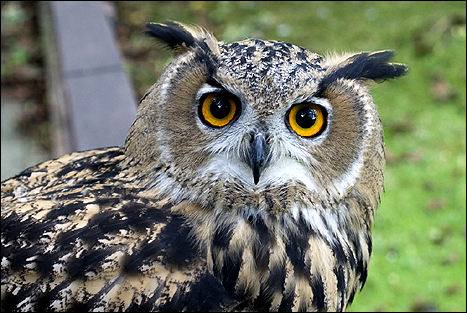
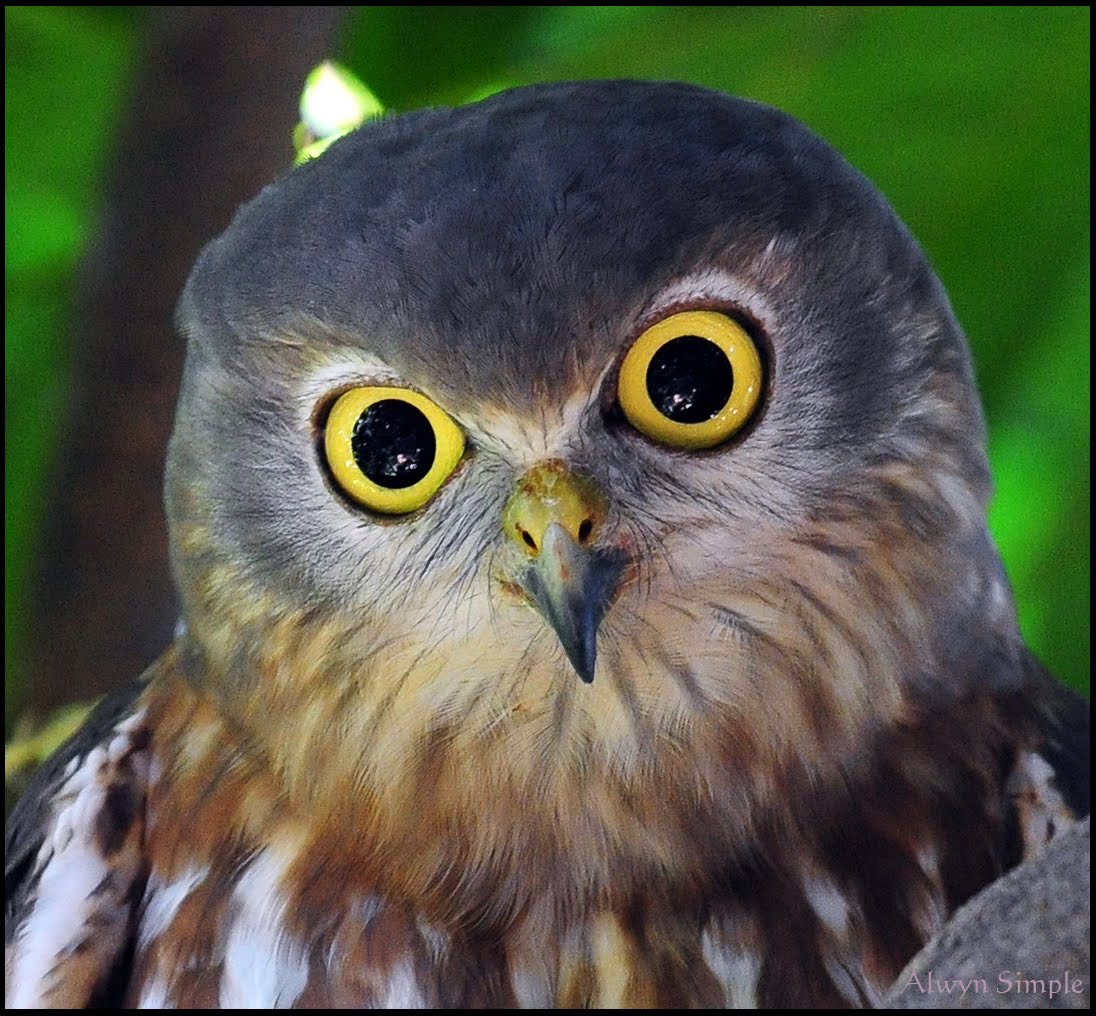
Naona wote mmemkwepa huyu......for obvious reasons.....but its just another bird......and in all fairness i like them!!

​
​


Similar Discussions
-
 Nimeangukia Demu wa Mtaani: Utamu Sijawahi ona!
- Started by Gunner11
- Replies: 110
-
Chadema toa TAMKO kuhusu hizi Tume zinazoundwa kuhusiana na mauaji ya 29.10.2026
- Started by Retired
- Replies: 2
-

-

