Maandamano nchi zima bila kikomo kudai No Reforms No Election 2025 yaanze rasmi hadi serikali na bunge lake lisalimu amri na kuleta mabadiliko kabla ya uchaguzi wa 2025
Njia za kuzuia au kukaribisha maandamano yasiyo na kikomo
When Dictators Fall: Preventing Violent Conflict During Transitions from Authoritarian Rule
Conflict Prevention and Management
OUTLINE
UN Photo/Albert González Farran
UNU-CPR RESEARCHERS: Adam Day, Luise Quaritsch
EXTERNAL RESEARCHERS: Dirk Druet
Why does one country peacefully transition out of authoritarian rule while another falls into violent conflict, and what can the UN do to influence pathways away from violence?
This paper concerns the transitions out of entrenched authoritarian rule, the often volatile moments when new leadership comes into power.
Some transitions take place peacefully, largely within constitutional order, but others may descend into civil unrest or even escalate into all-out civil war. In support the UN’s prevention mandate, this project is driven by the question, why does one country peacefully transition out of authoritarian rule while another falls into violent conflict, and what can the UN do to influence pathways away from violence?
This project draws on scholarship around authoritarianism and neo-patrimonial States as well as original research by United Nations University Centre for Policy Research into entrenched political systems. It identifies four key factors that may influence whether a transition tends to result in violent conflict
Entrenched authoritarian systems are those where a leader or group has centralized power and resources in a manner that limits meaningful political and economic inclusion, instrumentalizes key State institutions, reduces democratic space and often allows a specific individual to remain in power well beyond typical constitutional limits.
- past forms of rule (democratic or authoritarian);
- the way in which a political system transitions (e.g. through a coup, election, death, transfer of power or popular uprising);
- the fate of the individual leader, including questions of personal property and accountability for human rights abuses; and
- economic performance and the degree of inequality within a given society.
It further finds that, while all regime types have experienced both violent and peaceful transitions, those that are highly personalized (vesting power in an individual rather than institutions) tend to experience greater difficulties in moving into inclusive forms of governance, which may influence longer-term prospects for peace.
In exploring a comprehensive set of cases over the past 30 years, this project also makes some broader (and often counter-intuitive) findings about the role of violence in such transitions.
The transitions that occurred with the lowest levels of violence were in systems with some of the poorest governance indicators. In fact, countries at various points on the governance scale witnessed transitions that brought about dramatic and sustained change in the distribution of power with little or no violence, a finding which suggests that the quality of governance may not be directly linked to violence levels in transitions.
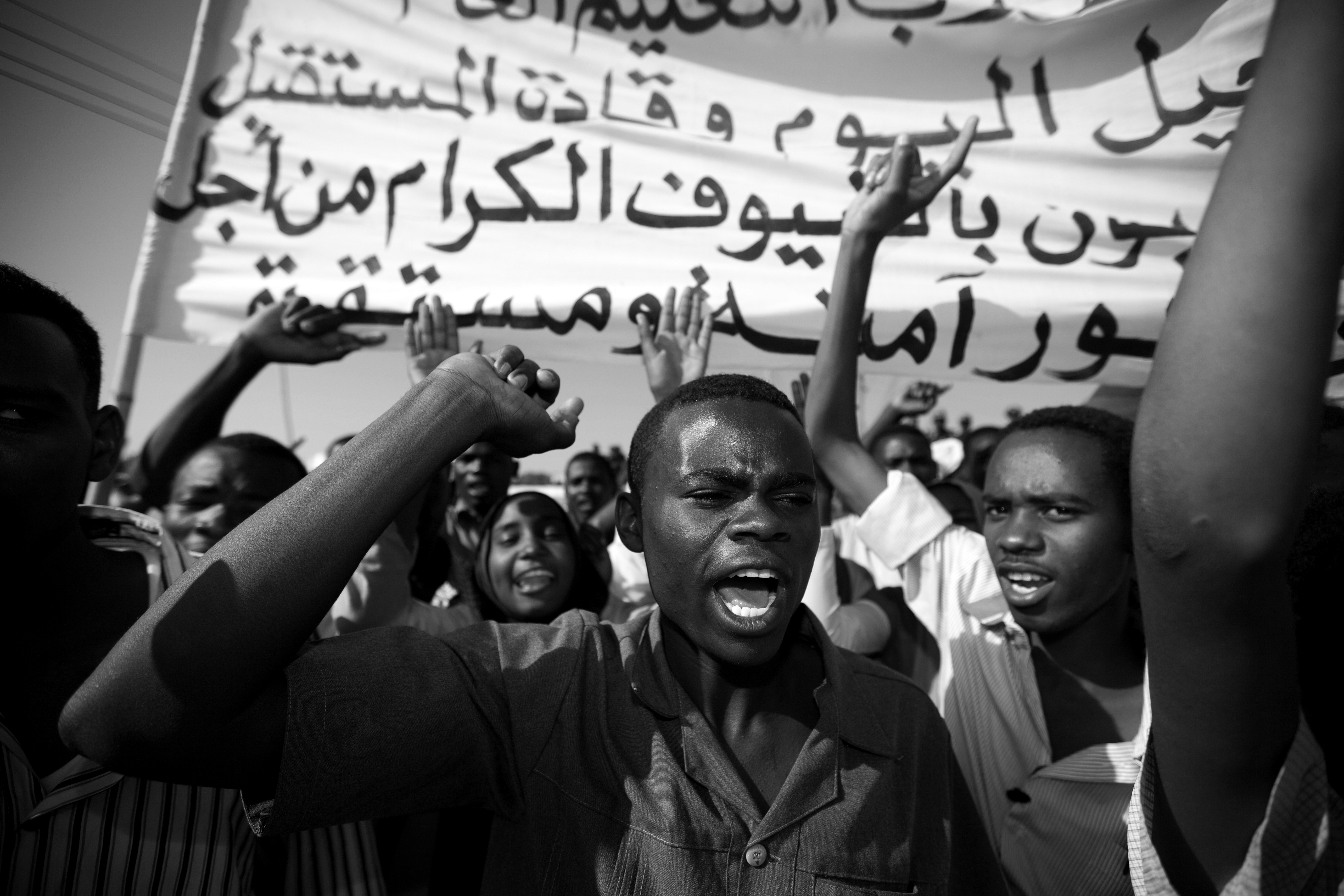
In contrast, two factors did appear to correlate with relatively high levels of violence: those involving foreign intervention, and transitions triggered by public uprisings. The significant rise in frequency of popular uprisings as the dominant form of transition in recent decades has meant that transitional moments have become more prone to large-scale violence. These findings raise significant questions about the role of external actors in transitional processes, and how the international community might engage before, during and after changes in leadership.
These trends in transitions present a complex and interrelated set of challenges for the UN, which often must balance its prevention mandate alongside respect for sovereignty and host State consent. The UN is often poorly placed to ramp up its prevention activities in entrenched authoritarian systems, in part because national leadership tends to be strongly resistant to engagement on politically sensitive subjects.
Additionally, these systems tend to have weak and/or highly politicized institutions, raising dilemmas for UN efforts to build institutional capacity as a hedge against violent conflict. UN leverage over the political leadership in-country is frequently constrained, given that authoritarian leaders tend to be isolated and less susceptible to traditional forms of pressure (e.g. sanctions or moral pressure). That said, there is strong evidence from this project’s case studies that the UN has engaged in creative and impactful practices in transitional settings, helping to reduce the risks of violence and building bridges towards longer-term outcomes.
Based on these findings,
the paper offers twelve conclusions and recommendations for the UN when confronted with transitional moments from entrenched authoritarian rule.
READ THEM
Source :
When Dictators Fall: Preventing Violent Conflict During Transitions from Authoritarian Rule - United Nations University Centre for Policy Research
767 Third Avenue, 35th Floor
New York, NY 10017
United States
.................................................................
Read More :
At first, the 2010s seemed full of hope for democracy. The picture today is rather more complicated.
After 37 years, a titan fall