Je, dhambi ilianzia wapi na mwisho wake ni UPI?

Je, dhambi ilianzia wapi na mwisho wake ni UPI?

Northman

JF-Expert Member
Joined
Dec 22, 2016
Posts
1,587
Reaction score
2,518
Wakuu kama swali linavyouliza hapo juu;
Nimekuwa nikipata mkanganyiko mkubwa pale ambapo nakutana na mjadala unaoelezea chanzo au mwanzo wa dhambi.

Nadharia ya kwanza ni kuwa chanzo cha dhambi ni pale kwenye bustani ya Eden baada ya Adam na Hawa kukubali kula tunda kutoka katika mti wa ujuzi wa mema na mabaya (ambalo Mungu aliwaambia wasile).Hoja hii imejengeka katika kitabu cha Mwanzo 3.

Lakini pia kuna nadharia ya pili ambayo inaonesha kuwa kulikuwa na vita kubwa Mbinguni, ambapo Shetani na Malaika wake walipigana na Mikaeli na Malaika wake, baada ya mapigano hayo Shetani alishindwa na kutupwa chini yeye pamoja na Malaika wake. Kwa maana hiyo hii nadharia inaonesha kuwa dhambi ilianzia mbinguni. Hoja hii imejengeka katika kitabu cha Ufunuo 12.
Lakini hoja ya pili huwa haizungumziwi sana kama chanzo cha dhambi.

Tukiachana na chanzo cha dhambi, ningependa kujua upi utakuwa ni mwisho wa dhambi kwa kuzingatia vitu vifuatavyo;
  • Je, hakutakuwa na kiumbe mwingine mbinguni atakayeileta dhambi tena.(Kama alivyofanya shetani hapo awali)
  • Je, hakutakuwa na binadamu wengine watakaoshindwa kutii maagizo kama Adam na Hawa?
  • Kitu gani kitazuia dhambi isitokee tena kama imewezekana kutokea wakati huu?
Karibuni wajuvi wa mambo muweze kunisaidia hapo;

Note: Nimetumia reference kibiblia kwasababu ndiyo ninayoijua lakini hiyo haizuii kutumika kwa reference kutoka katika Quran na vitabu vingine kama zipo.
 
Mimi huwa najiuliza upande wa malaika kama hawafanyi dhambi tena kama alivyofanya Ibilisi?
 
Mbona Lucifer alifanya dhambi? Kitu gani kitawazuia hawa wengine wasifanye dhambi?
Ndio hata mimi nauliza swali hilo hilo Lucifer malaika alifanya dhambi na akapata kundi la malaika wengine,je vp sasa malaika nao kama sisi tu muda mwengine hufanya dhambi?
 
Wakuu kama swali linavyouliza hapo juu;
Nimekuwa nikipata mkanganyiko mkubwa pale ambapo nakutana na mjadala unaoelezea chanzo au mwanzo wa dhambi.

Nadharia ya kwanza ni kuwa chanzo cha dhambi ni pale kwenye bustani ya Eden baada ya Adam na Hawa kukubali kula tunda kutoka katika mti wa ujuzi wa mema na mabaya (ambalo Mungu aliwaambia wasile).Hoja hii imejengeka katika kitabu cha Mwanzo 3.

Lakini pia kuna nadharia ya pili ambayo inaonesha kuwa kulikuwa na vita kubwa Mbinguni, ambapo Shetani na Malaika wake walipigana na Mikaeli na Malaika wake, baada ya mapigano hayo Shetani alishindwa na kutupwa chini yeye pamoja na Malaika wake. Kwa maana hiyo hii nadharia inaonesha kuwa dhambi ilianzia mbinguni. Hoja hii imejengeka katika kitabu cha Ufunuo 12.
Lakini hoja ya pili huwa haizungumziwi sana kama chanzo cha dhambi.

Tukiachana na chanzo cha dhambi, ningependa kujua upi utakuwa ni mwisho wa dhambi kwa kuzingatia vitu vifuatavyo;
  • Je, hakutakuwa na kiumbe mwingine mbinguni atakayeileta dhambi tena.(Kama alivyofanya shetani hapo awali)
  • Je, hakutakuwa na binadamu wengine watakaoshindwa kutii maagizo kama Adam na Hawa?
  • Kitu gani kitazuia dhambi isitokee tena kama imewezekana kutokea wakati huu?
Karibuni wajuvi wa mambo muweze kunisaidia hapo;

Note: Nimetumia reference kibiblia kwasababu ndiyo ninayoijua lakini hiyo haizuii kutumika kwa reference kutoka katika Quran na vitabu vingine kama zipo.
Tuanze kwa definitions kwanza.

Dhambi ni nini?

Tuje kwenye epistemology

e·pis·te·mol·o·gy
/əˌpistəˈmäləjē/
noun
PHILOSOPHY

  1. the theory of knowledge, especially with regard to its methods, validity, and scope. Epistemology is the investigation of what distinguishes justified belief from opinion.
Epistemology - Wikipedia

Kwa nini unafikiri habari za dhambi kuanzia bustani ya edeni ni sahihi na kweli, na si hadithi tu?
 
Dhambi ni nini?
Kwa muktadha wa kibiblia, Dhambi ni tendo, hisia, au wazo lolote linalopingana na viwango vya Mungu.
Kwa nini unafikiri habari za dhambi kuanzia bustani ya edeni ni sahihi na kweli, na si hadithi tu?
Pengine, kweli ni hadithi. Lakini pia sijaconclude kwamba ilianzia bustani ya Eden. Kama unajua ilianzia wapi mkuu unaweza kuelezea hapa.
 
dhambi ilianza bustani ya edeni yakiwa ni matokeo ya mawazo ya uasi ya kiumbe anaitwa shetani kwenye biblia haisemi popote kwa mbinguni kuliwahi kuwa na dhambi kabla ya hapo...
Waroma 5:12 Hiyo ndiyo sababu, kama vile kupitia mtu mmoja dhambi iliingia katika ulimwengu na kifo kupitia dhambi, basi kifo kikaenea kwa watu wote kwa sababu wote walikuwa wamefanya dhambi—.

Kuhusu malaika wao pia wana uhuru wa kuchagua wanaweza kutenda kila wanachopenda tunasoma kipindi cha Noa walijivika miili ya binadamu wakafanya uzinzi yaani dhambi matokeo waliyoyapata yametajwa kwenye 2Petro2:4 Hakika Mungu hakujizuia kuwaadhibu malaika waliofanya dhambi, bali aliwatupa ndani ya Tartaro, akiwaweka kwenye minyororo ya giza zito ili wawekwe akiba kwa ajili ya hukumu.

mwisho wa dhambi ni kifo
 
dhambi ilianza bustani ya edeni yakiwa ni matokeo ya mawazo ya uasi ya kiumbe anaitwa shetani kwenye biblia haisemi popote kwa mbinguni kuliwahi kuwa na dhambi kabla ya hapo...
Waroma 5:12 Hiyo ndiyo sababu, kama vile kupitia mtu mmoja dhambi iliingia katika ulimwengu na kifo kupitia dhambi, basi kifo kikaenea kwa watu wote kwa sababu wote walikuwa wamefanya dhambi—.

Kuhusu malaika wao pia wana uhuru wa kuchagua wanaweza kutenda kila wanachopenda tunasoma kipindi cha Noa walijivika miili ya binadamu wakafanya uzinzi yaani dhambi matokeo waliyoyapata yametajwa kwenye 2Petro2:4 Hakika Mungu hakujizuia kuwaadhibu malaika waliofanya dhambi, bali aliwatupa ndani ya Tartaro, akiwaweka kwenye minyororo ya giza zito ili wawekwe akiba kwa ajili ya hukumu.

mwisho wa dhambi ni kifo
Mkuu huu uasi wa shetani aliufanya wakati yuko wapi?
 
Wakuu kama swali linavyouliza hapo juu;
Nimekuwa nikipata mkanganyiko mkubwa pale ambapo nakutana na mjadala unaoelezea chanzo au mwanzo wa dhambi.

Nadharia ya kwanza ni kuwa chanzo cha dhambi ni pale kwenye bustani ya Eden baada ya Adam na Hawa kukubali kula tunda kutoka katika mti wa ujuzi wa mema na mabaya (ambalo Mungu aliwaambia wasile).Hoja hii imejengeka katika kitabu cha Mwanzo 3.

Lakini pia kuna nadharia ya pili ambayo inaonesha kuwa kulikuwa na vita kubwa Mbinguni, ambapo Shetani na Malaika wake walipigana na Mikaeli na Malaika wake, baada ya mapigano hayo Shetani alishindwa na kutupwa chini yeye pamoja na Malaika wake. Kwa maana hiyo hii nadharia inaonesha kuwa dhambi ilianzia mbinguni. Hoja hii imejengeka katika kitabu cha Ufunuo 12.
Lakini hoja ya pili huwa haizungumziwi sana kama chanzo cha dhambi.

Tukiachana na chanzo cha dhambi, ningependa kujua upi utakuwa ni mwisho wa dhambi kwa kuzingatia vitu vifuatavyo;
  • Je, hakutakuwa na kiumbe mwingine mbinguni atakayeileta dhambi tena.(Kama alivyofanya shetani hapo awali)
  • Je, hakutakuwa na binadamu wengine watakaoshindwa kutii maagizo kama Adam na Hawa?
  • Kitu gani kitazuia dhambi isitokee tena kama imewezekana kutokea wakati huu?
Karibuni wajuvi wa mambo muweze kunisaidia hapo;

Note: Nimetumia reference kibiblia kwasababu ndiyo ninayoijua lakini hiyo haizuii kutumika kwa reference kutoka katika Quran na vitabu vingine kama zipo.
Nijaribu kuongezea " mara baada ya kula tunda Eden kuna sehemu inasema 'adam na hawa walifukuzwa na wakawekwa malaika walinzi' kwani wangeweza kula tunda la mti wa uzima wa milele wakaishi daima", kama sijakosea inasemekana baada ya ulaji wa tunda adam na eva wakawa kama aliye/ walio waumba isipokua tu walisahau kula na tunda la mti wa uzima wa milele. Hivyo basi kwa mantiki hiyo dhambi zitakuwepo hata huko
cc zitto jr, life coded, eiyer
 
Kwa muktadha wa kibiblia, Dhambi ni tendo, hisia, au wazo lolote linalopingana na viwango vya Mungu.

Pengine, kweli ni hadithi. Lakini pia sijaconclude kwamba ilianzia bustani ya Eden. Kama unajua ilianzia wapi mkuu unaweza kuelezea hapa.
Muktadha wa Biblia hauna mashiko, ni hadithi za Wayahudi zilizojaa contradictions, kwa sababu zimetungwa na watu kama mimi na wewe tu.

Unaelewa hilo?

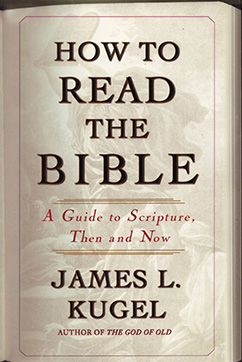
Na hayo sijasema mimi, wanasema wataalamu wa kuisoma Bibliana vitabu vya zamani vya Kiyahudi, wataalam kama Dr James L Kugel aliyefundisha somo la kusoma Biblia mpaka Harvard University na kuandika kitabu cha jinsi ya kusoma Biblia.

Kinaitwa "How To Read The Bible: A Guide To Scripture Then and Now"

James Kugel - Wikipedia

James Kugel

How to Read the Bible

howToReadTheBible.jpg


How to Read the Bible
A Guide to Scripture, Then and Now
READ AN EXCERPT

Scholars from different fields have joined forces to reexamine every aspect of the Hebrew Bible. Their research, carried out in universities and seminaries in Europe and America, has revolutionized our understanding of almost every chapter and verse. But have they killed the Bible in the process?

In How to Read the Bible, Harvard professor James Kugel leads the reader chapter by chapter through the “quiet revolution” of recent biblical scholarship, showing time and again how radically the interpretations of today’s researchers differ from what people have always thought.

The story of Adam and Eve, it turns out, was not originally about the “Fall of Man,” but about the move from a primitive, hunter-gatherer society to a settled, agricultural one. As for the stories of Cain and Abel, Abraham and Sarah, and Jacob and Esau, these narratives were not, at their origin, about individual people at all but, rather, explanations of some feature of Israelite society as it existed centuries after these figures were said to have lived. Dinah was never raped — her story was created by an editor to solve a certain problem in Genesis. In the earliest version of the Exodus story, Moses probably did not divide the Red Sea in half; instead, the Egyptians perished in a storm at sea. Whatever the original Ten Commandments might have been, scholars are quite sure they were different from the ones we have today. What’s more, the people long supposed to have written various books of the Bible were not, in the current consensus, their real authors: David did not write the Psalms, Solomon did not write Proverbs or Ecclesiastes; indeed, there is scarcely a book in the Bible that is not the product of different, anonymous authors and editors working in different periods.

Such findings pose a serious problem for adherents of traditional, Bible-based faiths. Hiding from the discoveries of modern scholars seems dishonest, but accepting them means undermining much of the Bible’s reliability and authority as the word of God. What to do? In his search for a solution, Kugel leads the reader back to a group of ancient biblical interpreters who flourished at the end of the biblical period. Far from naïve, these interpreters consciously set out to depart from the original meaning of the Bible’s various stories, laws, and prophecies — and they, Kugel argues, hold the key to solving the dilemma of reading the Bible today.

How to Read the Bible is, quite simply, the best, most original book about the Bible in decades. It offers an unflinching, insider’s look at the work of today’s scholars, together with a sustained consideration of what the Bible was for most of its history — before the rise of modern scholarship. Readable, clear, often funny but deeply serious in its purpose, this is a book for Christians and Jews, believers and secularists alike. It offers nothing less than a whole new way of thinking about sacred Scripture.


Biography
James Kugel was the Starr Professor of Hebrew Literature at Harvard University for twenty-one years. He retired from Harvard to become Professor of Bible at Bar Ilan University in Israel, where he also served as chairman of the Department of Bible.

A specialist in the Hebrew Bible and the Dead Sea Scrolls, Kugel is the author of more than eighty research articles and fifteen books, including The Idea of Biblical Poetry, In Potiphar’s House, On Being a Jew, and The Bible As It Was(this last the winner of the Grawemeyer Prize in Religion in 2001). His more recent books include The God of Old, The Ladder of Jacob, How to Read the Bible, awarded the National Jewish Book Award for the best book of 2007, In the Valley of the Shadow, and A Walk Through Jubilees. He is a member of the Society of Biblical Literature, and Editor-in-chief of Jewish Studies: an Internet Journal.
Bible Department
Bar Ilan University
52900 Ramat Gan, Israel
telephone: +9722 672-2197
website: www.jameskugel.com
email: jlk@jameskugel.com
1. Born: August 22, 1945, New York, N.Y. I am married and have four children.
2. Education: Yale University, B.A. (1968)
Harvard University, Junior Fellow (1972-76)
City University of New York, Ph. D. (1978)
3. Areas of interest: Hebrew Bible; history of biblical exegesis; Judaism.
4. Positions held: Andrew Mellon Faculty Fellow, City University (1978-79)
Lecturer, Harvard University (1979-80)
Assistant Professor, Religious Studies and Comparative Literature, Yale University (1980-82); Associate Professor (1982)
Starr Professor of Hebrew Literature, Harvard University (1982-2003)
Professor of Bible, Bar Ilan University (1992-2013)
Professor Emeritus, Bar Ilan University, 2014—
5. Memberships and Offices:
Poetry Editor, Harper’s Magazine (1972-4)
Co-founder and associate editor, Prooftexts: A Journal of Jewish Literary History (1981-2000)
Executive Board, Association for Jewish Studies (1983-84)
Chairman, Department of Near Eastern Languages, Harvard University (1987-91)
Director, Center for Jewish Studies, Harvard University (1996-2001)
Editorial Board, Jewish Studies Quarterly (1993-2003)
Member, American Academy for Jewish Research (1999-2003)
Founder and editor-in-chief, Jewish Studies: an Internet Journal (2002- present)
Director, Institute for the History of the Jewish Bible, Bar Ilan University (2003-10)
Chairman, Department of Bible, Bar-Ilan University (2006-09)
Editorial Board, Themes in Biblical Narrative – Jewish and Christian Traditions (series, Brill Publications, Leiden)
Editorial Board, פרשנות ובקורת (Bar Ilan)
Editorial Board, שנתון המקרא (Jerusalem)
Editorial Board, Biblische Notizen—Neue Folge (Vienna) (2010-present)
Editorial Directorate, מוסד ביאליק מו”ל
Editorial Board, Journal of Ancient Judaism (2011-present)
6. Awards and Prizes: Phi Beta Kappa (1968), Wrexham Prize (1968), Fulbright Graduate Fellowship (1968), Danforth Graduate Fellowship (1968), Woodrow Wilson Fellow (1968), Bryant Dissertation Prize (1977), A. Mellon Fellow (1977), Ingram Merrill Fellow (1978), S. F. Morse Faculty Fellow (1981-82). The Idea of Biblical Poetry was supported by awards from the F. Hilles and A. W. Griswold Funds, and received the book prize of the American Jewish Committee (1982). Research for In Potiphar’s House was sponsored by a grant from the National Endowment for the Humanities (1988-89). The Bible As It Was was supported by awards from the Alan M. Stroock Publication Fund for Jewish Studies and a grant from the Littauer Foundation. It was among five finalists for the National Book Critics Circle Award in the category of General Nonfiction. Traditions of the Biblewas honored with a special session at the 1999 Society of Biblical Literature convention. The Bible As It Was and Traditions of the Bible were jointly awarded the $200,000 Grawemeyer Award for the best book in Religion, 2001. How to Read the Bible was awarded the prize for the best book in any category by the National Jewish Book Awards, 2007. It was chosen as one of the New York Times “Best Books of 2007, All Categories.” Outside the Bible, coedited with Louis Feldman and Lawrence Schiffman, was just awarded the National Jewish Book Award for Scholarship, 2014.
 
Muktadha wa Biblia hauna mashiko, ni hadithi za Wayahudi zilizojaa contradictions, kwa sababu zimetungwa na watu kama mimi na wewe tu.

Unaelewa hilo?

Na hayo sijasema mimi, wanasema wataalamu wa kuisoma Bibliana vitabu vya zamani vya Kiyahudi, wataalam kama Dr James L Kugel aliyefundisha somo la kusoma Biblia mpaka Harvard University na kuandika kitabu cha jinsi ya kusoma Biblia.

Kinaitwa "How To Read The Bible: A Guide To Scripture Then and Now"

James Kugel - Wikipedia

James Kugel

How to Read the Bible

howToReadTheBible.jpg


How to Read the Bible
A Guide to Scripture, Then and Now
READ AN EXCERPT

Scholars from different fields have joined forces to reexamine every aspect of the Hebrew Bible. Their research, carried out in universities and seminaries in Europe and America, has revolutionized our understanding of almost every chapter and verse. But have they killed the Bible in the process?

In How to Read the Bible, Harvard professor James Kugel leads the reader chapter by chapter through the “quiet revolution” of recent biblical scholarship, showing time and again how radically the interpretations of today’s researchers differ from what people have always thought.

The story of Adam and Eve, it turns out, was not originally about the “Fall of Man,” but about the move from a primitive, hunter-gatherer society to a settled, agricultural one. As for the stories of Cain and Abel, Abraham and Sarah, and Jacob and Esau, these narratives were not, at their origin, about individual people at all but, rather, explanations of some feature of Israelite society as it existed centuries after these figures were said to have lived. Dinah was never raped — her story was created by an editor to solve a certain problem in Genesis. In the earliest version of the Exodus story, Moses probably did not divide the Red Sea in half; instead, the Egyptians perished in a storm at sea. Whatever the original Ten Commandments might have been, scholars are quite sure they were different from the ones we have today. What’s more, the people long supposed to have written various books of the Bible were not, in the current consensus, their real authors: David did not write the Psalms, Solomon did not write Proverbs or Ecclesiastes; indeed, there is scarcely a book in the Bible that is not the product of different, anonymous authors and editors working in different periods.

Such findings pose a serious problem for adherents of traditional, Bible-based faiths. Hiding from the discoveries of modern scholars seems dishonest, but accepting them means undermining much of the Bible’s reliability and authority as the word of God. What to do? In his search for a solution, Kugel leads the reader back to a group of ancient biblical interpreters who flourished at the end of the biblical period. Far from naïve, these interpreters consciously set out to depart from the original meaning of the Bible’s various stories, laws, and prophecies — and they, Kugel argues, hold the key to solving the dilemma of reading the Bible today.

How to Read the Bible is, quite simply, the best, most original book about the Bible in decades. It offers an unflinching, insider’s look at the work of today’s scholars, together with a sustained consideration of what the Bible was for most of its history — before the rise of modern scholarship. Readable, clear, often funny but deeply serious in its purpose, this is a book for Christians and Jews, believers and secularists alike. It offers nothing less than a whole new way of thinking about sacred Scripture.


Biography
James Kugel was the Starr Professor of Hebrew Literature at Harvard University for twenty-one years. He retired from Harvard to become Professor of Bible at Bar Ilan University in Israel, where he also served as chairman of the Department of Bible.

A specialist in the Hebrew Bible and the Dead Sea Scrolls, Kugel is the author of more than eighty research articles and fifteen books, including The Idea of Biblical Poetry, In Potiphar’s House, On Being a Jew, and The Bible As It Was(this last the winner of the Grawemeyer Prize in Religion in 2001). His more recent books include The God of Old, The Ladder of Jacob, How to Read the Bible, awarded the National Jewish Book Award for the best book of 2007, In the Valley of the Shadow, and A Walk Through Jubilees. He is a member of the Society of Biblical Literature, and Editor-in-chief of Jewish Studies: an Internet Journal.
Bible Department
Bar Ilan University
52900 Ramat Gan, Israel
telephone: +9722 672-2197
website: www.jameskugel.com
email: jlk@jameskugel.com
1. Born: August 22, 1945, New York, N.Y. I am married and have four children.
2. Education: Yale University, B.A. (1968)
Harvard University, Junior Fellow (1972-76)
City University of New York, Ph. D. (1978)
3. Areas of interest: Hebrew Bible; history of biblical exegesis; Judaism.
4. Positions held: Andrew Mellon Faculty Fellow, City University (1978-79)
Lecturer, Harvard University (1979-80)
Assistant Professor, Religious Studies and Comparative Literature, Yale University (1980-82); Associate Professor (1982)
Starr Professor of Hebrew Literature, Harvard University (1982-2003)
Professor of Bible, Bar Ilan University (1992-2013)
Professor Emeritus, Bar Ilan University, 2014—
5. Memberships and Offices:
Poetry Editor, Harper’s Magazine (1972-4)
Co-founder and associate editor, Prooftexts: A Journal of Jewish Literary History (1981-2000)
Executive Board, Association for Jewish Studies (1983-84)
Chairman, Department of Near Eastern Languages, Harvard University (1987-91)
Director, Center for Jewish Studies, Harvard University (1996-2001)
Editorial Board, Jewish Studies Quarterly (1993-2003)
Member, American Academy for Jewish Research (1999-2003)
Founder and editor-in-chief, Jewish Studies: an Internet Journal (2002- present)
Director, Institute for the History of the Jewish Bible, Bar Ilan University (2003-10)
Chairman, Department of Bible, Bar-Ilan University (2006-09)
Editorial Board, Themes in Biblical Narrative – Jewish and Christian Traditions (series, Brill Publications, Leiden)
Editorial Board, פרשנות ובקורת (Bar Ilan)
Editorial Board, שנתון המקרא (Jerusalem)
Editorial Board, Biblische Notizen—Neue Folge (Vienna) (2010-present)
Editorial Directorate, מוסד ביאליק מו”ל
Editorial Board, Journal of Ancient Judaism (2011-present)
6. Awards and Prizes: Phi Beta Kappa (1968), Wrexham Prize (1968), Fulbright Graduate Fellowship (1968), Danforth Graduate Fellowship (1968), Woodrow Wilson Fellow (1968), Bryant Dissertation Prize (1977), A. Mellon Fellow (1977), Ingram Merrill Fellow (1978), S. F. Morse Faculty Fellow (1981-82). The Idea of Biblical Poetry was supported by awards from the F. Hilles and A. W. Griswold Funds, and received the book prize of the American Jewish Committee (1982). Research for In Potiphar’s House was sponsored by a grant from the National Endowment for the Humanities (1988-89). The Bible As It Was was supported by awards from the Alan M. Stroock Publication Fund for Jewish Studies and a grant from the Littauer Foundation. It was among five finalists for the National Book Critics Circle Award in the category of General Nonfiction. Traditions of the Biblewas honored with a special session at the 1999 Society of Biblical Literature convention. The Bible As It Was and Traditions of the Bible were jointly awarded the $200,000 Grawemeyer Award for the best book in Religion, 2001. How to Read the Bible was awarded the prize for the best book in any category by the National Jewish Book Awards, 2007. It was chosen as one of the New York Times “Best Books of 2007, All Categories.” Outside the Bible, coedited with Louis Feldman and Lawrence Schiffman, was just awarded the National Jewish Book Award for Scholarship, 2014.
Asante sana mkuu nitajaribu kuyapitia hayo machapisho nione nitapata kitu gani ndani yake.
 
Mkuu unaweza kuelezea ni kwanini iwe duniani sio mbinguni.
sijui ni kitabu gani unatumia lakini uasi wa kwanza ulirekodiwa kwenye bustani ya Edeni yapokuwa Shetani alikuwa mbiguni alimtumia nyoka kutekeleza tamaa yake...
hakuna mahali popote dhambi ilirekodiwa mapema zaidi ya kwenye Edeni
 

Similar Discussions

Back
Top Bottom