Harakati za wanyama na wadudu
You are using an out of date browser. It may not display this or other websites correctly.
You should upgrade or use an alternative browser.
You should upgrade or use an alternative browser.

Mshana Jr

Platinum Member
- Aug 19, 2012
- 375,744
- 870,523
- Thread starter
- #892
Lives in the rainforest of Borneo, it is the only pig that migrates thousands of kilometers in herds of up to 200 individuals and while doing so scatter seeds of some forest species especially from the family of large Dipterocarpacea, and also removes the surface of the earth accelerating decomposition of organic matter, cleans starch vegetation improving access to nutrients from tree roots.
It may seem ugly but it has done more for the planet than all of us.
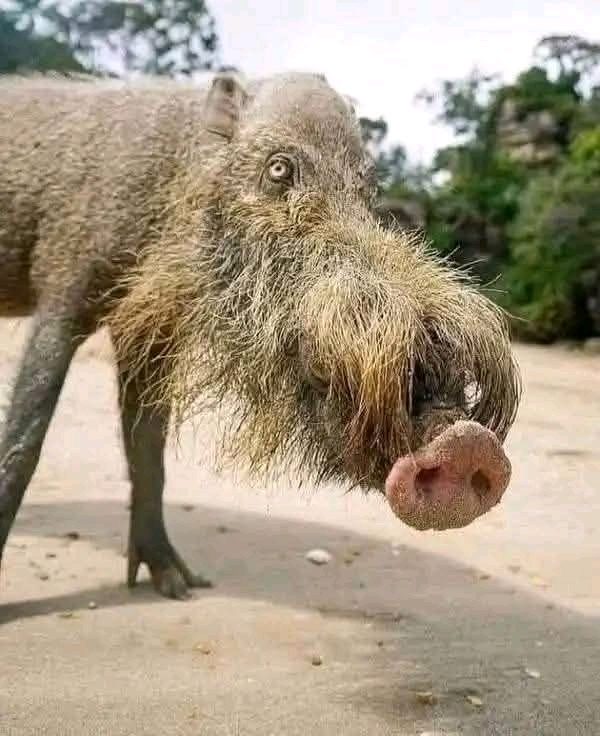
It may seem ugly but it has done more for the planet than all of us.
Mshana Jr
Platinum Member
- Aug 19, 2012
- 375,744
- 870,523
- Thread starter
- #893
He gently cradled the body.
Stroked its tiny limbs.
And when danger came… he ran to protect it.
But it wasn’t his baby.
It wasn’t even his species.
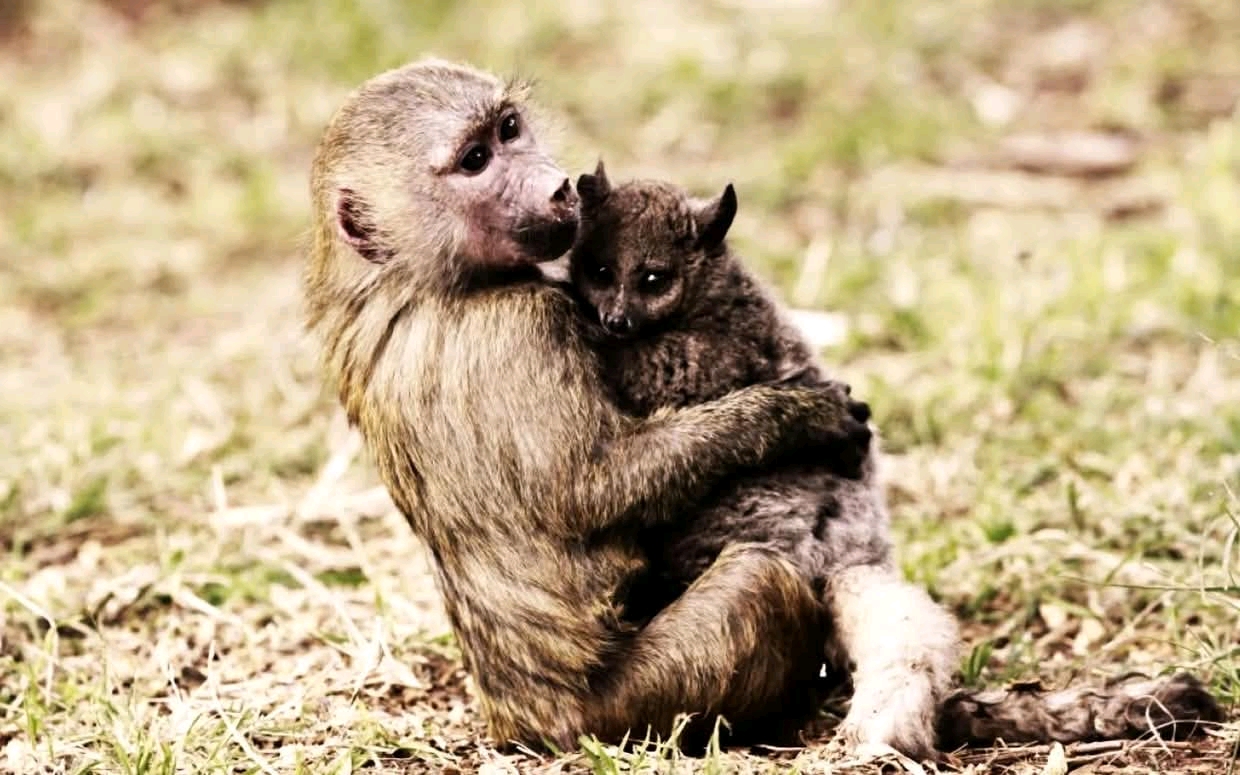
This is the haunting true story of a wild baboon who adopted a baby bushbuck — in the African wilderness.
In South Africa’s Kruger National Park, a group of tourists spotted a strange scene in 2020: a large male baboon carrying something across a rock.
At first, they thought it was prey.
But when they looked closer, their hearts stopped.
It wasn’t prey.
It was a tiny baby bushbuck — a type of antelope — barely days old.
What they witnessed over the next few hours was unlike anything seen in the wild.
The baboon wasn’t harming the bushbuck.
He was caring for it.
He groomed it.
Carried it gently like his own infant.
Protected it from other baboons.
Even when the baby tried to walk, the baboon held its hand, guiding it like a parent.
“It was like watching a human with a child,” one witness said.
“There was no aggression. Only tenderness.”
For over a day, he never let it out of his arms.
This kind of behavior has almost never been observed between predator and prey — let alone two completely unrelated species in the wild.
Why did he do it?
No one knows for sure.
Maybe he’d lost a baby of his own.
Maybe he just felt… empathy.
But for one brief moment in the heart of the wild, something profound happened:
A baboon, capable of violence, chose to love instead.
“Nature isn’t always brutal,” the wildlife guide said.
“Sometimes, it shows us who we should be.”
The baboon and the bushbuck —
a moment of pure compassion in the animal kingdom.
Stroked its tiny limbs.
And when danger came… he ran to protect it.
But it wasn’t his baby.
It wasn’t even his species.
This is the haunting true story of a wild baboon who adopted a baby bushbuck — in the African wilderness.
In South Africa’s Kruger National Park, a group of tourists spotted a strange scene in 2020: a large male baboon carrying something across a rock.
At first, they thought it was prey.
But when they looked closer, their hearts stopped.
It wasn’t prey.
It was a tiny baby bushbuck — a type of antelope — barely days old.
What they witnessed over the next few hours was unlike anything seen in the wild.
The baboon wasn’t harming the bushbuck.
He was caring for it.
He groomed it.
Carried it gently like his own infant.
Protected it from other baboons.
Even when the baby tried to walk, the baboon held its hand, guiding it like a parent.
“It was like watching a human with a child,” one witness said.
“There was no aggression. Only tenderness.”
For over a day, he never let it out of his arms.
This kind of behavior has almost never been observed between predator and prey — let alone two completely unrelated species in the wild.
Why did he do it?
No one knows for sure.
Maybe he’d lost a baby of his own.
Maybe he just felt… empathy.
But for one brief moment in the heart of the wild, something profound happened:
A baboon, capable of violence, chose to love instead.
“Nature isn’t always brutal,” the wildlife guide said.
“Sometimes, it shows us who we should be.”
The baboon and the bushbuck —
a moment of pure compassion in the animal kingdom.
Mshana Jr
Platinum Member
- Aug 19, 2012
- 375,744
- 870,523
- Thread starter
- #894
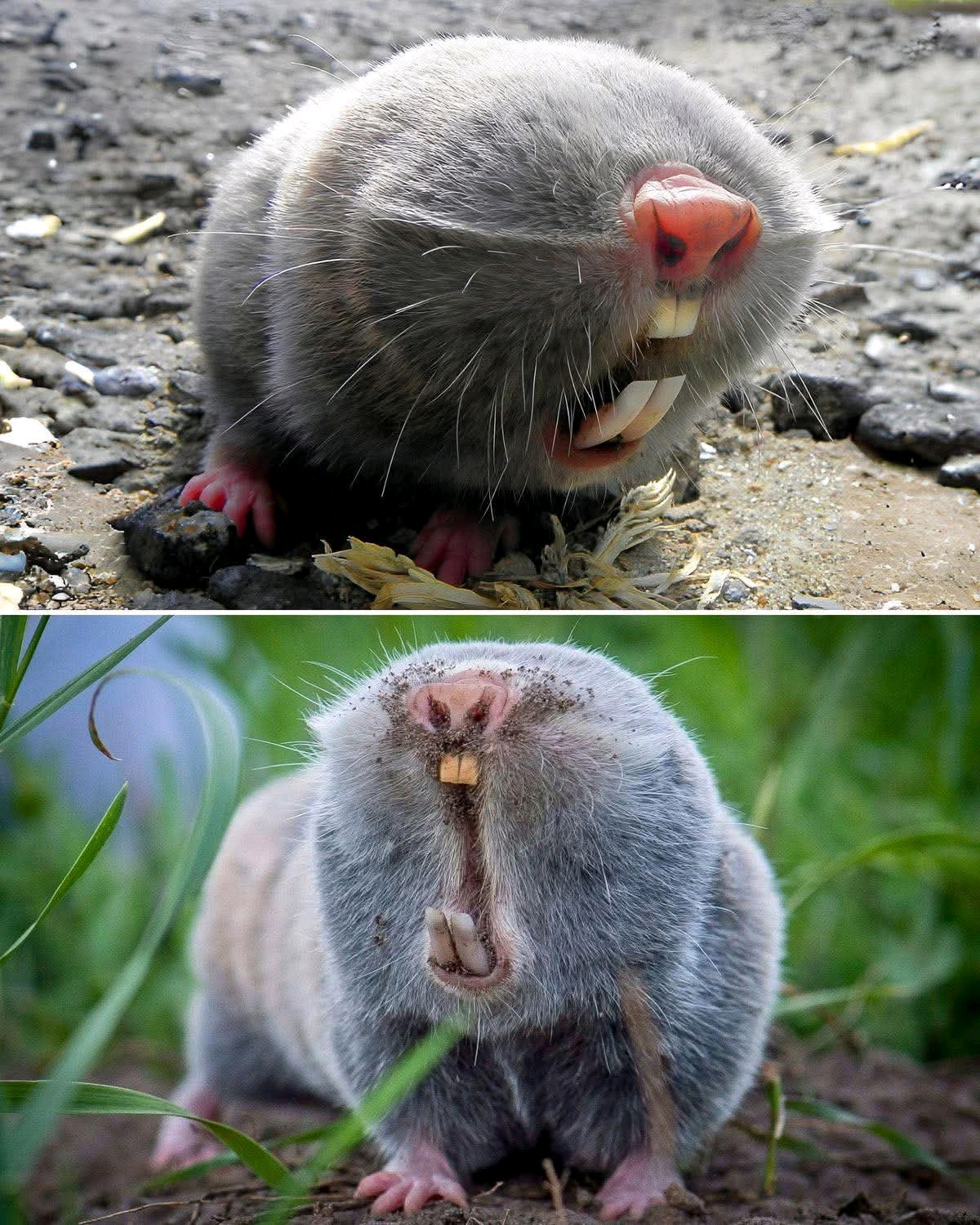
The blind mole rat is a fascinating underground mammal adapted to a life spent almost entirely beneath the surface. Belonging to the genus Spalax, blind mole rats are found in parts of Eastern Europe, the Middle East, and Central Asia. True to their name, they are blind, with eyes that are tiny, underdeveloped, and covered by skin. But what they lack in sight, they make up for in extraordinary hearing, touch, and smell.
Their bodies are built for digging—stocky and cylindrical, with powerful front limbs and large, chisel-like teeth that extend beyond their lips, allowing them to tunnel without swallowing dirt. Blind mole rats use these tunnels to find roots, tubers, and bulbs, which make up most of their diet.
One of the most amazing things about blind mole rats is their resistance to cancer. Studies have shown that these animals have unique genetic adaptations that help prevent the development of tumors, making them valuable to medical research.
Despite their secretive lifestyle, blind mole rats play a crucial ecological role by aerating soil and helping plant growth. Mysterious, tough, and evolutionarily unique, the blind mole rat is a true underground survivor and a marvel of nature.
Their bodies are built for digging—stocky and cylindrical, with powerful front limbs and large, chisel-like teeth that extend beyond their lips, allowing them to tunnel without swallowing dirt. Blind mole rats use these tunnels to find roots, tubers, and bulbs, which make up most of their diet.
One of the most amazing things about blind mole rats is their resistance to cancer. Studies have shown that these animals have unique genetic adaptations that help prevent the development of tumors, making them valuable to medical research.
Despite their secretive lifestyle, blind mole rats play a crucial ecological role by aerating soil and helping plant growth. Mysterious, tough, and evolutionarily unique, the blind mole rat is a true underground survivor and a marvel of nature.
Similar Discussions
-

-

-

-
-
 Je, umewahi kula mnyama ama wadudu gani Hadi ukajisemea nilikuwa wapi siku zote hizo? Nimekula wanyama wengi sana.
- Started by Nikifa MkeWangu Asiolewe
- Replies: 212