The Secret Plan For Kigali’s Transport System

The Secret Plan For Kigali’s Transport System

Kigali will be the first city in Africa where people are not free to choose what type of transport they want to use.Imagine you draw from the bank milions of money to pay your casual labourers.,Then you are forced by Kagame to use a bus instead of your car with bags of money you drew from the bank!!!!!

Some people like to live private live that is why they have private cars!!! Denying their right of privacy is dictorship of the highest level!!

Shangaa hapo, hata London sio kwamba wamepiga marufuku bali wameweka tozo maalum. Hawajakataza. Ni uzamani kuamuliana chombo cha kutumia.
 

002.jpg
Most residents in Kigali city will have to embrace public transport system as some streets within the city have been gazetted under the ‘car free zone'.
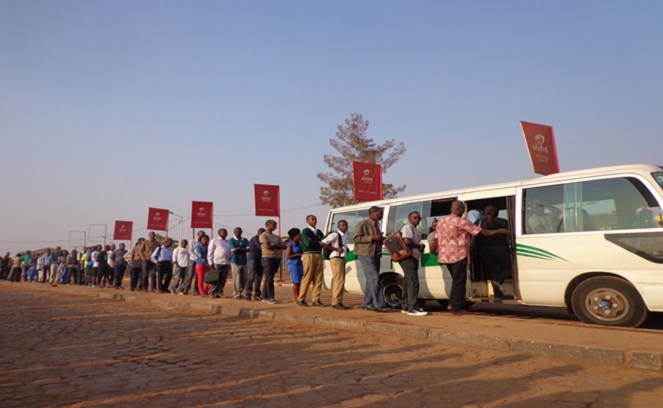
It is 5pm in Rwanda's capital Kigali as schools and business begin to close. Crowds of city dwellers converge at bus stations as the sun sets and orange road lights fade in.

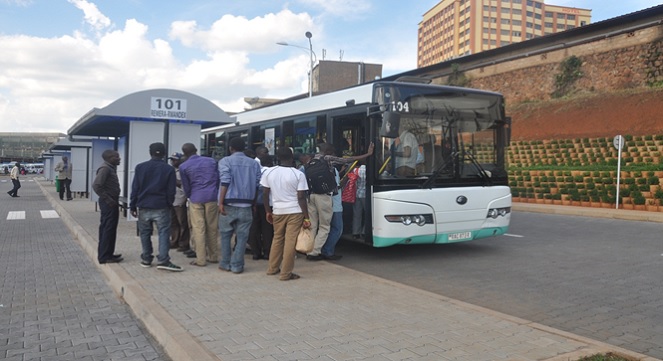
The long queues of commuters at bus stations seem never to end. The bus attendants issue tickets to queuing passengers as they board one after the other.

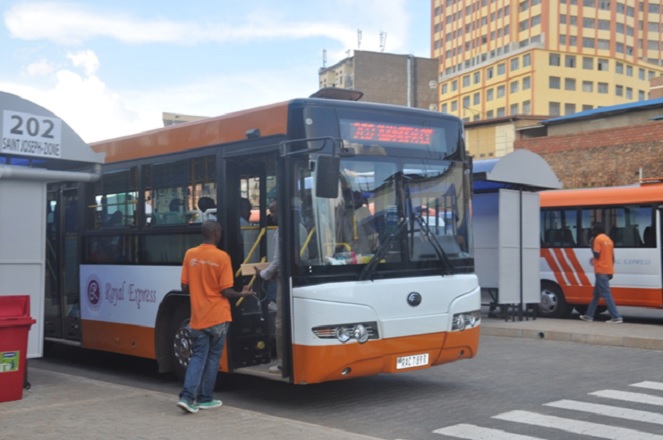
Other buses are coloured blue, orange and green corresponding with particular destinations. This helps the general public identify a particular bus enroute to their preferred destination.

The Yellow buses are new and are for students. They arrive at the terminals in intervals of five to ten minutes as passengers alight.
A bus starts a maximum 1 hour trip to the last bus stage on the black and white tarmac roads with lights, all over the 730 km² hilly Kigali at Rwf 200($0.2).

On board, some people with unfinished business keep sending e-mails; others find time for social media interactions. The buses are fitted with high speed internet known as ‘the 4th generation wireless internet.'

Francis Rangira 80, a veteran educationist is a witness to the evolution of Kigali's public transport from footpaths to tarmac roads plied by city buses.

"It is a miracle," he sums up as a man in his forties gives him priority to seat in a brand new bus in down town Taxi Park.
The Mayor of City of Kigali, Fidele Ndayisaba says nothing is for granted.

"We want every city dweller to make a bus their favorite means of transport, instead of spending heavily on a private cab."


Plan to build a new city
A clear idea to organize public transport in city of Kigali was hatched in 2010 in a master plan by Surbana Ltd, a Singaporean company which proposed in a detailed infrastructure plan of Kigali until year 2040.

The one million dollar project proposed six major reforms including a green transport project where 70% of city dwellers should use city buses, against cabs (30%); "because the smaller the cars in transport, the bigger the number required," says Bruno Rangira, the city of Kigali Spokesman.

Small cars increase congestion, leave alone air pollution, he said.

In August 2013, Kigali awarded Rwanda Federation of Transport Cooperatives (RFTC), Kigali Bus Services (KBS) and Royal Express a 5-year tender to ensure reliable transport for the 500,000 commuters in traffic every day.

Requirements included creating a transport network where a commuter does not spend more than five minutes at a bus stop. In the past, a bus was never reliable.

They also had to improve their customer care to clean a bad image of a bus crew which used to abuse commuters or bother them with poor hygiene.

Transport had to be consistent from 5am to 11pm, ending an irresponsibility of transporters who could stop business during pick hours.

However, there were no bus fleets for this ambitious target, except 400 cars largely 18 seats mini buses.

Companies ordered for 60-seater buses from Hyundai, and Yutong, the automobile brands from South Korea and China.

Nilla Muneza, the Royal Express boss with 100 buses secured a $ 2.3 million loan from Ecobank and Bank of Kigali to reimburse in four years, with an interest rate of 19%.

He shipped the buses worth Rwf 100 million ($137,877) each, without customs fee because public transport is among priority sectors which are exempted.

Muneza told KT Press, one bus earns him up to Rwf 60,000 per day, making a total Rwf 6 million ($8,273) daily.
"Transport becomes a business where someone can venture proudly, the order in the sector is helping us to make return without much harm," says Muneza.

Other companies also imported buses, increasing the number to 813 buses in Kigali today, against a total 3,040 buses in the traffic countrywide, according to Rwanda Utility Regulatory Authority (RURA).


Kigali city Authorities will effective August 24 suspend cars from the central business district area.

Car-Free-Zone
Effective August 24, no car will be allowed in the heart of the city. Except special services vehicles, others are prohibited in the streets of the declared ‘Car-Free Zone.'

Luben Ahimbissibwe, director of infrastructure in the city told KT Press that, "Normally, a city is for people not vehicles. We want to turn Kigali into a pedestrian-friendly city".

The rapidly growing city of 1.1 million residents has gazetted some streets to create a ‘car free zone'.

Ahimbisibwe told KT Press that the decision to avoid city traffic "Is to maintain green transport and sustainability of the city."
The city said pedestrians will enjoy green infrastructure and free high speed internet.

"We will establish designed rest posts with free WiFi internet services for pedestrians…People will be walking a minimum of 500 meters and will need to rest," Luben told KT Press.

Smart transport
Meanwhile, before the Car-Free-Zone, Kigali transport system has undergone several inovations. The city hired Olleh Rwanda, a South Korean IT company to enroll Wi-Fi internet in all buses, at a cost of Rwf 3000 ($4) per bus daily, according to Muneza.

In another deal transport operators hired Ericsson an international IT company to install a system that will allow cashless payment. Ericsson will earn Rwf 3 from every passenger boarding.

Ericsson system will also allow tracking of buses in traffic.


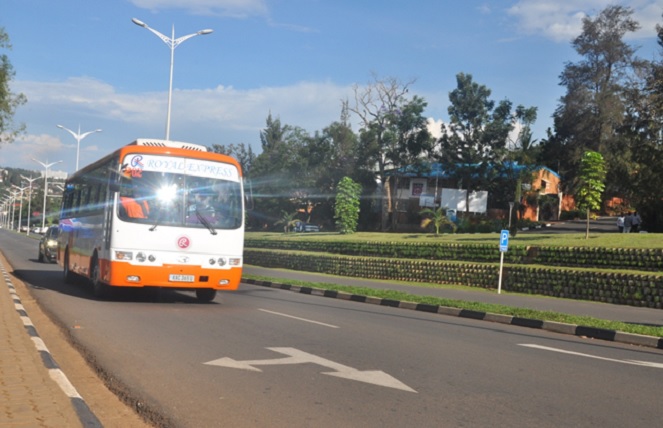
A passenger bus on one of the roads in Kigali city. The city has organized transport

Bus dedicated lanes
Kigali is still struggling with increasing traffic jams, which, in many instances delays buses to pick passengers from some stages. Kigali is constructing more roads to decrease congestion, despite high costs in construction due to rolling terrain and heavy rainfall.

A World Bank report 2012 indicates that construction of one kilometer of a paved road in Rwanda may cost up to $ 6,139 compared to Tanzania and Ethiopia with $ 348,209 and $322,373 respectively.

Projects in pipeline include a Bus Rapid Transit (BRT) destined exclusively to buses with 100 seating capacity.

Coming from far away
Kigali started having some form of public transport since 1970s, when the 18-seater Toyota Hiace omnibuses arrived in Rwanda.
Simultaneously, Nissan UD buses with 60 seats came in as a donation from Japan for transport of civil servants and for the shabby roads upcountry.

Currently, government is looking for a bidder to take the buses because it failed to manage their operations.

Meanwhile, order keeps improving with private companies taking up the opportunities in transport.

"Unfortunately I won't enjoy this development for so long because I am old," says Rangira.


Source: KT Press


Asante sana mkuu mchambawima1.

Ndugu zangu MK254 sam999 maswety Jack Daniel's mukuje huku muone nilichokuwa ninakisema hapo awali. LOL
 
Last edited by a moderator:
Kigali will be the first city in Africa where people are not free to choose what type of transport they want to use.Imagine you draw from the bank milions of money to pay your casual labourers.,Then you are forced by Kagame to use a bus instead of your car with bags of money you drew from the bank!!!!!

Some people like to live private live that is why they have private cars!!! Denying their right of privacy is dictorship of the highest level!!

Mkuu, you are very wrong here.

Look at the so-called developed cities of the world and their levels of congestion. Do you want us to get there? Kigali is not only a model for Africa BUT the world.

Please let me know if you need more elaboration. I happen to make a living doing this stuff.
 
Hebu fikiria una watoto wadogo wawili wanaosoma shule tofauti. Kwa gari yako ungeweza kuwakimbiza chap chap huku na kule. Lakini kwa amri ya kagame unalazimika upande nao basi.Ushuke ,Utembee kwa miguu hadi shule ya mtoto wa kwanza maana mabasi yanashusha watu njiani hayawafikishi shule halafu tena uchukue basi lingine na huyo mtoto mwingine upeleke huyo mwingine kwingine halafu ndio kama ni mfanyakazi upande basi lingine uelekee kazini.Si mateso na gharama kubwa hizo.Kuwapitia tena uanze utaratibu ule ule.Si mateso hayo

mkuu si umeona wana-introduce yellow school buses. Nchi zote zilizoendelea wanapeleka watoto wao shule kwa mabasi ya shule - bure.
 
mkuu si umeona wana-introduce yellow school buses. Nchi zote zilizoendelea wanapeleka watoto wao shule kwa mabasi ya shule - bure.
School buses hizo za yellow ziko duniani kote ziwe za kulipia au bure hata Tanzania yellow buses zipo kwenye baadhi ya mashule.Lakini uwepo wa bus hizo hauzuii mzazi mwenye upendo na mwanae kumpeleka kwa gari yake.Hata uingereza mfano tony blair akiwa waziri mkuu bado alikuwa akimpeleka mwanae shule kila siku yeye mwenyewe kwa gari yake pamoja na kuwepo yellow buses kibao!!!

Swala ninalopinga ni kuingilia uhuru na demokrasia ya mtu binafsi kujiamulia aende na gari yake au basi.Mwanae apande gari ya shule au ampeleke mwenyewe? Mfano tanzania mabasi ya shule baadhi ya shule wanayo na nauli inakuwemo kwenye ada ya shule ya kila mwanafunzi.Lakini pamoja na hilo mzazi unakuta hataki mwanae apande gari ya shule pamoja na kuwa kalipa anataka ampeleke na kumrudisha mwenyewe.Ni personal choice.Ninachokataa ni udikiteta wa kulazimishana kwenye ulimwengu wa demokrasia iliyoko sasa.
 
Sera ya kupunguza magari private si nzuri hata kwa uchumi.Sehemu kubwa ya kodi za serikali hutokana na mafuta hasa ya petrol.Magari yanavyokuwa mengi yakitumia petrol ndivyo serikali inapata pesa nyingi sana za kodi za kujenga miundombinu kama barabara n.k

Nchi zinazozingatia demokrasia huwezi mpangia mtu apande gari gani!!!! Mabasi yanavyojaa,watu kunukiana majasho,kukoholiana,kujambiana ushuzi bila kusahau vibaka wa mifukoni ukipanda,ukiwa ndani ya basi na ukishuka sidhani kupiga marufuku private cars ni kuwatendea watu haki


Mkuu, kadri magari binafsi yanavyo ongezeka ndio mafuta mengi yanavyotumika na ndio polution kubwa inavyoongezeka (bila ya kusema muda mkubwa unaopotezwa barabarani) na wale wasioendesha magari mitaani huathirika kwa afya. Kwa kuwa wewe una uwezo wa kumiliki gari hakukupi wewe uhuru wa kunipa mimi msaga lami maradhi ya polution unayoitoa hewani.

Demokrasia!! Wewe mwenye gari unao uhuru (demokrasia yako) ya kuendesha gari lako. Je mimi mlalahoi demokrasia yangu ya kutoathiriwa na moshi wa gari lako iko wapi?

Kama ni usafi wa ndani ya mabasi hilo tunaweza kulizungumzia lakini sio sababu ya kupoteza masaa kadhaa kusafiri barabarani (kwa ajili ya msongo) eti kwa sababu wachache wanataka kukaa kwenye viyoyozi vya BMW zao.
 
hebu fikiria una watoto wadogo wawili wanaosoma shule tofauti. Kwa gari yako ungeweza kuwakimbiza chap chap huku na kule. Lakini kwa amri ya kagame unalazimika upande nao basi.ushuke ,utembee kwa miguu hadi shule ya mtoto wa kwanza maana mabasi yanashusha watu njiani hayawafikishi shule halafu tena uchukue basi lingine na huyo mtoto mwingine upeleke huyo mwingine kwingine halafu ndio kama ni mfanyakazi upande basi lingine uelekee kazini.si mateso na gharama kubwa hizo.kuwapitia tena uanze utaratibu ule ule.si mateso hayo
mbona uwapeleke shule mbili tofauti?
 
School buses hizo za yellow ziko duniani kote ziwe za kulipia au bure hata Tanzania yellow buses zipo kwenye baadhi ya mashule.Lakini uwepo wa bus hizo hauzuii mzazi mwenye upendo na mwanae kumpeleka kwa gari yake.Hata uingereza mfano tony blair akiwa waziri mkuu bado alikuwa akimpeleka mwanae shule kila siku yeye mwenyewe kwa gari yake pamoja na kuwepo yellow buses kibao!!!

Swala ninalopinga ni kuingilia uhuru na demokrasia ya mtu binafsi kujiamulia aende na gari yake au basi.Mwanae apande gari ya shule au ampeleke mwenyewe? Mfano tanzania mabasi ya shule baadhi ya shule wanayo na nauli inakuwemo kwenye ada ya shule ya kila mwanafunzi.Lakini pamoja na hilo mzazi unakuta hataki mwanae apande gari ya shule pamoja na kuwa kalipa anataka ampeleke na kumrudisha mwenyewe.Ni personal choice.Ninachokataa ni udikiteta wa kulazimishana kwenye ulimwengu wa demokrasia iliyoko sasa.

This is shear nonsense. Nunua helikopta umpeleke mtoto wako shule.

Unapoingia barabarani (pamoja na wenzio mnaojiweza) unaleta msongamano unaowaathiri watu wengi sana in terms of delays (time), pollution, and inconvenience. How selfish can you be eti unataka tu kumuendesha little Jimmy to school? Kuna watoto hawana hata kanda mbili za kuendea shule. Wewe ni mTanzania kweli.
 
Mkuu, you are very wrong here.

Look at the so-called developed cities of the world and their levels of congestion. Do you want us to get there?
Fortunately you have answered yourself.There is a colleration between development and cars congestion.Countries with congestion like India,China,etc are among the developed.Why because that shows many people have ability to buy cars and to pay running costs for those cars.

Some of the Benefits of having many cars are as follows:
1) Many spare parts shops will be opened
2)many petrol stations will be opened
3)many car wash services will be opened
4)many garages will be opened

All these will have effects in the economy by increasing government revenue through taxes also will solve the problems of unemployent because many mechanics will be needed in garages,petrol stations,sparepart shops,car wash services etc

Congestion isn`t a big problem, it only increases fuel consumption per kilometer which means more tax to the government per kilometer for each litre of petrol consumed in the congestion.
 
I will respond to your questions within the quotes.

Fortunately you have answered yourself.There is a colleration between development and cars congestion.Countries with congestion like India,China,etc are among the developed.Why because that shows many people have ability to buy cars and to pay running costs for those cars.

Correlation is not synonymous to causation.

It is not because of many cars that they have development BUT because of development that they have many cars. Having many cars is a sick symptom of development just like obesity is a sick symptom of affluence (richness). If you are obese it doesn't mean you are healthy.


Some of the Benefits of having many cars are as follows:
1) Many spare parts shops will be opened (you really need Jesus)
2)many petrol stations will be opened (Ditto)
3)many car wash services will be opened (Ditto)
4)many garages will be opened (Ditto)

All these will have effects in the economy by increasing government revenue through taxes also will solve the problems of unemployent because many mechanics will be needed in garages,petrol stations,sparepart shops,car wash services etc

Congestion isn`t a big problem, it only increases fuel consumption per kilometer which means more tax to the government per kilometer for each litre of petrol consumed in the congestion.

Do you follow the world trends in global warming? I am not even sure I should engage you any further. There are some basic fundamentals you seem to be missing.
 
Na ni upumbavu ku draw pesa mingi kuweka kwenye mabegi..kwa nn usitumie bank accounts...think big bro
Nafikiri hujamuelewa jamaa alichosema, ka-draw pesa nyingi anaenda kuwalipa casual labourers au ambao unaweza sema anaenda kuwalipa vibarua kwa maana hiyo no access to deposit their payment on their account due to some circumstances,waafrica tunajuana,kwahiyo kuna uwezekano mkubwa sana wa hiyo situation kutokea.

Sasa ku-minimize risk ni lazima utumie private transport.
Sasa nafikiri umeshaona nani anapaswa a-think big
 
Duh! Yani kuna watu humu siwaelewi kabisa sasa kama nchi ni ndogo inamaana hata resources zake ni ndogo pia sasa nafikiri Tanzania ingekua zaidi ya rwanda ki maendeleo.
Nani kasema its not the case.., kwani maendeleo ni nini? Kutoka hatua moja kwenda nyingine.., je kasi yenu na yetu ikoje?
 
Mkuu, you are very wrong here.

Look at the so-called developed cities of the world and their levels of congestion. Do you want us to get there? Kigali is not only a model for Africa BUT the world.

Please let me know if you need more elaboration. I happen to make a living doing this stuff.

Absolutely, naunga mkono hoja kulingana na nchi ndogo kama hiyo wanaangalia mataifa makubwa na kuona wanavyohangaika na msongamano wa magari mjini.
Mayor wa jiji la London alileta congestion charges na imefanikiwa kwa kiasi kikubwa sana na bei imepandishwa tena kuingia mjini na flow ya magari ni nzuri,
Kwa kuwa sijafika Kigali siwezi jua ni ukubwa gani wa jiji ambao umepigwa marufuku
Tatizo letu hapa hatutatui tatizo kwa kuiga wengine bali tunaona ni kawaida tu.
 
Nafikiri hujamuelewa jamaa alichosema, ka-draw pesa nyingi anaenda kuwalipa casual labourers au ambao unaweza sema anaenda kuwalipa vibarua kwa maana hiyo no access to deposit their payment on their account due to some circumstances,waafrica tunajuana,kwahiyo kuna uwezekano mkubwa sana wa hiyo situation kutokea.

Sasa ku-minimize risk ni lazima utumie private transport.
Sasa nafikiri umeshaona nani anapaswa a-think big
Uko sahihi
Mfano mzuri una kampuni ya ujenzi inajenga barabara maporini au vijijini nje ya kigali kusiko hata na Mpesa wala Tigo pesa unalipaje vibarua? Si lazima ukachukue CASH kigali kwenye bank yako upelekee vibarua walioko huko porini? Wapate hela ya matumizi huko kwa wanavijiji kama chakula nk? Au hata kama una godown una vibarua wa siku wa kupakia na kupakua mizigo kwenye malori lazima utakuwa unaenda chukua hela
 
Shangaa hapo, hata London sio kwamba wamepiga marufuku bali wameweka tozo maalum. Hawajakataza. Ni uzamani kuamuliana chombo cha kutumia.

Hivi nikiwa na duka la jumla nje ya kigali nikauza nikapata pesa kibao taslimu kwa hiyo inabidi nibebe hela kwenye magunia na kwenda nazo kituo cha basi kisha nipande kwenye basi kwenda kuweka kwenye tawi langu la benki lililokokigali katikati sababu magari binafsi hayaruhusiwi?
Ina maana nitashuka stendi ya basi na gunia langu la hela.Halafu nitajitwika kichwani kwa miguu kwenda kwenye tawi la benki liliko sababu umbali toka stendi ya basi hadi lilipo tawi ni mbali si nitasumbuka sana.
 
Hivi nikiwa na duka la jumla nje ya kigali nikauza nikapata pesa kibao taslimu kwa hiyo inabidi nibebe hela kwenye magunia na kwenda nazo kituo cha basi kisha nipande kwenye basi kwenda kuweka kwenye tawi langu la benki lililokokigali katikati sababu magari binafsi hayaruhusiwi?
Ina maana nitashuka stendi ya basi na gunia langu la hela.Halafu nitajitwika kichwani kwa miguu kwenda kwenye tawi la benki liliko sababu umbali toka stendi ya basi hadi lilipo tawi ni mbali si nitasumbuka sana.

Hutakiwi kuleta mifano michache of why that decision is good. Ongelea jambo hili kwa ujumla wake kama nilivyofanya. Anybody can argue kuwa it's better kuruhusu homosexuality kwa sababu gay people hawatengenezi watoto wa mitaani! Utakubaliana na homosexuality kwa sababu ya that single reason?
 
Back
Top Bottom