RAIS STUBB - UMUHIMU WA USULUHISHI, MARIDHIANO, AMANI NA HAKI
Hotuba ya rais Alexander Stubb jijini Dar es Salaam akiendelea na ziara yake nchini Tanzania
Rais wa Jamhuri ya Finland

Picha: Matti Porre/Ofisi ya Rais wa Jamhuri ya Finland
15.5.2025
Angalia dhidi ya utoaji
Waheshimiwa, Mabibi na Mabwana, Marafiki wapendwa wa Martti,
Ninahisi kuheshimiwa na kupendelewa kuwa hapa Tanzania ili kushiriki kumbukumbu za legacy ya Martti na watu ambao wamefanya kazi naye kwa miongo mingi.
Tanzania ilikuwa na nafasi ya pekee sana katika maisha na kazi ya Martti. Kwa njia nyingi, alikuwa hapa kwamba alianza kazi yake kama mpatanishi.
Martti aliteuliwa kuwa Balozi wa Finland jijini Dar es Salaam mwaka 1973 na aliishi hapa kwa miaka minne. Wakati huo, aliifahamu Tanzania na watu wake vizuri sana.
Martti pia aliendeleza uhusiano mkubwa wa kuaminiana na vuguvugu mbalimbali za kudai uhuru na viongozi wao, wakiwemo SWAPO kutoka Namibia. Mahusiano haya yalichukua nafasi kubwa wakati Baraza Kuu la Umoja wa Mataifa UNGA lilipomteua Martti Ahtisaari kuwa Kamishna wa Umoja wa Mataifa wa Namibia Januari 1977. Mnamo Julai 1978, Katibu Mkuu wa Umoja wa Mataifa alimteua Ahtisaari kuwa Mwakilishi wake Maalum nchini Namibia. Hii ilikuwa kazi yake ya kwanza kama mpatanishi.
***
Baada ya muda wake huko Dar es Salaam, Martti alifanya kazi kama mpatanishi kwa miongo sita tofauti. Alipatanisha amani katika mabara matatu tofauti - Afrika, Asia na Ulaya - akiwa amevaa kofia tatu tofauti: kama mwakilishi wa Umoja wa Mataifa, kama Rais wa Finland na kama mpatanishi binafsi, Mwenyekiti wa CMI (zamani Crisis Management Initiative, sasa Martti Ahtisaari Peace Foundation).
Mafanikio yake makuu matatu yalikuwa Namibia, Aceh na Kosovo. Ingawa michakato hii yote ilikuwa karibu sana na moyo wa Martti, Namibia - na Afrika kwa upana zaidi - labda ilikuwa na athari kubwa zaidi katika kazi na mawazo yake.
Aceh na Kosovo zilikuwa michakato ambayo aliipatanisha kama mwanadiplomasia mwenye uzoefu. Kufikia wakati huo, alijua jinsi wakati muhimu ni katika upatanishi wa amani.
Alipochukua wadhifa huo kama Mwakilishi Maalum wa Katibu Mkuu wa Umoja wa Mataifa nchini Namibia kama mwanadiplomasia mdogo, hakukuwa na ukomavu. Wataalamu na viongozi wengi waliona kazi hiyo kama misheni haiwezekani (mission impossible) .
Martti mwenyewe alisema kuwa moja ya kazi zake kuu nchini Namibia ilikuwa kuzuru miji mikuu ya Afrika mara mbili kwa mwaka na kisha kurejea New York kuripoti juu ya maendeleo, ambayo mara nyingi yalikuwa madogo. Ikiwa mtu mwingine yeyote angesema hivi, inaweza kuonekana kuwa ya kijinga kidogo. Lakini Martti aliposema, aliweza kusema kwa njia iliyojaa matumaini. Ustadi huu hasa, uwezo wa kupata tumaini katika maeneo na masuala ambayo wengine hawakufanya, ulimfanya kuwa mpatanishi wa kipekee.
***
Ningependa sasa kumtazama Martti Ahtisaari na kazi yake kutoka mitazamo mitatu tofauti:
Kama mtu, ningemtaja Martti kwa maneno matatu: huruma, matumaini na ukweli.
Mara nyingi Martti alijielezea kama IDP ya milele (mtu aliyehamishwa akawa mkimbizi wa ndani). Alizaliwa Karelia na ilimbidi aondoke nyumbani kwake akiwa mvulana mdogo wakati Muungano wa Sovieti yaani Russia uliposhambulia Finland. Hili pengine likiweka kumbukumbu ndani yake juu ya mtazamo wa dunia, na kuchangia kwa huruma yake ya kipekee. Aliweza kuelewa hisia za wahusika kwenye mzozo na kuunganishwa kwa undani na aina tofauti za watu.
Kuwa mkimbizi wa ndani (IDP) wa milele hakukumfanya Martti awe mbishi au mwenye uchungu. Kinyume chake, aliamini katika matumaini sio tu mtazamo, bali pia njia. Alielewa kuwa jinsi tunavyoona mambo ina athari kubwa juu ya jinsi yanavyoishia. Huu ulikuwa mtazamo wake pia alipofanya kazi kwa zaidi ya miaka kumi kwa ajili ya uhuru wa Namibia, akiwa amevalia kofia tofauti, hata wakati wengine hawakuamini kuwa inawezekana.
Huko Martti, huruma na matumaini viliunganishwa na uhalisia usiofaa. Aliiona dunia jinsi ilivyokuwa na akatenda ipasavyo. Mchanganyiko wa sifa hizi ulimfanya awe mpatanishi wa kipekee. Pande zote mbili kwenye mzozo na jumuiya ya kimataifa zilimwamini. Alielewa kwamba uaminifu ni kitu ambacho kinaweza kujengwa na kinapaswa kutumiwa kwa hekima. Ingawa muda mwingi alikuwa mwepesi sana, mwenye kunyumbulika na mcheshi, aliweza kuchagua maswala na hali hizo ambapo wahusika wanahitaji kusikia kile ambacho ni cha kweli na kisichowezekana.
Lakini hata katika hali hizo aliweza kutoa mambo ya hakika yasiyopendeza kwa njia iliyohisiwa kuwa zawadi kwa wale wanaopokea ujumbe.
***
Martti alikuwa mtaalamu wa kweli. Kiukweli ni kwamba hakuwahi kujiona kama mpatanishi. Kwa kweli, alielezea kazi yake kama ile ya wakala mwaminifu. Hii ilimaanisha kwamba alichukua msimamo wa wazi kabisa, wa kanuni tangu mwanzo kabisa. Na hapo ndipo alipoanza mchakato wa kuchunguza kile kinachowezekana ndani ya mfumo aliopewa.
Katika Namibia na Kosovo, msimamo huu wa kanuni ulikuwa uhuru wa nchi hizi. Nchini Indonesia, sehemu ya kuanzia kwa mchakato huo ilikuwa uhuru wa jimbo la Aceh. Tangu mwanzo wa mchakato huo, alikuwa wazi sana kwamba hili ndilo suala pekee alilokuwa ameandaliwa kuchunguza katika jimbo la Aceh. Na ikiwa pande zote zilitaka kujadili uhuru, italazimika kutafuta mpatanishi mwingine. Martti alihisi kwamba njia bora ya kupata uaminifu ilikuwa kuwa wazi kabisa na wahusika kuhusu nia yake, na kisha wahusika wangeamua ikiwa alikuwa tayari kutekeleza jukumu hilo.
Misimamo hii yenye kanuni, haikuhusu itikadi. Badala yake, zilikuwa tathmini chafu za 'politik' za hali hiyo. Kwa Martti, sharti kuu la mchakato wa amani uliofanikiwa lilikuwa ni upatanishi wa mataifa makubwa na hii inaweka vigezo vya msingi vya mchakato huo. Bila maafikiano na mataifa makubwa, amani endelevu si ya kweli.
Wakati huo huo, Martti alikuwa na kanuni sana juu ya wazo kwamba wahusika tu kwenye mzozo wanaweza kufanya amani. Mpatanishi - au kwa upande wake, wakala mwaminifu - anaweza kusaidia wahusika kuchunguza vigezo vya amani, lakini wahusika lazima wafanye maamuzi ya mwisho. Hii ndiyo njia pekee ya kuhakikisha kwamba amani inakuwa endelevu.
Vigezo hivi vilikuwa muhimu kwa kazi zote muhimu za Martti. Hatua ya kuanzia ilikuwa kutafuta suluhu ambayo ingeongeza usawa na hisia ya haki, licha ya vigezo vilivyowekwa na 'realpolitik'.
Katika uhuru wa jimbo la Aceh, hii ilisababisha kuongeza vipengele mbalimbali vya uhuru, bila kutoa uhuru kwa mtu yeyote. Huko Kosovo, ilisababisha mfano, ambapo Waserbia walio wachache - ambao walikuwa wakishirikiana na Serbia na dhidi ya uhuru wa Kosovo - walipewa haki pana sana za wachache katika katiba ya Kosovo.
***
Ingawa baadhi ya sifa na mbinu ni za watu wote, kazi ya Rais Ahtisaari pia ni sehemu ya historia ya hivi karibuni.
Uhuru wa Namibia unahusishwa kwa karibu na mwisho wa Vita Baridi na ubaguzi wa rangi.
Muungano wa Kisovieti Russia ulipoanguka, mapambano kati ya itikadi yalipoteza umuhimu wake, angalau kwa muda. Kulikuwa na nafasi zaidi ya kufikiria juu ya kile ambacho kilikuwa kizuri kwa watu na maisha yao ya baadaye.
Huko Aceh, makubaliano ya amani yalitiwa saini baada ya 9/11, Afghanistan na Iraq. Wakati huo, kulikuwa na makubaliano yenye nguvu ya kimataifa juu ya hitaji la kupunguza tishio linaloletwa na w makundi wasio wa serikali wenye silaha (Non State Actors).
Mchakato wa hadhi ya Kosovo mnamo 2006-2007 ulifanyika wakati uhusiano kati ya Amerika, Ulaya na Urusi ulianza kuvunjika.
***
Nyakati za mafanikio zaidi katika taaluma ya Martti zilikuja wakati ambapo tulikuwa na imani zaidi katika taasisi za kimataifa za jumuiya ya kimataifa na sheria zinazokubaliwa kwa kawaida kuliko sisi leo. Mtu anaweza hata kuuliza jinsi masomo haya yanafaa kwa ajili ya kuleta amani ya zama hizi za kisasa.
Nafasi ya mjumbe maalum wa Umoja wa Mataifa mwanzoni mwa miaka ya 2000 ni tofauti sana na ile ya mjumbe maalum leo. Utata na kutokuwa na uhakika vimeongezeka, na michakato ya amani ni mibaya zaidi kuliko hapo awali.
Ningesema kwamba kujifunza masomo ya amani ni muhimu zaidi kuliko hapo awali. Martti hakuwahi kuzungumzia nyadhifa alizoshikilia. Siku zote alizungumza juu ya kazi alizopewa. Haja ya kuwatendea watu kwa utu, kuelewa mipaka na uwezekano wa muktadha uliotolewa na kupata masuluhisho ya vitendo kwa matatizo yanayosababishwa na mwanadamu ni ujuzi na sifa za ulimwengu kwa kila mtu ambaye amepewa kazi ya kufanya kazi kwa manufaa ya wote.
Asante!
Source : Speech by President of the Republic of Finland Alexander Stubb at the President Martti Ahtisaari Legacy Seminar in Dar es Salaam, Tanzania, on 15 May 2025 - Presidentti
Hotuba ya rais Alexander Stubb jijini Dar es Salaam akiendelea na ziara yake nchini Tanzania
Rais wa Jamhuri ya Finland
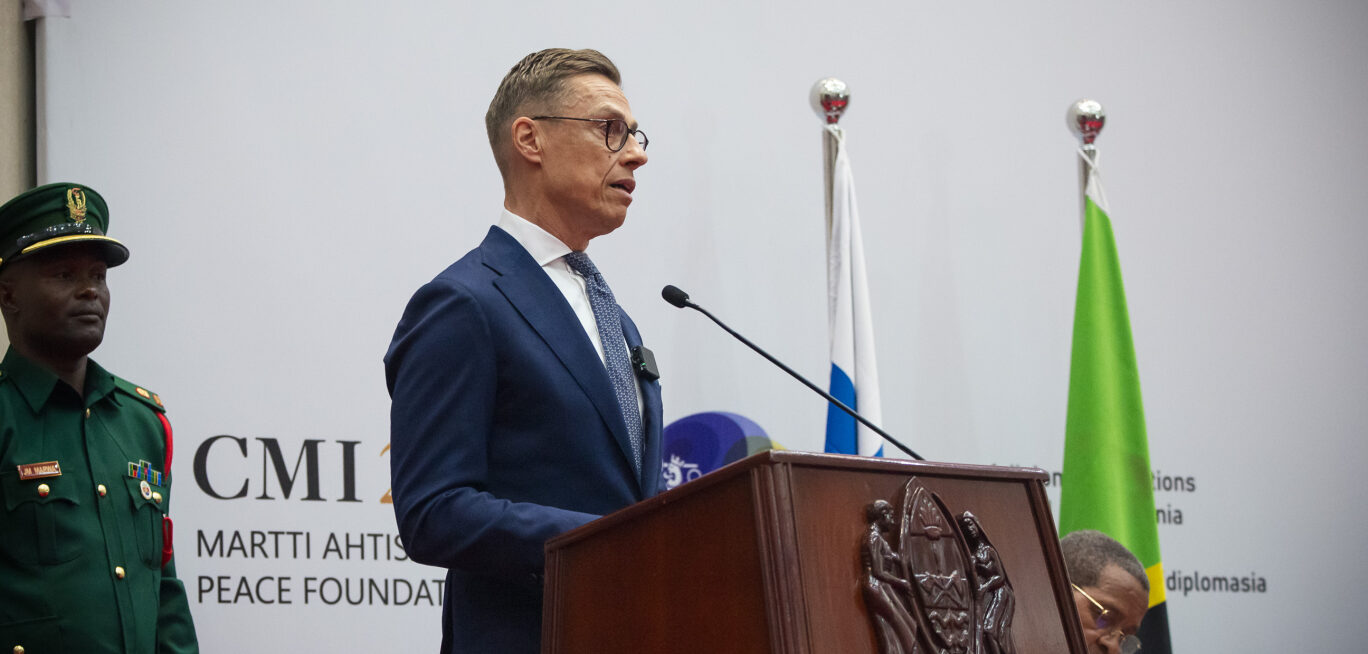
Picha: Matti Porre/Ofisi ya Rais wa Jamhuri ya Finland
Hotuba ya Rais wa Jamhuri ya Finland Alexander Stubb katika kumbukumbu ya Urithi wa Rais Martti Ahtisaari jijini Dar es Salaam, Tanzania, tarehe 15 Mei 2025
Hotuba15.5.2025
Angalia dhidi ya utoaji
Waheshimiwa, Mabibi na Mabwana, Marafiki wapendwa wa Martti,
Ninahisi kuheshimiwa na kupendelewa kuwa hapa Tanzania ili kushiriki kumbukumbu za legacy ya Martti na watu ambao wamefanya kazi naye kwa miongo mingi.
Tanzania ilikuwa na nafasi ya pekee sana katika maisha na kazi ya Martti. Kwa njia nyingi, alikuwa hapa kwamba alianza kazi yake kama mpatanishi.
Martti aliteuliwa kuwa Balozi wa Finland jijini Dar es Salaam mwaka 1973 na aliishi hapa kwa miaka minne. Wakati huo, aliifahamu Tanzania na watu wake vizuri sana.
Martti pia aliendeleza uhusiano mkubwa wa kuaminiana na vuguvugu mbalimbali za kudai uhuru na viongozi wao, wakiwemo SWAPO kutoka Namibia. Mahusiano haya yalichukua nafasi kubwa wakati Baraza Kuu la Umoja wa Mataifa UNGA lilipomteua Martti Ahtisaari kuwa Kamishna wa Umoja wa Mataifa wa Namibia Januari 1977. Mnamo Julai 1978, Katibu Mkuu wa Umoja wa Mataifa alimteua Ahtisaari kuwa Mwakilishi wake Maalum nchini Namibia. Hii ilikuwa kazi yake ya kwanza kama mpatanishi.
***
Baada ya muda wake huko Dar es Salaam, Martti alifanya kazi kama mpatanishi kwa miongo sita tofauti. Alipatanisha amani katika mabara matatu tofauti - Afrika, Asia na Ulaya - akiwa amevaa kofia tatu tofauti: kama mwakilishi wa Umoja wa Mataifa, kama Rais wa Finland na kama mpatanishi binafsi, Mwenyekiti wa CMI (zamani Crisis Management Initiative, sasa Martti Ahtisaari Peace Foundation).
Mafanikio yake makuu matatu yalikuwa Namibia, Aceh na Kosovo. Ingawa michakato hii yote ilikuwa karibu sana na moyo wa Martti, Namibia - na Afrika kwa upana zaidi - labda ilikuwa na athari kubwa zaidi katika kazi na mawazo yake.
Aceh na Kosovo zilikuwa michakato ambayo aliipatanisha kama mwanadiplomasia mwenye uzoefu. Kufikia wakati huo, alijua jinsi wakati muhimu ni katika upatanishi wa amani.
Alipochukua wadhifa huo kama Mwakilishi Maalum wa Katibu Mkuu wa Umoja wa Mataifa nchini Namibia kama mwanadiplomasia mdogo, hakukuwa na ukomavu. Wataalamu na viongozi wengi waliona kazi hiyo kama misheni haiwezekani (mission impossible) .
Martti mwenyewe alisema kuwa moja ya kazi zake kuu nchini Namibia ilikuwa kuzuru miji mikuu ya Afrika mara mbili kwa mwaka na kisha kurejea New York kuripoti juu ya maendeleo, ambayo mara nyingi yalikuwa madogo. Ikiwa mtu mwingine yeyote angesema hivi, inaweza kuonekana kuwa ya kijinga kidogo. Lakini Martti aliposema, aliweza kusema kwa njia iliyojaa matumaini. Ustadi huu hasa, uwezo wa kupata tumaini katika maeneo na masuala ambayo wengine hawakufanya, ulimfanya kuwa mpatanishi wa kipekee.
***
Ningependa sasa kumtazama Martti Ahtisaari na kazi yake kutoka mitazamo mitatu tofauti:
- Kama mtu
- Kama mtaalamu wa upatanishi
- Kama sehemu ya historia ya kisasa
Kama mtu, ningemtaja Martti kwa maneno matatu: huruma, matumaini na ukweli.
Mara nyingi Martti alijielezea kama IDP ya milele (mtu aliyehamishwa akawa mkimbizi wa ndani). Alizaliwa Karelia na ilimbidi aondoke nyumbani kwake akiwa mvulana mdogo wakati Muungano wa Sovieti yaani Russia uliposhambulia Finland. Hili pengine likiweka kumbukumbu ndani yake juu ya mtazamo wa dunia, na kuchangia kwa huruma yake ya kipekee. Aliweza kuelewa hisia za wahusika kwenye mzozo na kuunganishwa kwa undani na aina tofauti za watu.
Kuwa mkimbizi wa ndani (IDP) wa milele hakukumfanya Martti awe mbishi au mwenye uchungu. Kinyume chake, aliamini katika matumaini sio tu mtazamo, bali pia njia. Alielewa kuwa jinsi tunavyoona mambo ina athari kubwa juu ya jinsi yanavyoishia. Huu ulikuwa mtazamo wake pia alipofanya kazi kwa zaidi ya miaka kumi kwa ajili ya uhuru wa Namibia, akiwa amevalia kofia tofauti, hata wakati wengine hawakuamini kuwa inawezekana.
Huko Martti, huruma na matumaini viliunganishwa na uhalisia usiofaa. Aliiona dunia jinsi ilivyokuwa na akatenda ipasavyo. Mchanganyiko wa sifa hizi ulimfanya awe mpatanishi wa kipekee. Pande zote mbili kwenye mzozo na jumuiya ya kimataifa zilimwamini. Alielewa kwamba uaminifu ni kitu ambacho kinaweza kujengwa na kinapaswa kutumiwa kwa hekima. Ingawa muda mwingi alikuwa mwepesi sana, mwenye kunyumbulika na mcheshi, aliweza kuchagua maswala na hali hizo ambapo wahusika wanahitaji kusikia kile ambacho ni cha kweli na kisichowezekana.
Lakini hata katika hali hizo aliweza kutoa mambo ya hakika yasiyopendeza kwa njia iliyohisiwa kuwa zawadi kwa wale wanaopokea ujumbe.
***
Martti alikuwa mtaalamu wa kweli. Kiukweli ni kwamba hakuwahi kujiona kama mpatanishi. Kwa kweli, alielezea kazi yake kama ile ya wakala mwaminifu. Hii ilimaanisha kwamba alichukua msimamo wa wazi kabisa, wa kanuni tangu mwanzo kabisa. Na hapo ndipo alipoanza mchakato wa kuchunguza kile kinachowezekana ndani ya mfumo aliopewa.
Katika Namibia na Kosovo, msimamo huu wa kanuni ulikuwa uhuru wa nchi hizi. Nchini Indonesia, sehemu ya kuanzia kwa mchakato huo ilikuwa uhuru wa jimbo la Aceh. Tangu mwanzo wa mchakato huo, alikuwa wazi sana kwamba hili ndilo suala pekee alilokuwa ameandaliwa kuchunguza katika jimbo la Aceh. Na ikiwa pande zote zilitaka kujadili uhuru, italazimika kutafuta mpatanishi mwingine. Martti alihisi kwamba njia bora ya kupata uaminifu ilikuwa kuwa wazi kabisa na wahusika kuhusu nia yake, na kisha wahusika wangeamua ikiwa alikuwa tayari kutekeleza jukumu hilo.
Misimamo hii yenye kanuni, haikuhusu itikadi. Badala yake, zilikuwa tathmini chafu za 'politik' za hali hiyo. Kwa Martti, sharti kuu la mchakato wa amani uliofanikiwa lilikuwa ni upatanishi wa mataifa makubwa na hii inaweka vigezo vya msingi vya mchakato huo. Bila maafikiano na mataifa makubwa, amani endelevu si ya kweli.
Wakati huo huo, Martti alikuwa na kanuni sana juu ya wazo kwamba wahusika tu kwenye mzozo wanaweza kufanya amani. Mpatanishi - au kwa upande wake, wakala mwaminifu - anaweza kusaidia wahusika kuchunguza vigezo vya amani, lakini wahusika lazima wafanye maamuzi ya mwisho. Hii ndiyo njia pekee ya kuhakikisha kwamba amani inakuwa endelevu.
Vigezo hivi vilikuwa muhimu kwa kazi zote muhimu za Martti. Hatua ya kuanzia ilikuwa kutafuta suluhu ambayo ingeongeza usawa na hisia ya haki, licha ya vigezo vilivyowekwa na 'realpolitik'.
Katika uhuru wa jimbo la Aceh, hii ilisababisha kuongeza vipengele mbalimbali vya uhuru, bila kutoa uhuru kwa mtu yeyote. Huko Kosovo, ilisababisha mfano, ambapo Waserbia walio wachache - ambao walikuwa wakishirikiana na Serbia na dhidi ya uhuru wa Kosovo - walipewa haki pana sana za wachache katika katiba ya Kosovo.
***
Ingawa baadhi ya sifa na mbinu ni za watu wote, kazi ya Rais Ahtisaari pia ni sehemu ya historia ya hivi karibuni.
Uhuru wa Namibia unahusishwa kwa karibu na mwisho wa Vita Baridi na ubaguzi wa rangi.
Muungano wa Kisovieti Russia ulipoanguka, mapambano kati ya itikadi yalipoteza umuhimu wake, angalau kwa muda. Kulikuwa na nafasi zaidi ya kufikiria juu ya kile ambacho kilikuwa kizuri kwa watu na maisha yao ya baadaye.
Huko Aceh, makubaliano ya amani yalitiwa saini baada ya 9/11, Afghanistan na Iraq. Wakati huo, kulikuwa na makubaliano yenye nguvu ya kimataifa juu ya hitaji la kupunguza tishio linaloletwa na w makundi wasio wa serikali wenye silaha (Non State Actors).
Mchakato wa hadhi ya Kosovo mnamo 2006-2007 ulifanyika wakati uhusiano kati ya Amerika, Ulaya na Urusi ulianza kuvunjika.
***
Nyakati za mafanikio zaidi katika taaluma ya Martti zilikuja wakati ambapo tulikuwa na imani zaidi katika taasisi za kimataifa za jumuiya ya kimataifa na sheria zinazokubaliwa kwa kawaida kuliko sisi leo. Mtu anaweza hata kuuliza jinsi masomo haya yanafaa kwa ajili ya kuleta amani ya zama hizi za kisasa.
Nafasi ya mjumbe maalum wa Umoja wa Mataifa mwanzoni mwa miaka ya 2000 ni tofauti sana na ile ya mjumbe maalum leo. Utata na kutokuwa na uhakika vimeongezeka, na michakato ya amani ni mibaya zaidi kuliko hapo awali.
Ningesema kwamba kujifunza masomo ya amani ni muhimu zaidi kuliko hapo awali. Martti hakuwahi kuzungumzia nyadhifa alizoshikilia. Siku zote alizungumza juu ya kazi alizopewa. Haja ya kuwatendea watu kwa utu, kuelewa mipaka na uwezekano wa muktadha uliotolewa na kupata masuluhisho ya vitendo kwa matatizo yanayosababishwa na mwanadamu ni ujuzi na sifa za ulimwengu kwa kila mtu ambaye amepewa kazi ya kufanya kazi kwa manufaa ya wote.
Asante!
Source : Speech by President of the Republic of Finland Alexander Stubb at the President Martti Ahtisaari Legacy Seminar in Dar es Salaam, Tanzania, on 15 May 2025 - Presidentti


