
Archival Sense
JF-Expert Member
- Dec 16, 2025
- 501
- 247
The National Social Security Fund (NSSF) has revealed its readiness to invest savers’ funds in road infrastructure, a move aligned with the vision of Yoweri Kaguta Museveni to channel long-term capital into strategic national development projects.
The proposal is aimed at supporting large-scale infrastructure development, particularly roads, which are seen as critical to improving connectivity, boosting trade, and accelerating economic growth. Officials argue that such investments could deliver stable, long-term returns while contributing to national development.
However, the announcement has sparked mixed reactions among the public. Supporters have praised the move as “generational thinking” and a potential “game changer,” noting that pension funds globally often invest in infrastructure projects due to their long-term nature and predictable returns.
Critics, however, have raised concerns about the use of personal retirement savings for public infrastructure. Some have questioned why funds meant for individual retirement security should be directed toward projects traditionally financed through the national budget, particularly under the mandate of the Ministry of Works and Transport.
There are also concerns about risk, transparency, and accountability, with skeptics calling for clear safeguards to ensure that contributors’ savings are protected and that investments yield tangible financial returns, with some calling the projects risky and over inflated.
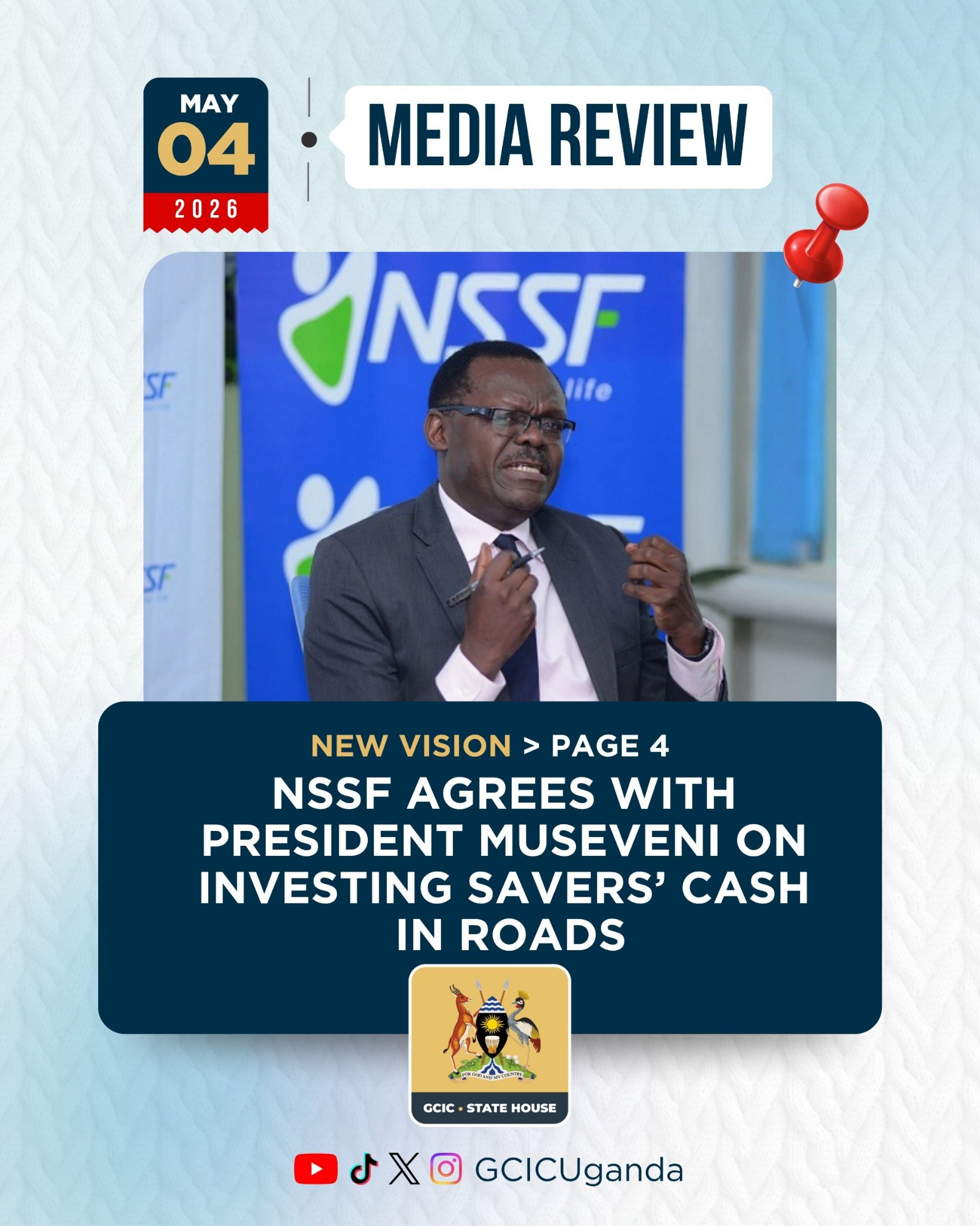
The proposal is aimed at supporting large-scale infrastructure development, particularly roads, which are seen as critical to improving connectivity, boosting trade, and accelerating economic growth. Officials argue that such investments could deliver stable, long-term returns while contributing to national development.
However, the announcement has sparked mixed reactions among the public. Supporters have praised the move as “generational thinking” and a potential “game changer,” noting that pension funds globally often invest in infrastructure projects due to their long-term nature and predictable returns.
Critics, however, have raised concerns about the use of personal retirement savings for public infrastructure. Some have questioned why funds meant for individual retirement security should be directed toward projects traditionally financed through the national budget, particularly under the mandate of the Ministry of Works and Transport.
There are also concerns about risk, transparency, and accountability, with skeptics calling for clear safeguards to ensure that contributors’ savings are protected and that investments yield tangible financial returns, with some calling the projects risky and over inflated.


