Hahaha having KLM there didn't work out
By BRIAN NGUGI
More by this Author
SUMMARY
- KQ says aircraft recently leased out to reduce the airline’s over-capacity were yielding less rentals than the cost charged by the primary owners from whom it bought the planes.
- The sub-leases were executed as part of the company’s efforts to cut operating costs at a time when slow revenue growth and mounting liabilities have kept it in the loss territory.
- The airline had earlier said the contracts would reduce the airline’s fleet costs by an equivalent of Sh8.4 billion annually, indicating that sub-leasing at a loss is a lesser evil compared with maintaining a bloated fleet.


 ECONOMY
Kenya Airways in Sh2.6bn plane sub-lease losses
ECONOMY
Kenya Airways in Sh2.6bn plane sub-lease losses
THURSDAY, SEPTEMBER 7, 2017 21:00
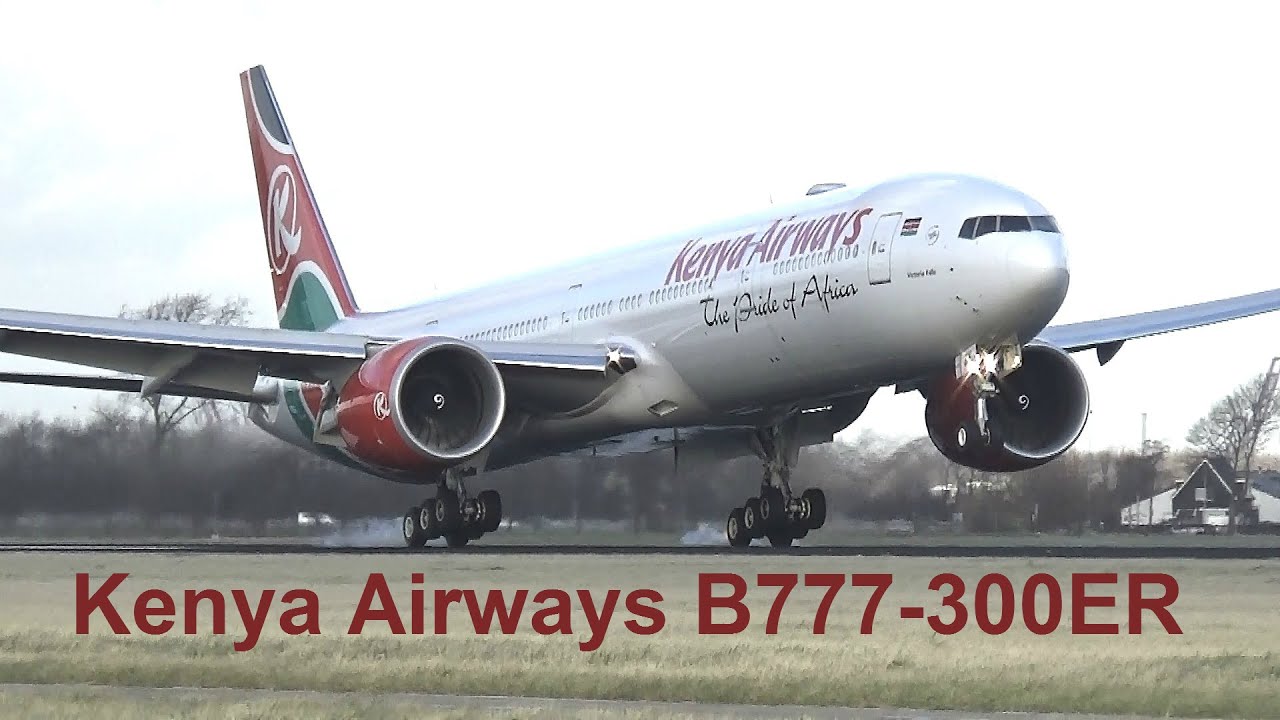
A KENYA AIRWAYS PLANE AT THE JOMO KENYATTA INTERNATIONAL AIRPORT (JKIA) IN NAIROBI. FILE PHOTO | NMG
Kenya Airways has reported a Sh2.61 billion loss on the sub-lease of its aircraft, indicating the heavy burden that the national carrier continues to shoulder from previous years of rapid expansion that was not matched by proportionate growth in customer demand.
KQ, in its freshly released annual report for the year ended March 2017, says aircraft recently leased out to reduce the airline’s over-capacity were yielding less rentals than the cost charged by the primary owners from whom it bought the planes.
During a similar period last year, KQ incurred Sh4.05 billion loss from aircraft sub-leasing contracts, which means the national carrier cut last year’s loss by more than a third.
The sub-leases were executed as part of the company’s efforts to cut operating costs at a time when slow revenue growth and mounting liabilities have kept it in the loss territory.
Former KQ chief executive and now board advisor Mbuvi Ngunze said the sub-lease deals were signed to mitigate even larger losses it would have otherwise incurred from cancelling the purchase contracts at a time when it could not fly the planes profitably itself.
KQ says in the latest report it sub-leased two B787-8 Dreamliners to Oman Air, sub-leased three B777-300ERs to Turkish Airlines, sold one B777-200ER and returned two leased E170 aircraft to their owners following an agreement to terminate the leases early.
As such as at the end of 31 March, this year, the airline had 39 aircraft, either owned or on operating leases.
These comprised one Boeing B777 wide-body jet, seven Boeing 787 wide-body jets, twelve Boeing 737 narrow body jets, fifteen Embraer regional jets, two Boeing 737 freighters; formerly passenger aircraft and two Bombardier Dash 8-400s.
The loss-making leasing contracts however still represent a heavy cost to shareholders of unwinding the rapid expansion of yester years.
The airline had earlier said the contracts would reduce the airline’s fleet costs by an equivalent of Sh8.4 billion annually, indicating that sub-leasing at a loss is a lesser evil compared with maintaining a bloated fleet.
READ:
KQ leases two more planes to Turkish, Oman Air
ALSO READ:
KQ plane disposals down to two after Turkish lease
Sub-leasing the aircraft, non-renewal of other leases and sale of several airplanes saw KQ’s fleet drop to 39 units in the year ended March 2017, compared with 47 units the year before.
The airline plans to further scale back its capacity in the current financial year to cut costs.
“The coming year will see a more stable fleet with only one change planned – the sale of one B777-200ER. The focus will be on ensuring the cabin product offered to our guests across the fleet is consistent and of a high standard,” says the airline.
READ:
KQ plane sales and leases to earn carrier Sh11bn
KQ has been targeting a reduction of its wage bill as part of a wider cost cutting drive in a bid to return to profitability after having reported the worst losses by a listed firm in Kenya in 2015 and 2016.
These measures resulted in an improved bottom-line in the year ending March 2017 even as turnover fell during the financial year by Sh10 billion to Sh106 billion.
“In the last one year and a half, Kenya Airways has taken some hard decisions including reducing the number of aircraft it has in operation, restructuring its network, as well as making substantial changes to other aspects of the business including the manner in which it is financed, with the objective of ensuring its financial and operating sustainability,” says the airline.
https://www.businessdailyafrica.com...se-losses/3946234-4086998-120ybwjz/index.html


 inShare