
Da Dona
JF-Expert Member
- Dec 16, 2025
- 1,187
- 660
The killing of SC Villa captain David Owori has once again forced Uganda to confront a painful question: How many more athletes and ordinary citizens must die violently before the country moves beyond investigating attacks after they happen and invests more seriously in preventing the next tragedy?
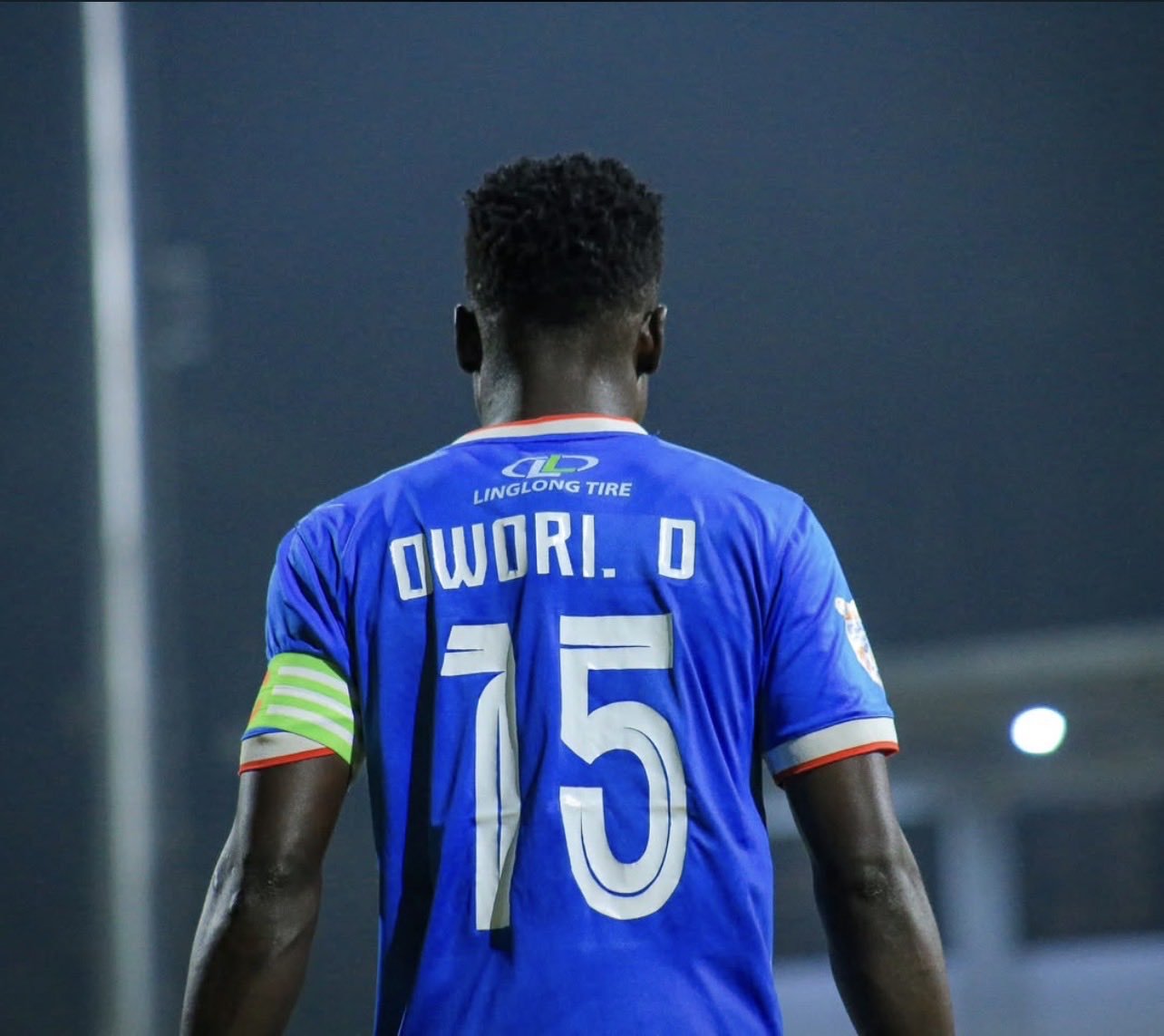
Owori died on August 5 after being attacked the previous night in Makindye, Kampala. Police say he was robbed of an iPhone 14 Pro Max and have since arrested two suspects after tracking the stolen phone. Officers also recovered dozens of suspected stolen phones and electronic devices as detectives investigate a possible wider criminal network.
While the arrests demonstrate that security agencies can act decisively, the harder question remains: Why does the most visible security response so often come only after someone has already been killed?
Deputy Speaker Thomas Tayebwa captured the gravity of the matter in Parliament following Owori’s death.
Owori died on August 5 after being attacked the previous night in Makindye, Kampala. Police say he was robbed of an iPhone 14 Pro Max and have since arrested two suspects after tracking the stolen phone. Officers also recovered dozens of suspected stolen phones and electronic devices as detectives investigate a possible wider criminal network.
While the arrests demonstrate that security agencies can act decisively, the harder question remains: Why does the most visible security response so often come only after someone has already been killed?
Deputy Speaker Thomas Tayebwa captured the gravity of the matter in Parliament following Owori’s death.
“This is fundamentally a security matter. We are seeing people being attacked by criminals wielding iron bars and other blunt objects.”
Tayebwa called for thorough investigations and a review of the wider security situation, noting that Owori was well known because of his contribution to sports, but many ordinary citizens lose their lives in similar circumstances without their cases receiving national attention.
•Owori’s death came barely two months after Ugandan sport was shaken by the killing of Rugby Cranes and Black Pirates forward Sydney Gongodyo. Gongodyo died on June 5 after being attacked by a mob in Kampala following allegations that he had snatched a woman’s handbag.

Police condemned the killing, warning that mob action undermines the rule of law and can result in the loss of innocent lives. Suspects were later arrested using video footage to identify alleged participants.
The government also promised action. Prime Minister Robinah Nabbanja told Parliament that security agencies would work to stamp out mob justice and directed the Ministry of Internal Affairs to present a report on the problem.
•Yet the scale of mob killings shows why stronger action is needed. According to Daily Monitor, Police statistics indicate that 3,764 people were killed through mob action between 2021 and 2025, including 950 in 2025 alone.
These figures should terrify the country.
When hundreds of Ugandans can be killed annually by crowds acting as judge, jury and executioner, repeated warnings against mob justice are clearly not enough. A person accused of theft is a suspect, not a convict. No crowd has the authority to investigate, convict and execute another citizen on a Kampala street.
✓✓How the Ugandan sport has travelled this painful road before.

RIP, Moses Nsereko
•On September 15, 1991, legendary Uganda Cranes and KCC midfielder, coach and former FUFA general secretary Moses Nsereko was murdered at Wampewo, Kololo. More than three decades later, his killing remains one of Ugandan football’s enduring unresolved tragedies.
•Then came former national boxing captain Isaac “Zebra” Ssenyange, who was shot dead near his Bwaise home in December 2020.

RIP Zebra Senyange
Zebra’s case was particularly significant because President Yoweri Museveni acknowledged that security personnel had killed him after officers went to take him in for questioning. Museveni apologised to the family and promised that findings would be made known.
But years later, questions remained unanswered. Zebra’s widow, Mercy Mukankusi, was still publicly seeking answers in 2024, asking what had happened on the day her husband was killed.
The circumstances surrounding Nsereko, Zebra, Gongodyo and Owori are very different and should not be casually bundled together. But they share one painful thread: the need for prevention, accountability and closure whenever Ugandans lose their lives violently.
Security cannot simply mean announcing arrests after public outrage.
Effective security means identifying crime hotspots before someone is killed, dismantling organised robbery networks, improving lighting and surveillance in vulnerable areas, using intelligence against repeat offenders and building enough public confidence in law enforcement for communities to hand suspects over to police instead of resorting to mob justice.
The arrests following the deaths of Gongodyo and Owori demonstrate what determined investigations can achieve. But the ultimate measure of security is not how quickly suspects are arrested after an athlete dies.
It is whether that athlete — and the ordinary Ugandan whose name may never reach Parliament — could have been protected in the first place.
Uganda mourned Nsereko. It mourned Zebra. It mourned Gongodyo. Now, it mourns Owori.
The question is no longer simply who killed David Owori?
What will be done differently today to ensure there is no next name?
•Owori’s death came barely two months after Ugandan sport was shaken by the killing of Rugby Cranes and Black Pirates forward Sydney Gongodyo. Gongodyo died on June 5 after being attacked by a mob in Kampala following allegations that he had snatched a woman’s handbag.
Police condemned the killing, warning that mob action undermines the rule of law and can result in the loss of innocent lives. Suspects were later arrested using video footage to identify alleged participants.
The government also promised action. Prime Minister Robinah Nabbanja told Parliament that security agencies would work to stamp out mob justice and directed the Ministry of Internal Affairs to present a report on the problem.
•Yet the scale of mob killings shows why stronger action is needed. According to Daily Monitor, Police statistics indicate that 3,764 people were killed through mob action between 2021 and 2025, including 950 in 2025 alone.
These figures should terrify the country.
When hundreds of Ugandans can be killed annually by crowds acting as judge, jury and executioner, repeated warnings against mob justice are clearly not enough. A person accused of theft is a suspect, not a convict. No crowd has the authority to investigate, convict and execute another citizen on a Kampala street.
✓✓How the Ugandan sport has travelled this painful road before.
RIP, Moses Nsereko
•On September 15, 1991, legendary Uganda Cranes and KCC midfielder, coach and former FUFA general secretary Moses Nsereko was murdered at Wampewo, Kololo. More than three decades later, his killing remains one of Ugandan football’s enduring unresolved tragedies.
•Then came former national boxing captain Isaac “Zebra” Ssenyange, who was shot dead near his Bwaise home in December 2020.
RIP Zebra Senyange
Zebra’s case was particularly significant because President Yoweri Museveni acknowledged that security personnel had killed him after officers went to take him in for questioning. Museveni apologised to the family and promised that findings would be made known.
But years later, questions remained unanswered. Zebra’s widow, Mercy Mukankusi, was still publicly seeking answers in 2024, asking what had happened on the day her husband was killed.
The circumstances surrounding Nsereko, Zebra, Gongodyo and Owori are very different and should not be casually bundled together. But they share one painful thread: the need for prevention, accountability and closure whenever Ugandans lose their lives violently.
Security cannot simply mean announcing arrests after public outrage.
Effective security means identifying crime hotspots before someone is killed, dismantling organised robbery networks, improving lighting and surveillance in vulnerable areas, using intelligence against repeat offenders and building enough public confidence in law enforcement for communities to hand suspects over to police instead of resorting to mob justice.
The arrests following the deaths of Gongodyo and Owori demonstrate what determined investigations can achieve. But the ultimate measure of security is not how quickly suspects are arrested after an athlete dies.
It is whether that athlete — and the ordinary Ugandan whose name may never reach Parliament — could have been protected in the first place.
Uganda mourned Nsereko. It mourned Zebra. It mourned Gongodyo. Now, it mourns Owori.
The question is no longer simply who killed David Owori?
What will be done differently today to ensure there is no next name?

