Utamaduni wa Tume kufanya kazi kwa siri haufai, hasa ikiwa inafanya kazi kuichunguza serikali
Tume ya Jaji Chande kuhusu yaliyotokea Oktoba 29, 2025 hadi November 3 , 2025 inapaswa kuwa wazi mubashara umma ifuatilie katika vituo vya televisheni, radio na YouTube.
Ila toka hatua ya kwanza imekosa uhalali wa kuaminika tukichukulia hotuba ys Samia na wazee wa CCM aliyotoa leo tarehe 02 December 2025 jijini Dar es Salaam, Tanzania
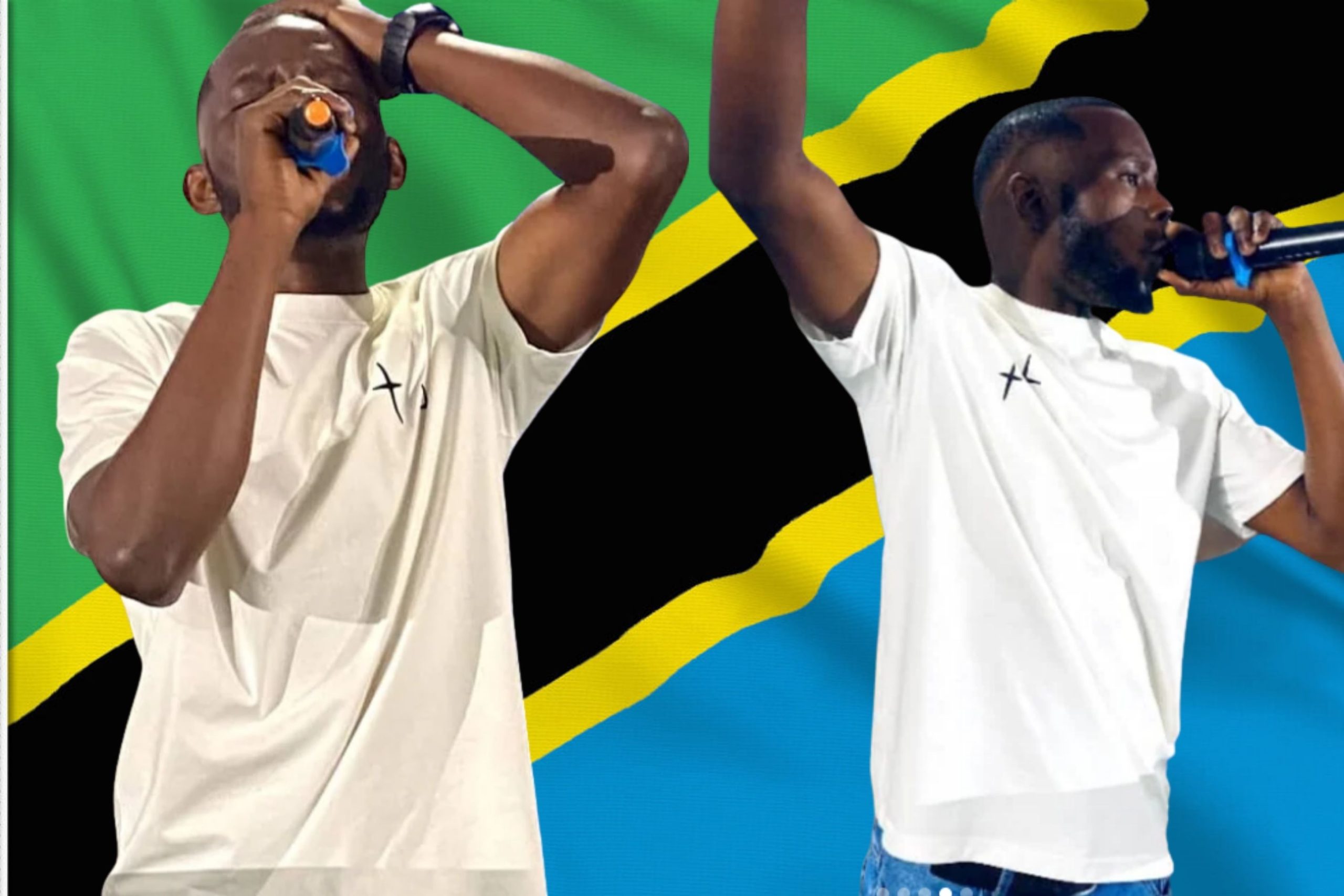
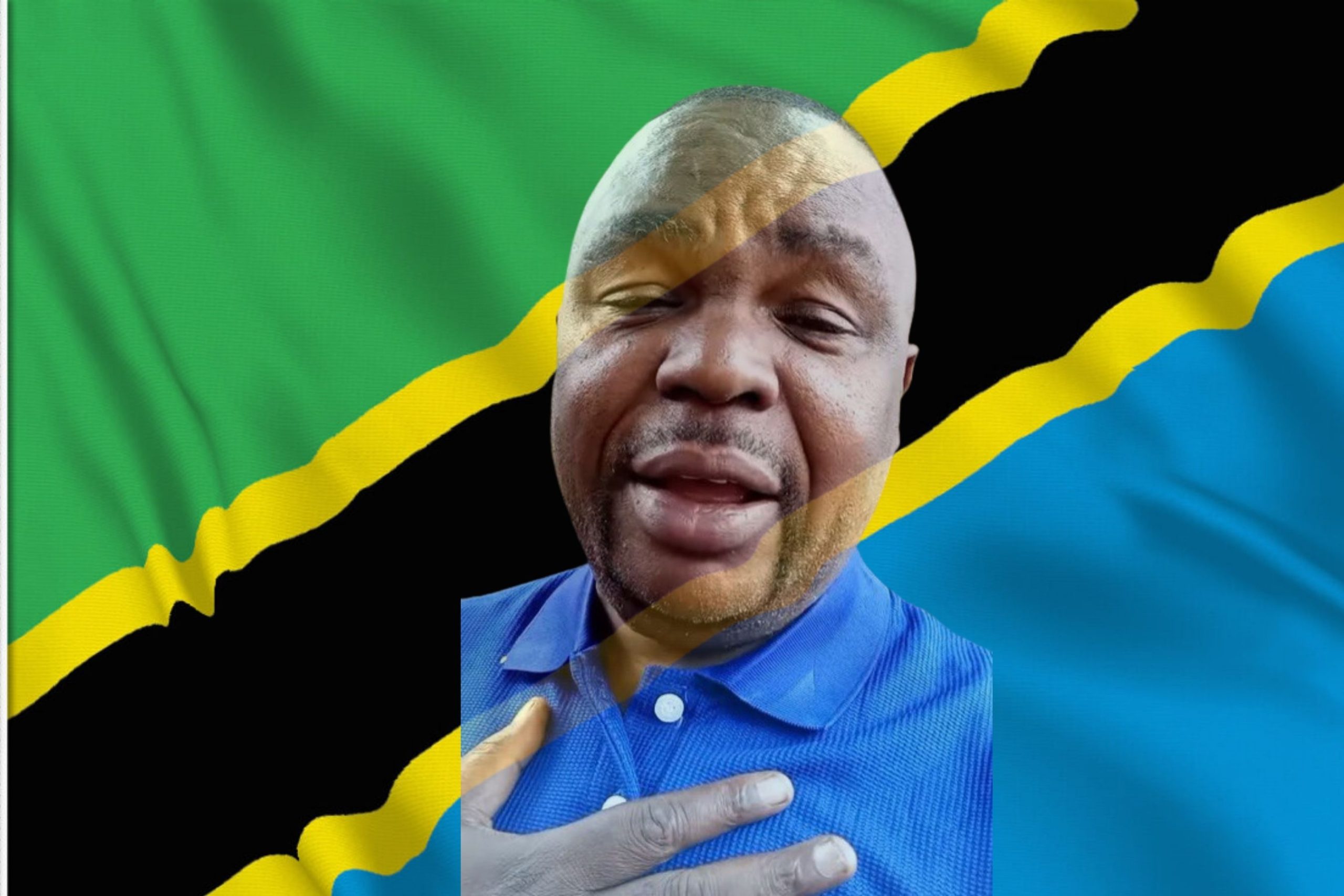
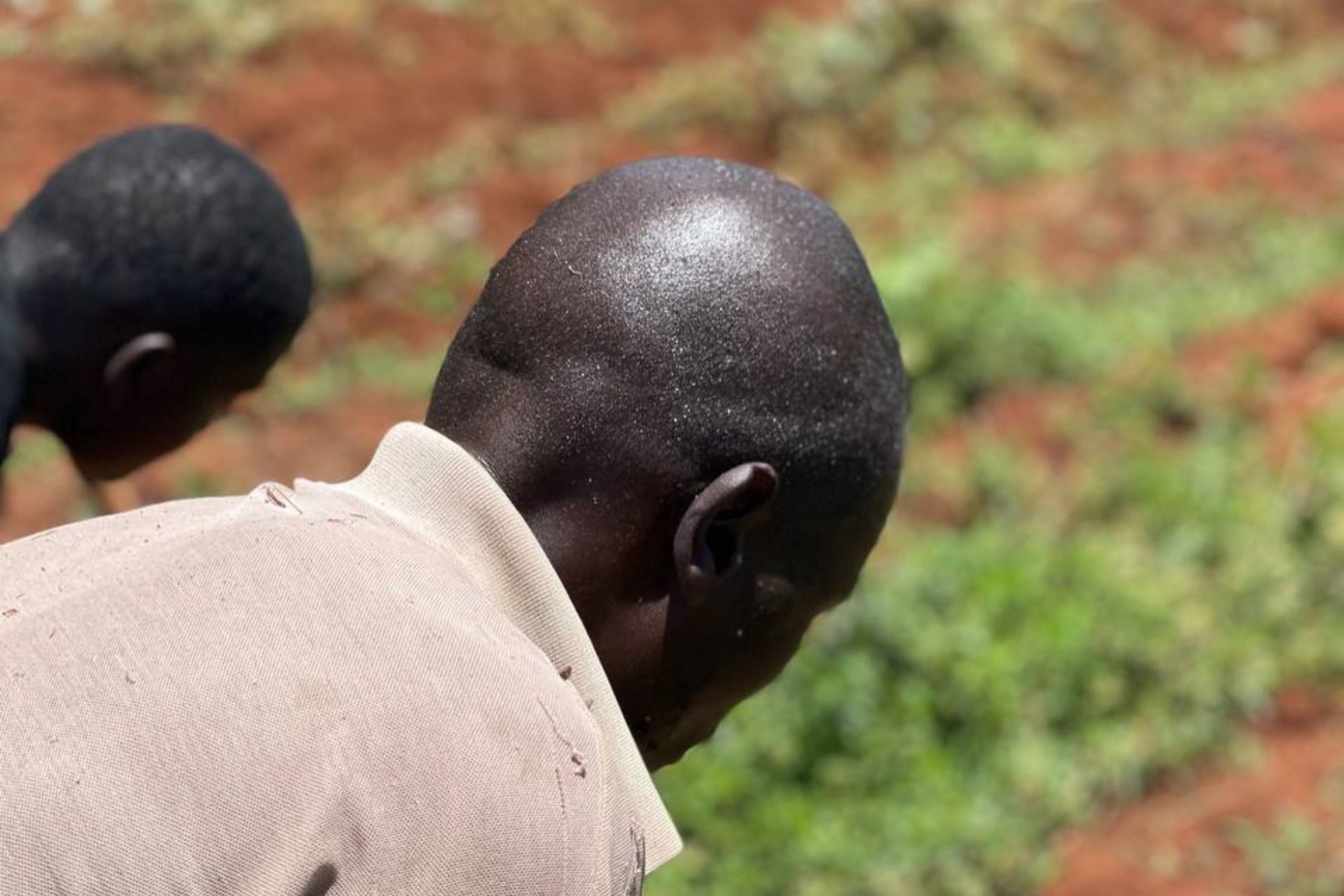
Picha : Wazee wa town hawaamini masikio yao kuwa Samia ametoa maneno waliyosikia ktk mkutano naye
Picha : Wazee waonesha tahayari kuu kufuatia hotuba waliyosikia, wanarafakari jinsi nchi inavyobomolewa na Samia
Afrika ya Kusini Tume zoo nyeti kuhusu mauaji, kuteka, kupoteza rushwa n.k vinavyotuhumiwa maofisa wa usalama, polisi, raia zipo live mubashara watu kuona utendaji kazi wa Tume ikiwahoji washukiwa walio madarakani, magerezani na raia ili kubaini uozo uliopo, matumizi mabaya ya madaraka n.k
TOKA MAKTABA :
Johannesburg
inarejeleaTume ya Madlanga , uchunguzi wa umma ulioanzishwa mwaka 2025 kuchunguza rushwa, uingiliaji wa kisiasa, na kujipenyeza kwa makosa ya jinai ndani ya mfumo wa haki ya jinai nchini.. Inaongozwa na aliyekuwa kaimu naibu jaji mkuu Madlanga na inachunguza madai ya ufisadi na kuingiliwa, ikilenga masuala ndani ya huduma ya polisi ya KwaZulu-Natal.
Kusudi: Kuchunguza madai ya kujipenyeza kwa uhalifu, rushwa, na uingiliaji wa kisiasa katika mfumo wa haki ya jinai.
Kiongozi: Tume inaongozwa na jaji mstaafu Mbuyiseli Madlanga, na hivyo kuitwa "Tume ya Madlanga".
Kuanzishwa: Ilitangazwa na Rais Cyril Ramaphosa kufuatia tuhuma maalum za makosa ndani ya jeshi la polisi.
Kuzingatia: Tume imeanza kusikiliza ushahidi kuhusu madai, ikiwa ni pamoja na yale yanayohusiana na kuingiliwa kwa kisiasa na jukumu la uhalifu wa kupangwa.
Matokeo: Tume haitachukua hatua za moja kwa moja lakini itafanya matokeo na kutoa mapendekezo ya mashtaka ya jinai, hatua za kinidhamu, na marekebisho ya kitaasisi. Ripoti ya mwisho itawasilishwa kwa Rais
MASWALI YA WAHARIRI WA MEDIA KWA JAJI CHANDE YALIKUWA MEPESI
Hivyo ni muhimu umma mpana kupewa nafasi kufuatilia Tume hiyo ikiwa kazini mubashara / live, bila hivyo TUME kufanya kazi away kificho inaondoa kuaminika View: https://m.youtube.com/watch?v=QP0eif8R8vI
Mhe. Mohamed Chande Othman, Jaji Mkuu Mstaafu wa Mahakama ya Tanzania ameteuliwa kuwa Mwenyekiti wa Tume hiyo na wajumbe walioteuliwa ni wafuatao:-
(i) Mhe. Profesa Ibrahim Hamis Juma Jaji Mkuu Mstaafu wa Mahakama ya Tanzania;
(ii) Balozi Ombeni Yohana Sefue Kiongozi Mstaafu; Mwanadiplomasia na Katibu Mkuu
(iii) Balozi Radhia Msuya - Mwanadiplomasia na Balozi Mstaafu;
(iv) Balozi Lt. Gen. Paul Meela - Mwanadiplomasia na Balozi Mstaafu;
(v) IGP (Mstaafu) Said Ally Mwema Mkuu wa Jeshi la Polisi Tanzania Mstaafu;
(vi) Balozi David Kapya - Mwanadiplomasia na Balozi Mstaafu; na(vii) Mhe. Dkt. Stergomena Lawrence Tax Aliwahi kuwa Katibu Mtendaji wa Jumuiya ya Maendeleo Kusini mwa Afrika (SADC).
Tayari tume hii kwa hotuba ya leo ndiyo imekosa hata ile imani ndogo waliyokuwa nayo wazee, ila kwa vijana ndiyo ametuambia Tume yake Samia inapata maelekezo kutoka serikali yake isiyo halali
Tayari tume hii kwa hotuba ya leo ndiyo imekosa hata ile imani ndogo waliyokuwa nayo wazee, ila kwa vijana ndiyo ametuambia Tume yake Samia inapata maelekezo kutoka serikali yake isiyo halali
Tanzania is in crisis — and nobody is talking about it. In this explosive interview, Pan-Afrikan thinker DJ Bwakali breaks down the disturbing reality behind Tanzania’s post-election violence View: https://m.youtube.com/watch?v=YqY_2GuHyd0
where opposition leaders claim thousands were killed by police to keep the ruling government in power.We discuss:– The alleged mass killings during and after the Tanzanian election– President Samia Suluhu’s government and accusations of brutality– Why the world is silent on the crisis– The future of democracy in East Afrika– What Pan-Afrikans must learn from Tanzania’s political unrest
The Murder of Samwel Eusebio Mgimwa the Gospel Musician
Samwel was on his way to becoming one of the top gospel musicians in Africa and the world. That is how devoted and focused he was. His life revolved around faith, music, and family. Every note he sang carried light. Every lyric he wrote reflected conviction. He believed that music could lift people from despair and remind them of God’s presence in their struggles.
His name was Samwel Eusebio Mgimwa. He was born on August 24th, 2001 and died on October 29th, 2025.
On that day, Tanzania was gripped by election chaos. Streets were filled with tension, and gunfire echoed through neighbourhoods that had once been peaceful. Samwel lived in Kimara Korogwe, a modest area in Dar es Salaam. Like many families, his household feared that the unrest would worsen. Wanting to protect his loved ones, he decided to step out and buy basic food items such as rice and beans so they could survive possible days of lockdown. It was a small act of care, one born from love and responsibility.
He never returned home.
At a small local shop, police officers appeared carrying rifles. Witnesses say they did not issue warnings. They simply began shooting. Samwel was hit in the stomach. The bullet tore through him, spilling his intestines onto the ground. As he bent over, trying to hold himself together, another bullet struck him from behind. He was rushed to the hospital, but his injuries were too severe. He was pronounced dead and buried on November 6th in Dar es Salaam.
Samwel was a university student, the firstborn in his family, and a pillar of hope for his three younger siblings. Those who knew him describe him as kind, patient, and deeply spiritual. He spent much of his time writing music and singing in his church choir. His voice was clear and powerful, full of sincerity and emotion. People say his singing could silence a room and bring peace to troubled hearts.
He dreamed of one day filling churches and stadiums with worship. His gifts were undeniable, and his faith was unshaken...
A Crime That Reflects a National Tragedy
Samwel’s killing is one among tens of thousands of deaths that occurred during and after Tanzania’s 2025 elections. Human rights observers estimate that between 15,000 and 30,000 people were killed by state forces. The scale of the tragedy defies comprehension.
For perspective, the September 11th attacks in the United States killed 2,977 people. That single event changed global history. Yet what has happened in Tanzania has claimed ten times that number.
The Sharpeville Massacre of 1960 in South Africa, where 69 unarmed civilians were gunned down, became a symbol of state brutality that shook the world. Tanzania’s tragedy is far greater, yet it remains buried in silence.
The Rwandan genocide, one of the darkest chapters in African history, killed approximately 800,000 people in 100 days. Tanzania’s killings are on a different scale, but the pattern of state-sponsored violence, denial, and fear carries a dangerous familiarity.
The world is not watching. The institutions meant to protect civilians are silent. The grief is private, forced behind closed doors by fear....
A Parliament That Must Not Forget
To the newly sworn in members of Tanzania’s parliament, the message is simple. It cannot be business as usual. Not while parents bury their children. Not while families search for missing loved ones. Not while a generation is being silenced.
Justice must come for Samwel. Justice must come for the thousands who were killed in the same wave of violence. Until accountability begins, every political speech will ring hollow....
Maria Mathew — A Bright Shining Life Stolen Too Soon
There are moments in a nation’s history when a single life becomes a mirror, forcing an entire people to confront who they have become. The murder of 18-year-old Maria Mathew is one such moment. She was not a criminal. She was not a threat. She was simply a young girl standing near her home, breathing the evening air of her neighbourhood. Then a bullet from Samia Suluhu’s marauding militia tore through her future and silenced her forever.
Born on 2 October 2007, Maria had barely stepped into adulthood. She should have been discovering her passions, planning her tomorrow, laughing with friends and imagining the woman she would one day become. Instead, on 29 October 2025, her dreams were violently erased by a regime that prefers force to dialogue and fear to justice.
Her mother, Neema Munuo, expresses a grief that no parent should ever know:
“The date 29/10/25 has left an indelible mark in my heart. It is the day I lost my only daughter, my dear friend, the child of my womb suddenly without even saying goodbye. Your dreams have been cut short, my child, because you were shot while you were near home.”
Every word carries the weight of a soul torn apart. Neema did not only lose a child. She lost her closest companion, her source of joy and her reason to keep fighting. Tanzania did not only lose a daughter. It lost a symbol of hope and innocence
Where Is Clemence Mwandambo? Unveiling the Mbeya Massacre
In Mbeya, south-western Tanzania, near the borders with Zambia and Malaw, a man’s tired voice is echoing across Tanzania.
“I am tired. Your father Clemence Mwandambo. I am tired. Because all of you are my children. Bye bye. I have finished.”
These were Clemence’s last public words on Instagram before heavily armed men, identifying themselves as police, stormed his home near Mbeya Referral Hospital and abducted him. He is not known to have committed any crime. His real offence was moral, not legal: he spoke clearly, consistently and publicly against a regime drowning in hypocrisy and impunity.
Those words must not become his final testimony.
The state must say where Clemence Mwandambo is. It must explain why a law-abiding citizen was taken from his home like a terrorist. And it must understand that what happened to Clemence cannot be separated from what happened to Mbeya during the post-election massacre. The abduction of one man is a window into the terror inflicted on an entire region.
Mbeya: From hillside city to killing field
Mbeya is not just a dot on Tanzania’s map. It is a crossroads city, a meeting point of regions, cultures and trade routes; a place where ordinary Tanzanians wake up every morning to hustle, study, raise children and build small dreams one day at a time.
During the post-election violence, that everyday life was shattered.
While the world’s cameras remained mostly fixed on Dar es Salaam, Mbeya became one of the worst hit areas. Residents describe raids that began with the sound of boots and gunshots in the night. People were hunted in their homes and neighbourhoods, not just in the streets. Mothers waited for sons who never came back. Children were told that their fathers had “disappeared”. Hospitals quietly filled with the wounded, while bodies were moved, buried and miscounted.
We still do not know how many people died in Mbeya. We still do not have an official roll call of the dead, the disappeared and the wounded. The truth is being managed, edited and buried.
What we do know is this: a regime that allows entire communities to be terrorised during an election is the same regime that allows its agents to drag away a critic like Clemence in broad daylight. The massacre in Mbeya and the abduction of Clemence are not separate stories. They are dark chapters of the same evil book.
Abductions as a method of rule
Enforced disappearances are not accidents. They are not “excesses” by a few rogue officers. Around the world, they have been used as a deliberate technology of rule, especially by authoritarian governments that no longer trust their own citizens and no longer want to be questioned. International bodies have repeatedly described enforced disappearance as a strategy used to spread terror through society, because it punishes not only the victim but also every family, neighbour and potential critic who is left wondering if they are next.
In Africa, human rights groups have documented how enforced disappearances and abductions are increasingly used to silence journalists, opposition figures and activists. They are described as a “particularly cruel” tool of repression that violates multiple rights at once: the right to life, liberty, due process, family and dignity.
Tanzania is not new to this pattern. Over the past decade, and particularly in Samia Suluhu’s regime, reports by regional and international organizations have documented a worsening climate that includes abductions, disappearances and targeted attacks against critics of the government. Journalists, opposition politicians and activists have been abducted or attacked in circumstances widely believed to involve state agents or their proxies.
By 2025, as the election approached, this pattern hardened into a system. Analysts and human rights monitors pointed to scores of critics who had been arbitrarily arrested or abducted in the lead-up to the vote, some later found dead, alongside mass detentions of opposition supporters and the exclusion of major parties from the ballot.
Clemence’s abduction sits squarely inside this context. He was part of a small group of Tanzanians who still dared to speak publicly. Most people had already been silenced by the fear of exactly what has now happened to him. His disappearance is therefore not only a crime against one man, but a message to millions: “If we can take him, we can take you.”
This is how terror becomes a method of governance.
Mbeya’s open wound
Mbeya’s pain is not only physical. It is political, legal and spiritual.
Politically, the city stands as evidence that the massacre was not a “clash” between two equal sides but a one-sided assault in which citizens paid with their blood for daring to demand credible elections. Legally, Mbeya exposes the failure of the state to uphold its most basic obligation: to protect the lives and dignity of its people, regardless of their vote.
Spiritually, Mbeya is a place where grief could not be contained within family living rooms. It spilled into churches.
In the aftermath of the violence, the Catholic Diocese of Mbeya took a rare and courageous step. It issued a diocesan call to every parish, institution and Catholic faithful to dedicate a Sunday specifically to the victims of election violence.The Catholic Diocese of Mbeya called for special prayers on 9 November 2025 in all parishes within the Greater Diocese for those killed and injured. These prayers culminated in a Diocesan Mass at Mwanjelwa’s Kanisa la Hija, led by the Archbishop and Auxiliary Bishop, with a clear appeal for faith, unity and love.
This local initiative echoed a national shift. Across Tanzania, Catholic bishops and other church leaders began to speak out more openly, condemning election-related killings as brutal and inhumane, calling the violence a stain on the nation and demanding independent investigations into the deaths and alleged secret burials.
The Church’s actions do not repair Mbeya’s wound, but they acknowledge it. In a country where the state tries to deny or downplay the scale of the bloodshed, such acknowledgement is itself an act of resistance.
Why the truth about Mbeya matters
Some will ask: why focus so much on one city when the entire country has suffered?
Because Mbeya is a test case.
If the truth about Mbeya can be buried, then the truth about the whole country can be erased. If we accept that men and women can be killed or disappeared in Mbeya without names, numbers or accountability, then we have accepted that any community in Tanzania can be treated the same way.
Documenting the Mbeya massacre means asking difficult questions:
Who ordered the operations that led to the killings?
Which units were deployed, under what rules of engagement?
How many people were killed, wounded or disappeared?
Where are the bodies of those who never came home?
Which officials were in the chain of command when the blood was spilled?
These are not academic questions. They determine whether Tanzania remains a country of laws or slides fully into rule by fear.
Around Africa, we have seen what happens when enforced disappearances and massacres are allowed to become normal. Families roam prisons, mortuaries and mass graves searching for relatives. Communities lose trust in every institution. Politics turns into a zero-sum game where those in power cling to office at any cost, and those outside power learn that peaceful participation offers no protection.
If Tanzania continues down this path, Mbeya will not be an exception. It will be a template.
From prayers to pressure
The Catholic Masses in Mbeya, the statements from bishops across the country, the calls from other faith leaders for peace with justice: all of this matters deeply. It tells victims’ families that they are not crazy, not alone and not forgotten. It inserts moral language into a political crisis.
But faith alone is not enough to stop a state that has learned to rule by terror. Prayers must be paired with pressure.
That pressure has to come from multiple fronts.
From inside Tanzania: citizens, activists, lawyers, journalists, faith leaders and ordinary families must continue to insist that every person disappeared must be produced alive in a court of law, or their fate must be honestly explained. They must insist that the Mbeya massacre be investigated independently, not by committees hand-picked to produce convenient answers.
From the rest of Africa: governments and regional bodies that claim to stand for democracy and human rights must treat enforced disappearances and election massacres as a continental red line, not as internal “security matters” to be politely ignored. African human rights bodies have already recognised enforced disappearance as a multiple, ongoing human rights violation whose perpetrators are rarely brought to justice. They must now match that recognition with action.
From the wider world: international partners that trade with or fund Tanzania must understand that silence is a form of complicity. You cannot praise stability while looking away from the graves that make that “stability” possible.
Clemence, Mbeya and the struggle for memory
At the heart of this article is a simple, urgent truth: the story of Mbeya cannot be told honestly if we ignore the fate of people like Clemence Mwandambo.
Clemence was one of the few who refused to be intimidated into silence. He spoke on behalf of a generation that is tired of being treated as expendable; tired of elections that come with bullets; tired of living in a country where criticising your government is treated like a criminal act.
His final public words sound like a man who has carried too much on his shoulders for too long: “I am tired. Your father Clemence Mwandambo. I am tired. Because all of you are my children. Bye bye. I have finished.”
Those words must not become a farewell. They must become a starting point.
A starting point for a renewed demand that the government disclose where he is and under what legal framework he is being held. A starting point for insisting that abductions stop now and that those responsible are held to account. A starting point for a serious, credible, people-centred investigation into what happened in Mbeya during the post-election massacre.
If Tanzania is ever to heal, the country must face the truth that Mbeya is trying to tell. If Africa is ever to move beyond the age of “disappearances” and secret burials, we must treat Mbeya as more than a local tragedy. It is a continental case study in how quickly a state can turn its security forces against its own people, and how easily the world can look away.
Clemence’s story, and Mbeya’s story, are a warning and a responsibility.
We owe it to him, to the disappeared, to the dead and to the living to make sure that these are not the last words, not the last questions and not the last demands.
African People’s Commission of Inquiry on the Tanzania Massacre
We, the African People, are forming the African People’s Commission of Inquiry (APCI) on the Tanzania Massacre because the dead are being buried twice.
First, they were buried under live bullets, tear gas and state terror after the 29 October election. Then they were buried again under silence, denial and a state-led commission that dares to ask whether the youth were “paid” to protest, but refuses to name the thousands, who never came home.
This article is my public explanation, my founding statement, and my invitation to Africa to co-own this Commission.
1. Why a People’s Commission in Tanzania, and Why Now?
Since the 29 October election, Tanzanians have been living in fear. Opposition figures and human rights groups speak of thousands killed, with bodies disappearing into mass graves, overfull morgues and unmarked burials.
Families search for loved ones from Dar es Salaam to Mwanza. Some find them on cold concrete slabs. Others find nothing at all. The state has still not released an official death toll. Instead, the president launched a government Commission of Inquiry on 20 November 2025 that focused heavily on the claim that youth protesters were “paid” to destabilise the country, rather than squarely acknowledging and condemning the mass killings by security forces.
So we face a simple truth:
The victims are real.
The killers are largely known.
The state is unwilling to tell the full story.
That is why the African People’s Commission of Inquiry on the Tanzania Massacre must rise. It is a response to three simultaneous crises:
A crisis of truth: who was killed, where, how, and under whose orders?
A crisis of dignity: the dead and the injured have become numbers, not names.
A crisis of trust: the very institutions that should protect citizens are now accused of slaughtering them.
APCI will be victim-centred, pan-African and people-led. Its core purpose is to document and voice the plight of:
Those who were killed,
Those who were injured or tortured,
Those who have been unfairly arrested,
Those whose livelihoods and futures were destroyed.
It will be the voice of the voiceless, backed by African and global law, and inspired by global precedents of people’s tribunals when states refused to act.
2. When Governments Investigate Themselves: Four African Lessons
Africa is not short of commissions of inquiry. We are short of justice that follows.
a) Kenya’s Truth, Justice and Reconciliation Commission (TJRC)
Kenya’s TJRC was created after the 2007–08 post-election violence to investigate historical injustices and mass human rights violations since independence. It produced thousands of pages documenting land theft, ethnic massacres, political assassinations and economic marginalisation.
Yet key recommendations on prosecutions, reparations and land reform were largely ignored. Parts of the report were delayed or suppressed, especially the politically sensitive land chapter. Many perpetrators remained in power or were recycled through elections. The commission delivered truth on paper, but not justice in practice.
Lesson for Tanzania: if the state controls appointments, budget and implementation, a commission can expose horrors without changing the power structures that produced them.
b) Liberia’s Truth and Reconciliation Commission
Liberia’s TRC was tasked with confronting atrocities committed during the civil wars. It recommended elaborate vetting of public officials and even banning certain powerful figures from public office for their role in the conflict.
But the recommendations became politically inconvenient. The Supreme Court later ruled that mandatory implementation of parts of the report was unconstitutional, and political elites, including those named by the TRC, continued to dominate national politics. Implementation has been partial and slow, leaving many victims feeling used but not repaired.
Lesson for Tanzania: when political survival is at stake, governments will cherry-pick truth and bury accountability.
c) South Africa’s Marikana Commission of Inquiry
In 2012, South African police killed 34 striking mineworkers at Marikana. A commission chaired by Judge Farlam was set up to investigate. It uncovered serious failures in policing and labour relations, and it became a symbol of post-apartheid pain.
Yet more than a decade later, not a single senior official has been held criminally accountable for those killings. Amnesty International and South African commentators describe Marikana as proof of a “continued culture of impunity” in state violence.
Lesson for Tanzania: a commission that does not lead to prosecutions or systemic reform risks becoming a memorial to impunity, not a path out of it.
d) Tanzania’s Own Government Commission, 20 November 2025
The new government commission announced by President Samia Suluhu on 20 November is formally about “post-election unrest” and fringe issues like alleged paid protesters. She emphasised claims that youth were funded to destabilise the country, rather than explicitly acknowledging that security forces killed large numbers of unarmed civilians in their homes, streets and neighbourhoods.
Its public framing and political context suggest a familiar pattern:
Focus on “unrest” rather than state violence.
Investigate “paid protesters” who are the victims rather than security officers, who are the perpetrators and their chain of command.
Promise “dialogue” while arresting opposition leaders plus multiple youth and charging them with treason.
Lesson for Tanzania: when a regime is accused of crimes against humanity, a commission it designs, funds and frames is structurally conflicted. Its first instinct is self-protection.
These four cases tell one story: state-led commissions often open wounds but do not clean them. APCI is being formed precisely to avoid repeating this cycle.
3. Standing on the Shoulders of People’s Tribunals Worldwide
APCI is not an isolated experiment. Around the world, citizens have created people’s tribunals when formal mechanisms failed.
Russell Tribunal on the Vietnam War
In 1966–67, philosophers Bertrand Russell and Jean-Paul Sartre convened the International War Crimes Tribunal, widely known as the Russell Tribunal, to examine U.S. conduct in the Vietnam War. It had no formal legal power, but it gathered witnesses, military testimonies and expert evidence to judge U.S. actions under international law.
Though dismissed by many governments, it shaped global public opinion, inspired later tribunals and proved that citizens can use the language of law to confront state crimes.
Permanent Peoples’ Tribunal (PPT)
The PPT, created in 1979 as a descendant of the Russell Tribunal, has held dozens of sessions on corporate abuses, genocide, and environmental crimes. Its sessions on European transnational corporations in Latin America and on fracking and climate change documented systemic human rights violations and issued detailed judgments that activists now use in advocacy and litigation.
The PPT has no police, but it gives affected communities a forum to testify, assemble evidence, and frame their struggle in legal and moral terms.
International People’s Tribunal on the 1965 Indonesian Massacres
The International People’s Tribunal on 1965 Crimes against Humanity in Indonesia was established in 2014 to address the mass killings of alleged communists and others in 1965–66. It derived its moral authority from victims and civil society, held hearings in The Hague, and concluded that the Indonesian state was responsible for crimes against humanity, possibly genocide, calling for reparations and official acknowledgment.
Again, no state handed it power. People did.
These examples teach us that people-led commissions can:
create public, historical records where states deny;
develop legal narratives that later inform courts and UN mechanisms;
galvanise international solidarity and pressure.
APCI consciously steps into this tradition, but with a distinct pan-African mandate.
4. The Legal Roots of the African People’s Commission of Inquiry
APCI is not a mere moral gesture. It is rooted in multiple legal frameworks that recognise the right to life, the right to truth and the right of peoples to participate in seeking justice.
a) Tanzania’s Constitution
The Constitution of the United Republic of Tanzania guarantees:
Equality and non-discrimination for all persons.
The right to life and the right to personal freedom.
The right to seek redress when constitutional rights are violated.
These provisions, read together, mean that when the state itself is accused of arbitrarily killing its citizens, Tanzanians and their allies have a constitutional basis to organise, document violations, and seek remedies through advocacy, courts and regional bodies. A people’s commission like APCI is an exercise of freedom of association, expression and petition in defence of these rights.
b) East African Community (EAC) Framework
The Treaty for the Establishment of the East African Community insists that the Community shall be people-centred and guided by principles of good governance, the rule of law and social justice.
By creating a regional, people-driven inquiry into mass killings that destabilise a Partner State, APCI aligns with the EAC’s own operational principles. Its findings can inform:
petitions to the East African Court of Justice,
advocacy before EAC organs that are mandated to promote human rights and stability.
c) African Union and African Charter on Human and Peoples’ Rights
The Constitutive Act of the African Union sets out principles that include:
Participation of the African peoples in the activities of the Union (Article 4(c));
The right of the Union to intervene in a Member State in grave circumstances such as war crimes and crimes against humanity (Article 4(h)).
The African Charter on Human and Peoples’ Rights affirms:
The right to life and prohibition of arbitrary killing (Article 4);
The right to dignity and protection from cruel treatment (Article 5);
The right of peoples to peace and security, and to freely pursue their development.
When thousands of Africans are allegedly killed by their own state, a people’s commission documenting those acts is not outside African law; it is acting in defence of it, and it can feed evidence into AU bodies like the African Commission and African Court.
d) United Nations Victims’ and Human Rights Frameworks
The UN Declaration of Basic Principles of Justice for Victims of Crime and Abuse of Power states that victims should be treated with dignity, given access to justice, restitution, compensation and assistance.
UN guidance on commissions of inquiry recognises their role in investigating serious human rights violations and providing a factual basis for accountability.
APCI translates these principles into practical action when the primary duty-bearer, the Tanzanian state, is itself the main suspect.
5. What APCI Will Actually Do: Three Major Outputs
APCI will not be a talking shop. Its work will revolve around three core outputs.
1. A People’s Evidence Dossier
A rigorously documented, verifiable record of:
victims killed or disappeared,
survivors injured or tortured,
patterns of attacks across time and geography,
chain of command indicators and institutional responsibility.
This dossier will be designed so it can be submitted to:
Tanzanian courts (when space opens),
regional courts such as the East African Court of Justice,
AU and UN human rights mechanisms,
future international or hybrid tribunals.
2. A Public Victims’ Archive
A digital and, where possible, physical archive that names the victims, tells their stories, maps their communities and preserves testimonies. It will humanise the massacre for Tanzanians and the world, preventing erasure.
Families will not only mourn; they will see their loved ones inscribed in a shared African memory.
3. A Reparations and Justice Roadmap
A detailed policy blueprint that:
outlines forms of reparation (financial compensation, memorialisation, psychosocial support);
recommends legal and institutional reforms to prevent recurrence;
proposes regional and international pressure points if the Tanzanian state continues to block accountability.
This roadmap will be offered to Tanzanian civil society, faith communities, regional bodies and sympathetic states as a practical agenda, not just a moral statement.
These three outputs tie directly into Tanzania’s long-term peace and justice journey. Without truth, there is no real reconciliation. Without a record, there is no basis for prosecutions or reparations. Without a roadmap, outrage fades into fatalism.
6. Limits of a People’s Commission – and Its Real Power
APCI will have real limitations:
It cannot summon presidents, ministers or generals by legal force.
It cannot compel access to state archives or military records.
It cannot issue binding judgments or arrest warrants.
Its commissioners and witnesses may face intimidation, digital attacks, or worse.
But like the Russell Tribunal, the Permanent Peoples’ Tribunal and the International People’s Tribunal on Indonesia, its power lies elsewhere.
APCI’s power will be:
Evidentiary: gathering material that future courts and UN bodies can rely on.
Moral: forcing Tanzania, Africa and the world to look at what happened.
Political: raising the cost of denial for the regime plus its local and international partners.
Symbolic: telling every African citizen that when states turn predator, people can still organise justice from below.
7. From Tanzania to Sudan and Congo: A Replicable Model
Tanzania is not alone. Sudan’s current war has killed tens of thousands, with atrocities in places like El Fasher. The Democratic Republic of Congo has endured decades of massacres, displacement and exploitation. Formal mechanisms, from UN missions to national commissions, have often been slow, selective or politicised.
An African People’s Commission model can be adapted:
In Sudan, APCI-style work could focus on mass atrocities in specific states, working alongside Sudanese civil society to build dossiers for international prosecutions and regional pressure.
In Congo, it could target long-ignored massacres tied to minerals and foreign-backed armed groups, documenting corporate complicity and feeding evidence into AU and UN processes.
The methodology remains the same:
centre victims’ testimonies;
anchor findings in regional and international law;
build alliances with journalists, lawyers, faith communities and diaspora networks;
treat every report not just as a document, but as a tool for mobilisation.
8. Designing APCI to Avoid the Failures of Past Commissions
From Kenya’s TJRC, Liberia’s TRC, South Africa’s Marikana Commission and now Tanzania’s state-led inquiry, we learn what not to do: underfund victims’ participation, let political elites define the mandate, keep findings in locked drawers, and avoid naming names
APCI will be built differently:
Independence of composition: every African of goodwill who believes in true justice and real peace is a commissioner. You are the commissioner. The APCI does not belong to governments or elites. It belongs to the people. Its moral authority comes from ordinary Africans, from civil society, from faith communities, from survivors and their families, and from all who stand against state capture, imperialist violence and neocolonial sabotage. The Commission’s strength comes from this collective ownership. It is a pan-African chorus of conscience that no regime can dismiss or silence.
Radical transparency: open publication of mandate, methodology, interim findings and final reports online, with translations into Kiswahili and other languages.
Victim-first process design: psychosocial support, protection measures where possible, and clear consent protocols, grounded in best-practice guidelines on victims’ rights and redress.
Clear implementation strategy: every recommendation will be tied to specific targets: which court, which UN mechanism, which AU organ, which regional body.
In short, APCI refuses to be an alibi for inaction. It is a weapon against collective amnesia.
9. Conclusion: Africa Must Name Its Dead, Protect its Living or Lose Its Soul
We are forming the African People’s Commission of Inquiry on the Tanzania Massacre because if we let this moment pass, we will teach every African ruler a deadly lesson: that you can slaughter your people, talk about “paid protesters,” set up a cosmetic commission, and wait for the world to move on.
Tanzania’s Constitution says every person has the right to life and equal protection of the law. The African Charter says no one may be arbitrarily deprived of life. The AU’s Constitutive Act speaks of the participation of African peoples and the right to intervene in the face of crimes against humanity. The UN Victims’ Declaration demands justice, truth and redress for victims of crime and abuse of power.
If states will not honour these words, then the people of Africa must.
APCI is one way of doing that: a pan-African mirror held up to power, a book of remembrance for Tanzania’s dead, a bridge to future courts and resolutions, and a prototype for Sudan, Congo and beyond.
We owe the victims not only our grief, but our organisation.
If you would like to be part of this historic initiative, contact us using the details below, stating how you would like to contribute: Your time and expertise; your cash; your prayers or just your moral support. If you are clear on exactly how you can help to actualize this People’s commission, please state so.
Kabisa anafikiri wote wajinga kama yeye na si kishasema mauaji aliyoyafanya ni proportionate na nguvu iliyohitajika, huyu sio mshenzi tuu kumbe hata akili hana
The Shocking Crimes Against Humanity Unfolding In Tanzania | Yes The World Remains Silent View: https://m.youtube.com/watch?v=qaQORmC45uA
Since the flawed October 29 , 2025 elections, thousands of innocent Tanzanians — youth, women, even foreigners — have been massacred under direct state command. These are not random shootings; they are crimes against humanity
In this explosive segment of Obinna Show Live, Cassypol famously known as Chawa ya Mama doesn’t hold back as he accuses Larry Madowo of being a “puppet of Western media” in his report on Tanzania’s post-election human rights controversy.
Cassypol, a loyal defender of President Samia Suluhu Hassan, argues that the international media exaggerated the alleged violence, insisting “Mama Samia did nothing wrong.”
His bold takes sparks a deep debate on media bias, patriotism, and whether defending leaders blindly helps or hurts African nations.
Is Cassypol speaking the truth… or showing extreme bias?
Watch the full conversation and decide for yourself
2 December 2025
The Tanzanian Independent Commission of Inquiry
View: https://m.youtube.com/watch?v=gmgQmTcD1Xs
has been tasked with investigating the violent incidents and breaches of peace that occurred during and after the country's general election on October 29, 2025. The commission says it will carry out its duties transparently and independently, without being influenced by external pressure.
Utamaduni wa Tume kufanya kazi kwa siri haufai, hasa ikiwa inafanya kazi kuichunguza serikali
Tume ya Jaji Chande kuhusu yaliyotokea Oktoba 29, 2025 hadi November 3 , 2025 inapaswa kuwa wazi mubashara umma ifuatilie katika vituo vya televisheni, radio na YouTube.
Ila toka hatua ya kwanza imekosa uhalali wa kuaminika tukichukulia hotuba ys Samia na wazee wa CCM aliyotoa leo tarehe 02 December 2025 jijini Dar es Salaam, Tanzania View attachment 3510511
Picha : Wazee wa town hawaamini masikio yao kuwa Samia ametoa maneno waliyosikia ktk mkutano naye View attachment 3510512
Picha : Wazee waonesha tahayari kuu kufuatia hotuba waliyosikia, wanarafakari jinsi nchi inavyobomolewa na Samia
Afrika ya Kusini Tume zoo nyeti kuhusu mauaji, kuteka, kupoteza rushwa n.k vinavyotuhumiwa maofisa wa usalama, polisi, raia zipo live mubashara watu kuona utendaji kazi wa Tume ikiwahoji washukiwa walio madarakani, magerezani na raia ili kubaini uozo uliopo, matumizi mabaya ya madaraka n.k
TOKA MAKTABA :
Johannesburg
inarejeleaTume ya Madlanga , uchunguzi wa umma ulioanzishwa mwaka 2025 kuchunguza rushwa, uingiliaji wa kisiasa, na kujipenyeza kwa makosa ya jinai ndani ya mfumo wa haki ya jinai nchini.. Inaongozwa na aliyekuwa kaimu naibu jaji mkuu Madlanga na inachunguza madai ya ufisadi na kuingiliwa, ikilenga masuala ndani ya huduma ya polisi ya KwaZulu-Natal.
Kusudi: Kuchunguza madai ya kujipenyeza kwa uhalifu, rushwa, na uingiliaji wa kisiasa katika mfumo wa haki ya jinai.
Kiongozi: Tume inaongozwa na jaji mstaafu Mbuyiseli Madlanga, na hivyo kuitwa "Tume ya Madlanga".
Kuanzishwa: Ilitangazwa na Rais Cyril Ramaphosa kufuatia tuhuma maalum za makosa ndani ya jeshi la polisi.
Kuzingatia: Tume imeanza kusikiliza ushahidi kuhusu madai, ikiwa ni pamoja na yale yanayohusiana na kuingiliwa kwa kisiasa na jukumu la uhalifu wa kupangwa.
Matokeo: Tume haitachukua hatua za moja kwa moja lakini itafanya matokeo na kutoa mapendekezo ya mashtaka ya jinai, hatua za kinidhamu, na marekebisho ya kitaasisi. Ripoti ya mwisho itawasilishwa kwa Rais
Hakuna cha tume Wala nini, aliyechagua hao watu wa tume ameshatoa majibu kuwa yeye ndiye aliyepanga wauaji na akawaamuru kuua na hajutii hayo mauaji na hana muda wa kuongelea ambao hawajapata maiti za ndugu zao na hataki kuulizwa tena kwani yalikuwa mauaji halali ya kulinda kiti chake hapo labda tume itoe tu official dossier based on her speech for the sake of records ili vizazi vijavyo viweze kujionea ujuha wa zama za Bibi Manyonyo.
JamiiForums uses cookies to help personalise content, tailor your experience and to keep you logged in if you register.
By continuing to use this site, you are consenting to our use of cookies.