Finally, Uganda gets a PET scanner: Does this mean no more seeking specialised care abroad?

Finally, Uganda gets a PET scanner: Does this mean no more seeking specialised care abroad?

Da Dona

JF-Expert Member
Joined
Dec 16, 2025
Posts
1,042
Reaction score
622
For years, Ugandans needing specialised medical services have often looked beyond the country, with Nairobi and other regional destinations becoming common choices for patients seeking advanced diagnostics, specialist opinions or treatment.
Nuclear-Medicine-12-1024x683-1.jpg


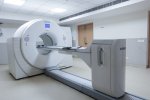
The arrival of a Positron Emission Tomography (PET) scanner at the Uganda Cancer Institute (UCI) could mark a step towards changing that trend, particularly for cancer patients who have had to travel abroad for specialised imaging.

Installation of the scanner is currently underway and is expected to take about two months.

A PET scan provides doctors with information about activity inside the body at a cellular level. When combined with CT imaging, it can help identify cancer, establish whether it has spread, determine its stage and assess how a patient is responding to treatment.

For many patients, however, the issue has never been only about having a machine. It is also about access to specialised expertise, confidence in local diagnosis and having the full range of services needed to manage complex conditions.

UCI has been developing its Division of Molecular Imaging and Therapy, with PET imaging forming part of a wider expansion of molecular imaging, radiopharmacy and targeted cancer treatment services. In 2025, the institute said development of PET facilities was part of the second phase of the project.

Will patients still need to travel abroad?
The PET scanner does not mean Ugandans will no longer travel abroad for medical care. Some highly specialised procedures, treatments or second opinions may still require services that are not yet available locally.

However, having advanced diagnostic technology in Uganda could reduce the need for some patients to leave the country simply to access specialised imaging or obtain more detailed information about their condition.

Img_2026_09_23_16_40_12.jpeg

The development also comes after the death of King Oyo Nyimba Kabamba Iguru Rukidi IV, who died aged 34 while receiving cancer treatment in the United States. His death has renewed public discussion about cancer care and access to specialised medical services.

A PET-CT cannot by itself prevent
deaths from cancer, and it does not replace biopsies, CT scans, MRI or other investigations. Its importance is that it gives specialists another tool to understand where cancer is located, how far it has spread and how it is responding to treatment.

The immediate task is now to complete installation, testing and commissioning, while preparing the technical and clinical teams required to operate the equipment safely.

For patients, the bigger question is no longer simply whether Uganda can acquire advanced medical equipment, but whether such investments can gradually build a health system where people feel they can access specialised diagnosis and treatment at home — without automatically having to look to Nairobi or further abroad.​
 

Attachments

  • Img_2026_09_23_16_40_12.jpeg
    Img_2026_09_23_16_40_12.jpeg
    286.1 KB · Views: 1
  • Nuclear-Medicine-12-1024x683-1.jpg
    Nuclear-Medicine-12-1024x683-1.jpg
    63.5 KB · Views: 1
For years, Ugandans needing specialised medical services have often looked beyond the country, with Nairobi and other regional destinations becoming common choices for patients seeking advanced diagnostics, specialist opinions or treatment.
View attachment 3676476

The arrival of a Positron Emission Tomography (PET) scanner at the Uganda Cancer Institute (UCI) could mark a step towards changing that trend, particularly for cancer patients who have had to travel abroad for specialised imaging.

Installation of the scanner is currently underway and is expected to take about two months.

A PET scan provides doctors with information about activity inside the body at a cellular level. When combined with CT imaging, it can help identify cancer, establish whether it has spread, determine its stage and assess how a patient is responding to treatment.

For many patients, however, the issue has never been only about having a machine. It is also about access to specialised expertise, confidence in local diagnosis and having the full range of services needed to manage complex conditions.

UCI has been developing its Division of Molecular Imaging and Therapy, with PET imaging forming part of a wider expansion of molecular imaging, radiopharmacy and targeted cancer treatment services. In 2025, the institute said development of PET facilities was part of the second phase of the project.

Will patients still need to travel abroad?
The PET scanner does not mean Ugandans will no longer travel abroad for medical care. Some highly specialised procedures, treatments or second opinions may still require services that are not yet available locally.

However, having advanced diagnostic technology in Uganda could reduce the need for some patients to leave the country simply to access specialised imaging or obtain more detailed information about their condition.

View attachment 3676477
The development also comes after the death of King Oyo Nyimba Kabamba Iguru Rukidi IV, who died aged 34 while receiving cancer treatment in the United States. His death has renewed public discussion about cancer care and access to specialised medical services.

A PET-CT cannot by itself prevent deaths from cancer, and it does not replace biopsies, CT scans, MRI or other investigations. Its importance is that it gives specialists another tool to understand where cancer is located, how far it has spread and how it is responding to treatment.

The immediate task is now to complete installation, testing and commissioning, while preparing the technical and clinical teams required to operate the equipment safely.

For patients, the bigger question is no longer simply whether Uganda can acquire advanced medical equipment, but whether such investments can gradually build a health system where people feel they can access specialised diagnosis and treatment at home — without automatically having to look to Nairobi or further abroad.​
This
 
For years, Ugandans needing specialised medical services have often looked beyond the country, with Nairobi and other regional destinations becoming common choices for patients seeking advanced diagnostics, specialist opinions or treatment.
View attachment 3676476

The arrival of a Positron Emission Tomography (PET) scanner at the Uganda Cancer Institute (UCI) could mark a step towards changing that trend, particularly for cancer patients who have had to travel abroad for specialised imaging.

Installation of the scanner is currently underway and is expected to take about two months.

A PET scan provides doctors with information about activity inside the body at a cellular level. When combined with CT imaging, it can help identify cancer, establish whether it has spread, determine its stage and assess how a patient is responding to treatment.

For many patients, however, the issue has never been only about having a machine. It is also about access to specialised expertise, confidence in local diagnosis and having the full range of services needed to manage complex conditions.

UCI has been developing its Division of Molecular Imaging and Therapy, with PET imaging forming part of a wider expansion of molecular imaging, radiopharmacy and targeted cancer treatment services. In 2025, the institute said development of PET facilities was part of the second phase of the project.

Will patients still need to travel abroad?
The PET scanner does not mean Ugandans will no longer travel abroad for medical care. Some highly specialised procedures, treatments or second opinions may still require services that are not yet available locally.

However, having advanced diagnostic technology in Uganda could reduce the need for some patients to leave the country simply to access specialised imaging or obtain more detailed information about their condition.

View attachment 3676477
The development also comes after the death of King Oyo Nyimba Kabamba Iguru Rukidi IV, who died aged 34 while receiving cancer treatment in the United States. His death has renewed public discussion about cancer care and access to specialised medical services.

A PET-CT cannot by itself prevent deaths from cancer, and it does not replace biopsies, CT scans, MRI or other investigations. Its importance is that it gives specialists another tool to understand where cancer is located, how far it has spread and how it is responding to treatment.

The immediate task is now to complete installation, testing and commissioning, while preparing the technical and clinical teams required to operate the equipment safely.

For patients, the bigger question is no longer simply whether Uganda can acquire advanced medical equipment, but whether such investments can gradually build a health system where people feel they can access specialised diagnosis and treatment at home — without automatically having to look to Nairobi or further abroad.​
This is great news. we need like more 3 and more MRI Machines across all regions. Currently we have only 2 MRI and in kampala. what will the person in Karamoja or Kabale do
 
For years, Ugandans needing specialised medical services have often looked beyond the country, with Nairobi and other regional destinations becoming common choices for patients seeking advanced diagnostics, specialist opinions or treatment.
View attachment 3676476

The arrival of a Positron Emission Tomography (PET) scanner at the Uganda Cancer Institute (UCI) could mark a step towards changing that trend, particularly for cancer patients who have had to travel abroad for specialised imaging.

Installation of the scanner is currently underway and is expected to take about two months.

A PET scan provides doctors with information about activity inside the body at a cellular level. When combined with CT imaging, it can help identify cancer, establish whether it has spread, determine its stage and assess how a patient is responding to treatment.

For many patients, however, the issue has never been only about having a machine. It is also about access to specialised expertise, confidence in local diagnosis and having the full range of services needed to manage complex conditions.

UCI has been developing its Division of Molecular Imaging and Therapy, with PET imaging forming part of a wider expansion of molecular imaging, radiopharmacy and targeted cancer treatment services. In 2025, the institute said development of PET facilities was part of the second phase of the project.

Will patients still need to travel abroad?
The PET scanner does not mean Ugandans will no longer travel abroad for medical care. Some highly specialised procedures, treatments or second opinions may still require services that are not yet available locally.

However, having advanced diagnostic technology in Uganda could reduce the need for some patients to leave the country simply to access specialised imaging or obtain more detailed information about their condition.

View attachment 3676477
The development also comes after the death of King Oyo Nyimba Kabamba Iguru Rukidi IV, who died aged 34 while receiving cancer treatment in the United States. His death has renewed public discussion about cancer care and access to specialised medical services.

A PET-CT cannot by itself prevent deaths from cancer, and it does not replace biopsies, CT scans, MRI or other investigations. Its importance is that it gives specialists another tool to understand where cancer is located, how far it has spread and how it is responding to treatment.

The immediate task is now to complete installation, testing and commissioning, while preparing the technical and clinical teams required to operate the equipment safely.

For patients, the bigger question is no longer simply whether Uganda can acquire advanced medical equipment, but whether such investments can gradually build a health system where people feel they can access specialised diagnosis and treatment at home — without automatically having to look to Nairobi or further abroad.​
Wako nyuma sana

Tanzania Ina sita
 
This is great news. we need like more 3 and more MRI Machines across all regions. Currently we have only 2 MRI and in kampala. what will the person in Karamoja or Kabale do
That's one problem solved , now how do they bring back the trust people had lost from the Health sector?
 
Back
Top Bottom