Russia and America: Stumbling to War

Russia and America: Stumbling to War

Vietnam just built mutual defense ties with Australia and has embraced western trade.
Alafu you are wrong kusema eti nchi zinajiunga na west! - siku hizi nchi hazichagui camps ila wana-Pivot everywhere - whether ni Shangai Cooperation Organisation (SCO), Latin America, India au Russia katika Eurasia Economic Union au wherever inaitwa Multi-Polar World.
Sasa kitu gani ambacho hujaelewa katika post yangu hapo juu! ... Nnchi zina-PIVOT EVERYWHERE! (Multi-Polar)
 
sijui kwann USA hawapend kuuza their most powerful weapons kwa their allies startin with f-22 na hii b-2
Why arming U.S. allies can be like sending weapons straight to the enemy
by David Axe
Opinions Mar. 30, 2015 - 06:24AM JST ( 6 )
WASHINGTON —
The United States has a long tradition of arming its allies to advance Washington’s foreign policy. In 1940, President Franklin D Roosevelt called the United States the “arsenal of democracy” as he pledged thousands of ships, tanks and warplanes to countries battling Nazi Germany.
Roosevelt’s characterization is no less true today. The U.S. government is sending large amounts of weapons to allies desperately battling Islamic State extremists in Iraq and Syria. Washington is also considering equipping the battered Ukrainian military, which has been fighting Russian-sponsored rebels in the country’s east.
Broadly speaking, there are two ways the United States can arm an ally. America can donate, or sell cheap, the latest U.S.-made weaponry. Or it can send foreign-made weaponry - Russian usually - through a middleman.
Policymakers settle on one method or a mix of both after weighing the benefits and risks to U.S. interests and the recipient’s own preference. Both approaches have advantages and disadvantages. Both are being used now in the Middle East.
First, sending U.S.-made weapons helps American manufacturers’ bottom lines. “Made in the USA” equipment also tends to be popular among U.S. allies because in many cases it is deadlier than Russian-produced hardware. But it is usually more complex and thus harder to use. And any time Washington gives its allies U.S.-made military hardware, there’s a chance the enemy could get its hands on the stuff. This is not only politically embarrassing; it potentially betrays the Pentagon’s technological secrets.
Alternatively, though Russian-made equipment is less prestigious, it is usually easier to operate, especially for armies that used Moscow’s weapons during the Cold War. Much of the available Russian weaponry, however, belongs to unreliable - sometimes quite shady - third parties. Working with these middlemen can prove politically costly for Washington. In addition, a lot of the old Russian gear is in poor condition.
Iraq’s military was largely equipped with Russian weapons when the U.S.-led coalition invaded in 2003. As the Americans began rebuilding the defeated Iraqi armed forces, Washington donated - or pushed Baghdad to purchase - billions of dollars’ worth of U.S.-made gear, including M-16 rifles, Humvees, M-1 tanks and F-16 jet fighters.
The idea was to make the Iraqi armed forces compatible with U.S. armed forces so that, in concept, the two militaries could fight side by side from the same facilities. Even sharing the same ammunition, spare parts and fuel.
Of course, the U.S. companies that manufacture the weapons also benefit.
When Baghdad proposed to acquire 36 F-16s, starting in 2011, the Pentagon’s Defense Security Cooperation Agency, which facilitates arms sales, justified the proposal to Congress by claiming that the jets would “greatly enhance Iraq’s interoperability with the United States and other North Atlantic Treaty Organization nations, making it a more valuable partner in an important area of the world.”
The Pentagon did not mention the risks inherent in handing over top-of-the-line U.S. hardware. But that danger soon became apparent. When Islamic State militants swept into northwest Iraq in the summer of 2014, they quickly routed the lavishly equipped but poorly led Iraqi army - and captured much of the high-tech U.S.-made weaponry the fleeing Iraqi soldiers left behind.
The equipment the Iraqi army abandoned in mid-2014 included at least one M-1 tank, hundreds of which the United States has sold to Iraq in recent years. The $4-million M-1 is viewed as the best tank in the world because of its tough armor, powerful main gun and high-tech sensors. It is one of the U.S. Army’s main advantages over rival armies.
It was bad enough that Islamic State snagged one or more M-1s among other U.S. weapons. U.S. officials expressed further alarm when, in late January, someone posted a video to YouTube depicting the Hezbollah Brigades, an Iraqi Shi’ite militia heavily backed by Iran, rolling into battle against Islamic State in a convoy that included at least one M-1.
It’s unclear how the Hezbollah Brigades, which Washington has labelled a terrorist group, acquired the M-1. But according to the Long War Journal, which first drew wide attention to the YouTube clip, it’s possible the Shi’ite fighters recaptured the tank from Islamic State.
If that’s true, then that key U.S. weapon is now in the arsenal of not one but two armed groups that Washington opposes, one of which enjoys strong ties to the regime in Tehran, with which the United States is also at odds.
The Pentagon has not proposed to cut off supplies of U.S.-made weaponry to Iraq, despite the tendency of these weapons to wind up in the arsenals of U.S. enemies. The Pentagon has spent $20 billion since 2003 training and equipping Iraqi forces to be more like U.S. forces - and isn’t about to declare that investment a total loss and start over.
But Washington is taking a different approach with its other ally in Iraq.
For decades, the United States backed the Kurds of northern Iraq in their wars of independence against Baghdad. In 1992, with U.S. warplanes flying top cover, the Kurds succeeded in establishing a mostly autonomous region inside Iraq.
But since the U.S.-led invasion of Iraq proper in 2003, the politics have changed. Now Washington has a major stake in preserving Iraq’s unity rather than shattering it. Until very recently, U.S. policy barred the Pentagon from directly arming the Kurds.
With its decades of experience and sound leadership, the Iraqi Kurdish army - the peshmerga - has been one of the most effective fighting forces in the campaign against Islamic State. The peshmerga have protected Kurdistan’s major cities. After briefly losing ground to Islamic State last summer, they are now steadily pushing back the militants.
But the peshmerga are a lightly armed militia equipped mostly with Cold War-vintage Russian weapons that they stole from the old Iraqi army or acquired on the black market. While brave and well-led, the Kurds have found themselves outgunned in battles with Islamic State.
The experience of peshmerga fighter Maarof Kabays is, sadly, typical. In August near the village of Zummar, militants attacked Kabays’ unit with tanks. “We did not have any heavy weapons to defend ourselves,” Kabays said. He and seven other fighters retreated. But only Kabays and one other man from the group survived.
That same month, President Barack Obama reversed the policy barring direct, overt arms transfers to Kurdistan. U.S. Air Force cargo planes promptly began parachuting crates of Russian-made guns and ammo to peshmerga units. One Pentagon official told the Guardian that the arms delivery was
“unprecedented.”

That’s not entirely true, however. The CIA had previously helped the Kurds set up their own intelligence agency. The intelligence agency covertly provided the peshmerga with a few small consignments of Russian-made weaponry.
In any event, the United States had to acquire the Russian weaponry before it could donate it to the Kurds. When direct provision of expensive U.S.-made weaponry is prohibited or impractical, sending Russian arms through a third party is Washington’s other way of arming an ally.
That approach has the benefit of precluding U.S. weaponry from ever falling into enemy hands. But the third-party strategy has its own drawbacks. It compels Washington to forge potentially compromising partnerships. The weapons that result are sometimes of dubious quality—perhaps unsurprising considering their source.
Now, we don’t know for sure where the peshmerga’s extra weapons came from before the Air Force dropped them in Kurdish territory, starting in August. It’s possible U.S. advisers in Iraq got the arms from old Iraqi warehouses. There have been discussions between Washington and Baghdad about the United States “backfilling” any equipment that Iraq donates to the Kurds.
But it’s also possible Washington went shopping abroad. There’s plenty of precedent for that kind of thing. Robert Grenier, the CIA’s former station chief for Pakistan and Afghanistan, revealed one such initiative in his new book, “88 Days to Kandahar.”
In mid-November 2001, the CIA was actively supporting pro-U.S. Afghan warlords battling the Taliban and al Qaeda in Afghanistan. Warlord Gul Agha Sherzai, who would later become one of Afghanistan’s most prominent politicians, begged for extra weaponry for his men as they prepared to attack the Taliban in Kandahar.
Grenier turned to his allies in the Pakistani government. General Jafar Amin, from Pakistan’s Inter Services Intelligence agency - the notorious ISI - arranged for a consignment of Pakistani army AK-47s and RPG-7 rockets for Gul Agha’s men in Pakistan. The U.S. Air Force dropped additional bundles of Pakistani weapons to Gul Agha’s men as they advanced across Afghanistan.
Counting on the ISI to arm U.S. allies was risky. Powerful, ideological and largely unaccountable to elected leaders, the ISI is arguably a destabilizing force not only in Pakistan but across Central Asia. In 2001, Grenier discovered that he could rely on the ISI to provide weapons - but not necessarily functional weapons.
“Gul Agha’s people reported that while the Pak-supplied RPG-7s were fine,” Grenier wrote, “the AK-47s were old and heavily used, and many were essentially unserviceable.”
“It’s possible that we had fallen victim to some surreptitious Pakistan army conspiracy to undermine the anti-Taliban war effort,” Grenier admitted. He added it was more likely a case of some supply officer dumping old weapons he no longer wanted in his warehouse.
Despite the shoddy equipment, Gul Agha and his troops still succeeded in taking Kandahar.
But the lesson should be clear. Equipping your ally via some third party - a necessity when the weapons in question are Russian-made - can be at least as risky as supplying U.S.-manufactured gear that the enemy might capture.
Arming an ally to fight on America’s behalf can save U.S. lives and money. But it’s not a foolproof strategy.
With U.S.-made weapons, the main danger lies in controlling where the hardware winds up. With Russian-made gear, the greater risk is in where the weapons came from.
 
TanzaniaLaw;Russia is provoking open war by marching into a sovereign nation that has made it clear they do not wish to hold to Russian values or the Russian sphere.

Meanwhile Vietnam and Cuba move to the West and the largely helpless Putin can do nothing, heehee.

Russia did not violate territorial integrity of any nation, what happened is that the Crimea was a home for A Russian Naval Fleet. By the way International Law does recognize the right to self determination. Crimea Ceded to Russia.
On Cuba Castro said he doesn't trust America and the communist party will likely spurn every synthetic friendship offered to them by the Obama Administration.
Well on Vietnam i do appreciate their Pragmatic approach;by the way its a multi-polar world who doesn't want to take part in international trade?
Understand it is just American BIG-STICK DIPLOMACY that sways the balance of power in the world
 
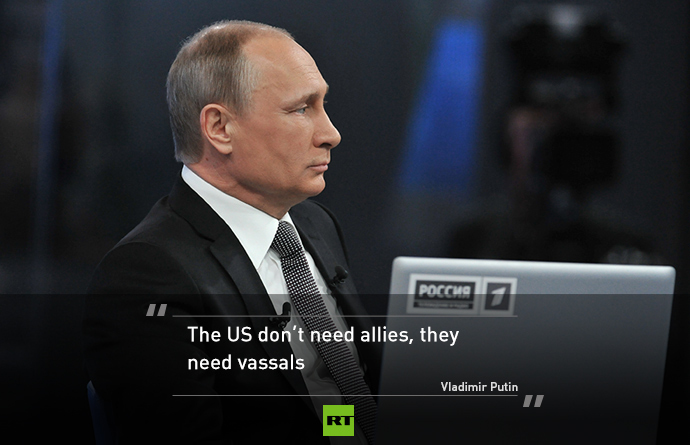
Amerika inatawala dunia kiasi kwamba nchi zote zinaonekana ni kama majimbo na mabalozi wa Marekani wanaonekana ni kama magavana katika nchi husika. Nchi nyingi za dunia zimeshindwa kuvumilia ubeberu huu na hakuna kiongozi yoyote anayeweza kukemea na kupinga zaidi ya Putin.
putin2.jpg


Video - msikilize Putin akielezea mwenyewe
:


c: Maziku Masunga Jr.cc: Maziku Masunga Jr.
 
Last edited by a moderator:
No you are wrong, Vietnam close to inking free trade deal with Eurasian Economic Union (Russia)


Alafu you are wrong kusema eti nchi zinajiunga na west! - siku hizi nchi hazichagui camps ila wana-Pivot everywhere - whether ni Shangai Cooperation Organisation (SCO), Latin America, India au Russia katika Eurasia Economic Union au wherever inaitwa Multi-Polar World.

Na huko nchi hazihitaji kufanya biashara kwa Dola tena ila ni Basket of Currencies au their own National Currencies kupitia currency swaps ... ndio maana unaona Marekani inahaha as dollar inaondolewa kwenye mfumo wa biashara ya Kimataifa.
Mkuu hebu tupia darasa refu kidogo kuhusu hizi habari. Au tupia hata link tu ili nichimbe mwenyewe.

Natanguliza shukrani.
 
putin2.jpg


Video - msikilize Putin akielezea mwenyewe
:

His recent remarks which came ​after, this, seems like he's loosen up a little and shows some moderation,.....sanctions at work?!
 
Last edited by a moderator:
Russia anaongea kama Luis Van Gaal wa Man U baada ya kufungwa kawa kimyaaaaa.
 
b2_spirit.jpg


The black, bat-like B-2 Spirit is the silver bullet of US policy, reserved for use against targets of the highest priority. This strategic bomber was designed during the Cold War. The whole development programme was kept in high secrecy.
Currently the B-2 is the most expensive aircraft ever built. The USAF operates only 20 of these strategic bombers due to their high price. This advanced aircraft was never offered for sale to any other country, even NATO allies.
The B-2 is almost invisible to radars due to its sophisticated design and radar-absorbent coating. It can easily overcome enemy air defense. Many of sensors and avionics of this warplane remain classified. Also it has a classified electronic warfare system.
This plane carries a powerful array of weaponry. It can carry about 18 000 kg of combat payload, including cruise missiles, thermonuclear free-fall bombs, and precision-guided bombs. It can fly over 12 000 km without the need to refuel.
Currently the B-2 Spirit is the best bomber ever built.

Hii ndo ilizimwa dashbord yake na ndege ya russia iliyokuwa haina weapon lakini ilikuwa na mfumo complicated wa ki electronic,
Russia bado wapo juu mkuu.
 
Hii ndo ilizimwa dashbord yake na ndege ya russia iliyokuwa haina weapon lakini ilikuwa na mfumo complicated wa ki electronic,
Russia bado wapo juu mkuu.
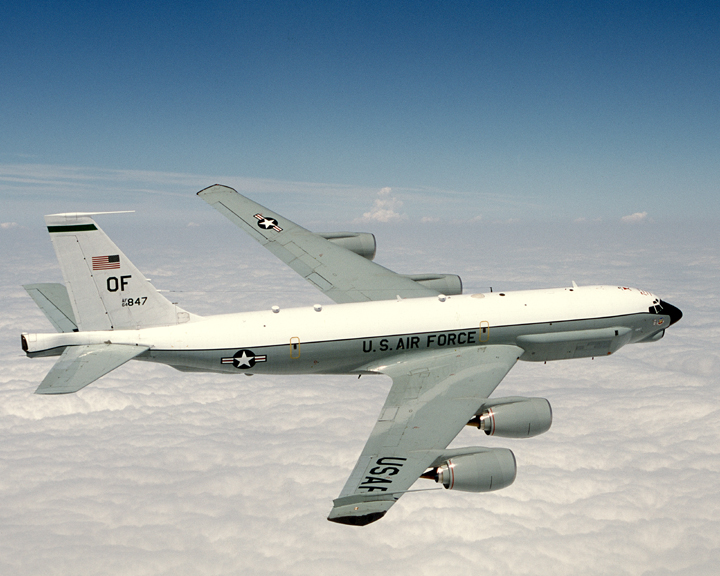
Mkuu iliyozimwa ni hii,
RC-135U-Combat-Sent.jpg

[h=1]According to U.S. Defense officials, the one between a U.S. RC-135U and a Russian Air Force Su-27 Flanker was something more than a routine intercept.[/h]The RC-135U is one of the most secretive U.S. surveillance planes. It provides strategic electronic reconnaissance information, performing signal analysis by means of a wide variety of commercial off-the-shelf and proprietary hardware and software, including the Automatic Electronic Emitter Locating System.
In short, the Combat Sent can simultaneously locate, identify, and analyze multiple electronic signals.
Only two such kind of RC-135 are operated by the 55th Wing from Offutt Air Force Base, Nebraska but they are usually deployed abroad to keep an eye where needed.
On Apr. 23, a U.S. Air Force RC-135U Combat Sent performing a routine surveillance mission in international airspace over the Sea of Okhotsk, north of Japan, some 60 miles off eastern Russia was intercepted by a Russian Su-27 Flanker.
Unlike almost all similar episodes, occurring quite often during and after the Cold War across the world, the one conducted by the Russian Air Force Su-27 at the end of April was a "reckless intercept", "one of the most dangerous aerial encounters for a U.S. reconnaissance aircraft since the Cold War," according to Defense Officials who talked to Washington Free Beacon's Bill Gertz, who first unveiled the near collision.
According to the Pentagon, the first part of the interception was as standard: the Su-27 (most probably the leader of a flight of at least two Flankers) approached the RC-135U and positioned more or less abeam the "intruder". Then, instead of breaking away after positive identification of the "zombie" without crossing the line of flight of the intercepted aircraft, the Su-27 crossed the route of the U.S. spyplane putting itself within 100 feet of the Combat Sent.
A dangerous maneuver (not compliant with the international standards) that momentarily put the two aircraft in collision course.
An episode that reminds the far more dangerous close encouter of another U.S. spyplane with the Chinese Navy back in 2001.
On Apr. 1, 2001, a U.S. Navy EP-3E with the VQ-1, flying an ELINT (Electronic Intelligence) mission in international airspace 64 miles southeast of the island of Hainan was intercepted by two PLAN (People's Liberation Army Navy) J-8 fighters.
One of the J-8s piloted by Lt. Cdr. Wang Wei, made two close passes to the EP-3 before colliding with the spyplane on the third pass. As a consequence, the J-8 broke into two pieces and crashed into the sea causing the death of the pilot, whereas the EP-3, severely damaged, performed an unauthorized landing at China's Lingshui airfield.
The 24 crew members (21 men and three women), that destroyed all (or at least most of ) the sensitive items and data on board the aircraft, were detained by Chinese authorities until Apr. 11.
Anyway, Russian pilots have been involved in similar incidents during intercept missions during the years. Just two examples.
On Sept. 13, 1987, a RNoAF P-3B had a mid air collision in similar circumstances with a Soviet Sukhoi Su-27 Flanker over the Barents Sea.
In Apr. 2012, whilst flying over the Barents Sea on a routine mission, a Norwegian P-3 Orion came across a Russian Air Force Mig-31 Foxhound.

Image credit: U.S. Air Force
 
His recent remarks which came ​after, this, seems like he's loosen up a little and shows some moderation,.....sanctions at work?!
What sanctions?! - Russia Economy is growing!

Today, the answer is becoming clear—and it’s not the one the West was hoping for.

  • Not only is Putin still standing, but
  • The Russian economy, against most expectations, is recovering... in the last three months the rouble has appreciated by 30%.
  • Its stock market is one of the best performing globally this year; the ruble, after losing nearly half its value against the dollar over the course of a year, is rebounding;
  • Interest rates have come down from their post-sanctions peak; on March 13th the Russian central bank cut interest rates to 14%, down from 17% in December.
  • The Russian current account will hit a $65 billion surplus this year.
  • the government is taking in more revenue than its own forecast expected;
  • and foreign exchange reserves have risen nearly US$10 billion from their post-crisis low.

And the sanctions are merely accelerating the decline of the US and the rise of the BRICS block (Multi-Polar World) with new competing institutions that will eventually overtake the western controlled institutions

Alafu unajua Mkuu kui you should carefully distinguished between two groupings in the Russian government, kuna kundi la kwanza which is convinced kuwa relations with the West inawezakuwa repaired; na kuna kundi la pili ambalo linaamini kuwa Russia must prepare for a protracted conflict.

Sasa unajua Putin yeye is still inclined toward the first camp na si ideologically driven. He is “not crazy” and “not a Communist,”. Putin, na watu kama Foreign Minister Sergey Lavrov, ukitazama wapo very relatively moderate on Ukraine and relations with the United States.

Sasa ukifananisha na lile kundi la pili ambalo ni hatari .... wao wanaamini katika “second school of thought” in Russia, wanaamini kuwa the Kremlin should “absolutely challenge the existing world order” na pia wawa-treat the United States as Russia’s main enemy! - hili kundi ni la kina Dimitry Rogozin (yeye ni Naibu waziri Mkuu wa Russia) ... huyu jamaa ni hatari sana na hata mara nyingi ukifuatilia tweets zake ni very confrontational, bythe way yupo kwenye sanction list na kama unakumbukuka ndie alitweet Russia bombers akawatisha Moldova wakati walipomnyima ndege yake isipite anga la nchi yao - aka-tweet kuwa anapita ila akirudi atarudi na ndege ya mabomu ya bear alafu tuone kama watamzuia!! - sasa je can you imagine watu kama hao ndio wangekuwa madarakani Russia hali ingekuwaje?

Putin is always Pragmatic na reasonable na ndio maana hata tokea mwanzo alikuwa anawaambia Ukraine wakae meza moja na watu wa East waongee wayamalize matatizo yao bila kutumia nguvu.

Read more:

1. http://nationalinterest.org/feature/putin-russia%E2%80%99s-last-remaining-pragmatist-12398.

2. http://www.newsweek.com/2015/04/24/putin-was-right-be-confident-about-russias-economy-321934.html

3. http://www.nytimes.com/2015/03/06/opinion/why-sanctions-on-russia-will-backfire.html
 
Mkuu hebu tupia darasa refu kidogo kuhusu hizi habari. Au tupia hata link tu ili nichimbe mwenyewe.

Natanguliza shukrani
.
Mkuu mjasiria ..

Hili somo ni pana sana ... sasa sijui nianzie wapi ili kukueleza ili uelewe vizuri - maana inabidi uwe na uelewa wa mambo mengi kwa undani.

Na mbaya zaidi mambo hayo mengi huwa yanafichwa hayaongelewi wazi wazi na hata ukiona viongozi wa kidunia wanakutana hawasemi waziwazi kwa sababu ya hofu mbalimbali ila utaona kutokana na actions ambazo huwa zinachukuliwa.

Baadhi ya mambo ambayo unatakiwa uyajue ili kuelewa what is going on ni pamoja na:


  • Geopolitics
  • Multipolar World
  • US Dollar as World Currency Reserve
  • Petrodollar
  • Gold backed Currency vs Fiat Money
  • The Role of SWIFT katika International Trade & SWIFT blockade
  • Weaponization of Information, Culture and Money
  • BRICS countries' launch of the New Development Bank last July)
  • Russia backed Eurasia Union & Eurasia Economic Union
  • Asian Infrastructure Investment Bank (AIIB)
  • IMF and World Bank

Sasa wewe katika muda wako jaribu ku-search vyanzo mbalimbali vya habari juu ya field hizo utaanza kupata picha ya namna mambo yalivyo pamoja na the role ya US.

Sasa huwezi ukakuta Rais akasimama akasema Marekani inatawala dunia kwa Blackmail au akatamka hadharani kuwa anatishwa na CIA ili afanye mambo fulani au la siri zake za mambo binafsi zitaanikwa nje sasa wengi wanakuwa blackmailed ndio maana hawawezi kusema.

Anyway, kuna forces nyingi ambazo hutumika ili kutawala dunia na kwa sasa nafasi hiyo imekuwa inashikiliwa na Marekani kwa muda mrefu - kama miaka 70 hivi na ndio maana US Dola ndio inatumika katika world business & as a reserve currency - ila sasa ndio inafikia mwisho as dunia imeamua kupunguza nguvu ya Marekani kiuchumi na hela yake.

Sasa mfumo wa duania sasa hivi unaipa Marekani upendeleo mkubwa sana dhidi ya nchi nyingine katika masuala ya kiuchumi na ki-biashara.

As long as Dollar ya Marekani ndo inatumika as
World Reserve Currency;

  • Inaipa Marekani nguvu ya kuchapisha Dollar za ziada ili kukidhi mahitaji yake ya kijeshi na kiuchumi,
  • Kwa hiyo utakuta ana uwezo mkubwa wa kutengeneza silaha za aina mbalimbali zaidi ya nchi nyingine,
  • Kuanzisha na kumiliki thousands of military bases worldwide kuliko mataifa mengine.
  • Ana uwezo mkubwa wa kukopa kiasi chochote cha pesa kutoka kwenye mabenki mbalimbali duniani bila ya kuwa na woga as mwisho wa siku ni hela yake hiyo hiyo ndo inatumika katika International Trade!
  • Sasa mkimkatalia yeye anaingia kiwandani anaprint new dollars alafu anaziingiza katika mzunguko na wala nyie hamtajua kuwa ama-print dola mpya! (kwa kifupi anaishi kama KUPE katika world market.

Sasa kila nchi inayotaka kui-challenge Marekani katika mfumo huo huwa inavamiwa kijeshi na Regime yake huwa inaondolewa madarakani (mind you sio kiongozi mkubwa tu - i mean rais hapana ila ni uongozi wote wa nchi ili waanze fresh na watu watakaofuata mfumo wao na kuendelea kuitumia Dola nchini mwao.

Sasa chanzo cha yote haya ni kuwa zamani katika biashara ya dunia ilikuwa ili ufanye biashara ya kimataifa ni lazima uwe na gold sasa US Dollar ilikuwa pegged katika Gold Standard sasa inamaana kuwa kama una (dollar 100 basi ni sawa kama una gold lets say kilo 1 - ni mfano tu sio viwango sawa) sasa ukienda kununua kitu nchi nyingine utatoa ile dola 100 na ile nchi itaweza kuipeleka Marekani na kupewa gold kilo 1 mwisho wa siku.

Sasa hali hiyo ilibadilika miaka ya 1970 wakati Rais wa marekani Nixon alipoaamua kuiondoa Marekani kwenye mfumo wa Gold system ila akaongea na Saudia Arabia na wakakubaliana kuwa maadam Saudia ni mzalishaji wa mafuta mkubwa zaidi duniani badi mafuta yake auze katika dola alafu Marekani atasimamia ulinzi wa nchi yake.

Ndio maana hata leo Marekani inailinda Saudia Arabia kijeshi, kwahiyo Saudia akimwambia Marekani piga nchi fulani basi hiyo nchi ni lazima ipigwe tu (mfano angalia what is going with Iran & Syria now).

Na hii imepelekea Saudia Arabia kuwa rafiki na Israel ambae ni taifa lingine rafiki wa US. Silaha huwa zinatoka Marekani zinaenda Israel na Israel anampatia Saudia - yaani wao lote ni moja. Kimsingi ungetegemea kuwa Israel na Saudia wawe maadui kwa ajili ya Uislam na Uyahudi kwenye masuala ya Palestina lakini siyo hiyo wote wanakutanishwa na Marekani.


Sasa Saddam Hussen ndio alikuwa wa kwanza ku-challenge mfumo wa Marekani kwani alitaka kuuza mafuta yake kwenye Euro, kimsingi alikuwa ananza kuionyesha dunia kuwa unaweza pia ukauza katika Euro! - sasa ukimwachia mtu kama huyo inamaana unahatarisha uchumi wa Marekani kwa hiyo hakukuwa na jinsi wakamwingiza mkenge wakamdanganya eti Kuwait inaiba mafuta ya Iraq na alafu eti ni sehemu ya Iraq kwa mujibu wa ramani za zamani, Saddam akaingia mkenge akaivamia Kuwait na Marekani akapata sababu ya kuivamia Iraq katika vita ya kwanza ya Ghuba na katika ya pili wakaamua kummaliza kabisa.

Sasa wenyewe wameshatoa serekali iliyokuwa inawachallenge so hawana shida tena hata kama wakiuana kiasi gani yeye haimuhusu.

Wa pili aliekosea tena ni Qaddafi, yeye alikuja na mfumo wake wa eti Afrika Union iwe na hela yake yenyewe (Africa Gold Dinar) ambayo itakuwa inakuwa-backed na Gold, sasa ukianzisha mfumo wa gold Africa ndio imejaa kibao wakati Ulaya na Marekani hawana Gold - inamaana wewe unataka kuichallenge America & Europe wakaona isiwe tabu wakatafuta watu wa kuandamana (mind you watu wa kuandamana wapo hata hapa Tanzania hawakosekani) sasa wakati wanaandamana wenyewe walikuwa wana watu wao ambao wakavamia makambi ya Jeshi na kuiba silaha ili kuanza kuichallege serikali ya Libya - anyway mwisho wake unajulika - Gadafi hayupo na Libya imerudi kwenye stone Age & mradi wa Africa Union umekwisha - na wenyewe wanaadelea kuinyonya dunia.

Hivyo hivyo kwa Sudan, Syria, Venezuela & Russia - hizi nchi zote mgogoro mkubwa ni kwa sababu zina mafuta na zinataka kuachana na kuuza kwa dollar so unaichallenge Amerika.

Kwa Russia hapo ndio amefika maana Russia ndio alimpiku Saudia kama mzalishaji mkubwa wa Mafuta duniani pamoja na gesi. Sasa Russia akaanza kupata nguvu ya kiuchumi akamlinda Syria wakati walikuwa wanataka kumshambulia - ataclose dili kuwa kama suala ni silaha za maangamizi basi wao watasimamia kuhakikisha kuwa wanaziondoa (America ikakasirika sana) maana lengo lao la kumtoa Assad limeshindikana wakaona Russia anawaingilia wakaamua nawao kuvuruga Ukraine ili kumharibia Russia mipango yake ya kuanzisha Eurasia Economic Union (kwa kuivuta Ukraine isiingie katika EEC).

Wakaandaa mpango wa kuiangusha serikali ili Ukraine isiwe katika umoja na Russia na pia kwa sababu Russia ana kambi kubwa pale Crimea ya kijeshi toka hata Marekani haijawa Taifa yaani kwenye Sevastopol was founded as Russia Naval base mwaka 1783. Sasa Ukraine na Russia ni kama kitu kimoja na Marekani & NATO walitaka wawanyang'anye base ya Warusi crimea. Mrusi akashtuka akawahi aka-annex crimea akaweka silaha zake tayari kwa lolote Marekani wakanywea. Ndio maana wanamchukia Putin & Russia kwa kuwa hawezi kupigana nao as itakuwa ndio mwisho wa Taifa la Marekani & Europe as we know it.


Wakaona la kufanya ni kumdhoofisha Russia kiuchumi, ikiwa ni pamoja na kuzui miradi yake ya gesi katika Europe (mfano mradi wa South Stream gas) ambao ulikuwa upeleke gesi Bulgaria na nyingino. Wakaenda kina Macain wakawatisha Viongozi wa Bulgaria ambapo mradi ungeanzia matokeao yake wakaanza kuwasumbua Warusi na kampuni yao ya Gesi ya Gazprom, Putin akaona sio shida aka-cancel mradi mzima (wazungu wakanuna), EU ikaja juu nk Ila yeye (Russia) akaamua kubadilisha ruti kupitia Black Sea mpaka Turkey (ikabadilika jina akauita mradi Turkish Stream) alafu kutoka hapo utaserve Greece, Italy, Austria na nyinginezo. Europe wakawa wanaangalia tu hawana la kufanya.

Na zaidi ya yote Putin aka-sign mradi mkubwa kuliko wote duniani wa Gesi wa thamani wa dollar Bil 400 na China kwa hiyo hana shida tena na Europe kihivyo so wali-miscalculate.

Hiyo imepelekea Russia kuanza kushirikiana na China na hapa ndio MultiPolar World inapoanza kushika kasi sana na hakuna njia yeyote ambayo America anaweza kuzuia as kuanzisha vita hawezi & it will be too cost to them & Russia doesn't care much.

Europe baada ya kuona what is happenning waaanza kushtuka as ni ngumu kwao kupata replacement ya gesi ya Russia & Natural Resources as most sasa zinaanza kuelekea China! - wapo wanaotaka vikwazo visitishwe ili waendelee kupata soko la Russia. Kwa upande wa China yeye anafurahi as Amerika ilikuwa inamtisha na Navy Blockade katika South China sea ambapo US alikuwa anauwezo wa kusimamisha meli za kupeleka Oil & gas to China ila sasa atavipata hivyo vitu kutoka Russia kwa bei nafuu.

Pia Russia atampatia ulinzi kwa kuwa ana Advanced Military Hardware ambazo zinauwezo wa kumzuia US na sasa ameshaanza kumuuzia silaha kama s400 (hii ni very advance as inafika mpaka near space) ni tofauti na zile za Iran (s300), anamuuzia very advanced planes na kadhalika.

In general US amefeli as katika sera ya US miaka yote ni Never let China & Russia be together katika friendly terms as itachange power ya dunia sasa ujinga wao umesababisha threat kuwa sana katika utawala wao wa dunia & there is no way wanaweza ku-recover what they did labda wamuue Putin na wala sio dawa as waliochini ya Putin ndio hatari zaidi wenyewe hawataki tena masikilizano na US.

Nao the main problem katika haya wakati US inafifia power yake actually Giving up the spotlight is never easy. The United States, like many aging celebrities, is struggling to share the stage with new faces, especially China. The upcoming meetings of the International Monetary Fund and the World Bank – two institutions dominated by the US and its Western allies – provide an ideal opportunity to change that.

The US must come to terms with the reality that the world has changed. The longer the US remains in a state of denial, the more damage it will do to its interests and its global influence, which remains substantial, if more constrained than before.

The world no longer adheres to the static Cold War order, with two blocs locked in open but guarded confrontation. Nor does it work according to the Pax Americana that dominated in the decade after the Soviet Union's collapse, when the US briefly emerged as the sole superpower.

Today's world is underpinned by a multipolar order,
which emerged from the rise of developing economies – most notably China – as major actors in trade and finance. The US – not to mention the other G-7 countries – now must compete and cooperate not only with China, but also with India, Brazil, and others through expanded forums like the G-20.

To this end, the US must show leadership and adaptability. It cannot refuse to support China's efforts to expand its role in global governance. Nor should it issue harsh rebukes to its allies when they do not follow suit, as it did when the United Kingdom announced its intention to join the new China-led Asian Infrastructure Investment Bank.

The US seems to be stuck in the Bretton Woods system, the rules-based order – underpinned by the IMF and the World Bank, with the US dollar at its heart – that emerged after World War II. The Bretton Woods system institutionalized America's geopolitical supremacy, leaving the old imperial power, the UK, to step aside – a step that it took graciously, if a little desperately, given its grave postwar economic situation.

Over the years, however, the Bretton Woods system, with its mix of liberal multilateralism and market-oriented economic policies, has come to symbolize the Anglo-American dominance of the global economy that much of the world now criticizes, especially since the global financial crisis. In particular, the Washington Consensus – the set of free-market principles that influences the policies of the IMF, the World Bank, the US, and the UK – has generated considerable resentment, especially after the Asian financial crisis of the 1990s.

Against this backdrop, it is hardly surprising that China has been using its growing global influence to help engineer a new economic order – one in which the US dollar does not reign supreme.

Zhou Xiaochuan, the governor of the People's Bank of China, China's central bank, has repeatedly called for a shift toward an international monetary system that allows for the use of multiple currencies for payments and investment. Such an approach would reduce the risk and impact of liquidity crises, while decoupling the international monetary system from the "economic conditions and sovereign interests of any single country."


Of course, China believes that its own currency, the renminbi, should eventually play a central role in this new monetary system, so that it reflects China's role not only as a leading engine of global economic growth, but also as the world's largest creditor. Indeed, together with the other systemically important economies (the US, the UK, Japan, and the eurozone) China drives trends that, for better or worse, extend far beyond its borders.

Since 2009, China's leadership has been pursuing a set of policies that encourage the use of the renminbi in regional trade and reduce its dependence on the dollar in international payments. But expanding the renminbi's role in the international monetary system is just the first step toward institutionalizing a multipolar world order.

Sasa hapa ndio palipokuwa na shida, kwa sababu Dollar inapata uhalali kwa sababu inaweza kununua mafuta & gas na ndio msingi wa International Business as mwisho wa siku nchi ni lazima zinunue / import mafuta (sasa Dollar inaitwa (Petrodollar) na ndio maana ina nguvu, ilikuwa huwezi kununua mafuta kwa hela yeyote zaidi ya Dollar... sasa waliojaribu walipigwa vita;

  • Saddam - Iraq,
  • Gaddafi - Libya,
  • Syria wamempelekea Alqaeda & ISIS huko anahangaika nao (mind you hawa walikuwa trained na USA pamoja na Qatar na walikuwa funded na Saudia kwa ajili ya kazi hii hii
  • Venezuela - wanamatatizo ya kiuchumi wana vikwazo baridi na wanataka Regime change,
  • Sudan - wamepiganishwa wao kwa wao wee mpaka wameigawa nchi ila bado wanamtaka Rais wa Sudan (North) aende The Hague,
  • Iran ndio anafuatia ila Russia anamtetea pamoja na kumpa silaha za kujilinda sasa (s300 missile) ndio maana wanalalamika US, Saudia & Israel.

Sasa baada ya kumjaribu vikwazo Russia - yeye kwa sababu mpango mzima anaujua akaamua kumwaga mboga kabisa - yeye akasema kuanzia sasa atauza mafuta yake kwa Ruble pamoja na YUAN ya China!

Sasa umeona hii - YUAN ya China ghafla imefanikiwa kuwa PETRO-YUAN kama ilivyo PETRO-DOLLAR!. Kwa hiyo ukiwa na Yuan utaweza kununua mafuta na gesi kutoka Russia pamoja na nchi nyingine kama Venezuela, Syria nk - hii ni kwa sababu ya Russia.

Kwa hiyo kwa mara ya kwanza kabisa YUAN imekuwa sawa na Dollar na nchi duniani hazilazimiki tena kuweka dollar as Reserve - maana yake ni kuwa ukiwawekea watu vikwazo wao waendelea kufanya biashara na China so USA ndio itakayokosa dili mwisho wa siku.

Haraka haraka China akaanzisha Currency SWAP baina ya nchi na nchi ili mfanye biashara kati ya nchi na nchi bila ya kutumia US Dollar! - kimsingi ni kuwa unaiondoa USD katika International Business.


Tatizo moja lilikuwa limebaki - ni SWIFT (njia ya kutuma pesa electronically duniani) maana USA ndio ina control na angeweza ku-block hizo transactions maana alishawahi kufanya hivyo sana tu, sasa katika kusolve hilo Russia ameshaanzisha mfumo wake wa kutuma pesa electronically (SWIFT) alternative na imeshaanza kufanya kazi & kama hiyo haitoshi Russia kwa kushirikiana na China wameshaanzisha SWIFT alternative kati yao & of which itakuwa rolled-up kwa member wa BRICS nations na wengine watafuata (MultiPolar) so hakuna haja tena ya kumuogopa US as The world is moving away from Brenton Woods Institutes (World Bank & IMF) as they are controlled by US.


China has also spearheaded the establishment of new multilateral institutions, with AIIB following on the heels of the New Development Bank, created with other major emerging economies (Brazil, Russia, India, and South Africa).

By taking these steps, China's leaders have called attention to the inadequacy of the existing international monetary system, and its institutional framework, in today's complex, multipolar world economy. In particular, China's agenda highlights questions about America's capacity to provide the needed liquidity to support international trade and finance.

To be sure, the US is right to wonder whether the new order that China hopes to build will be as open and rules-based as the American-led order – the one that gave China the market access it needed to achieve its spectacular economic rise. But the answer to that question can be found only by engaging China on the issue of reform of global governance – not by denying that change is needed at all.

As the US stubbornly pursues a policy of containment toward China – exemplified in its fight against the AIIB's establishment, its relentless accusations of currency manipulation, and its refusal to ratify IMF reforms that would increase China's influence – it risks losing its ability to shape what comes next. The result could be a world of fragmented blocs – an outcome that would undermine not only global prosperity, but also cooperation on shared challenges.

The Spring Meetings of the IMF and the World Bank offer an important opportunity to signal a new approach toward China. And
there could be no more credible signal than US support for the renminbi's addition to the basket of currencies that the IMF uses to value its international reserve asset, the Special Drawing Right. America will be in the spotlight once again. But how will it perform?


-------------------

You can read more:

1. Petrodollar
2. The Death Of The Petrodollar Was Finally Noticed | Zero Hedge
3. Russia Just Pulled Itself Out Of The Petrodollar | Zero Hedge
4. The Collapse Of The Petrodollar: Oil Exporters Are Dumping US Assets At A Record Pace | Zero Hedge
5. US Threatens Russia Over Petrodollar-Busting Deal | Zero Hedge
6. Renminbi-Rising: American Leadership In A Multipolar World | Zero Hedge
7. http://blogs.lse.ac.uk/europpblog/2...he-cancellation-of-the-south-stream-pipeline/
8. Europe and energy: A twist in the pipeline | The Economist
9. BRICS: A thorny path to a multi-polar world | Russia & India Report
10.
11.
12.

So Mkuu mjasiria .. endelea kutafuta vyanzo mbalimbali kama

  • Geopolitics
  • Multipolar World
  • US Dollar as World Currency Reserve
  • Petrodollar
  • Gold backed Currency vs Fiat Money
  • The Role of SWIFT katika International Trade & SWIFT blockade
  • Weaponization of Information, Culture and Money
  • BRICS countries' launch of the New Development Bank last July)
  • Russia backed Eurasia Union & Eurasia Economic Union
  • Asian Infrastructure Investment Bank (AIIB)
  • IMF and World Bank

Hili sual ni pana mno ili uweze kuelewa MultiPolar World & how it is operated lakini nafikiri nimekupa angalau mwanzo wa wewe ku-research zaidi kuhusu hili ila hii ndio mwanzo wa dunia mpya ambayo haikwepeki.

cc:
Bukyanagandi Elungata mng'ato Extraterrestrial Gagnija TanzaniaLaw 2013 sodoliki MALCOM LUMUMBA Consigliere Viva89 Pasco GAUTAMA PTER . Bukyanagandi .. kui
 
Last edited by a moderator:
Mkuu Dotworld nimekusoma vizuri. Hii dunia ukiangalia vizuri inaendeshwa na wahuni kila sehemu. Kaazi kwelikweli, halafu sasa kuna watu kazi yao ukasuku tu.
Mkuu mjasiria . kwa sababu uliniomba nijaribu kukuelezea kuhusu mambo haya yanavyokwenda ndio maana nimejaribu kwa haraka haraka.

Ila kwa kweli mambo haya ni magumu na yanatakiwa unayaangalia kwa mapana ili uweze kuelewa ni vizuri ukafuatilia hizo links nilizokupa ili uanze kupata angalau picha itakayoweza kukupa mwanga.

Sasa kwa wasiofahamu wengi huwa wanakuwa na narative ambayo yeye kaona katika TV akafikiri ndio ukweli wenyewe wa mambo as mara nyingi kwenye TV huwa wanaochaguliwa kuwa Ripoterers huwa ni CIA's ambao huwa wapo upande wa News sasa wao huwa wanatwist habari ili kumisinform watu ili kulinda their hegemony. (refer Weponisation of Information)

Sasa katika ulimwengu huu ambao unaanza wa MultiPolar utakuta ukweli unaanza kujulikana kwani vyombo vya habari vinazidi kusambaa na kuongezeka na ni kutoka mataifa mbalimbali so unatakiwa ufuatilie story kutoka kwenye vyanzo vingi vya habari as vingi huwa vipo biased.
 
Mkuu Dotworld, Ahsante sana kwa darsa zuri, hakika nimejifunza mengi, mengi sana kupitia hili bandiko lako, nachokiona ni anguko la Marikani ingawa si kwa haraka, litachukua muda na hataaanguka sana, atakua kama Uingereza, na pengine itachukua miaka hata 30, nachokiona kwa sasa Russia nae ameamua kuingia katika vita ya kiuchumi dhidi ya Marikani.
 
Last edited by a moderator:
Mkuu mjasiria ..

Hili somo ni pana sana ... sasa sijui nianzie wapi ili kukueleza ili uelewe vizuri - maana inabidi uwe na uelewa wa mambo mengi kwa undani.

Na mbaya zaidi mambo hayo mengi huwa yanafichwa hayaongelewi wazi wazi na hata ukiona viongozi wa kidunia wanakutana hawasemi waziwazi kwa sababu ya hofu mbalimbali ila utaona kutokana na actions ambazo huwa zinachukuliwa.

Baadhi ya mambo ambayo unatakiwa uyajue ili kuelewa what is going on ni pamoja na:


  • Geopolitics
  • Multipolar World
  • US Dollar as World Currency Reserve
  • Petrodollar
  • Gold backed Currency vs Fiat Money
  • The Role of SWIFT katika International Trade & SWIFT blockade
  • Weaponization of Information, Culture and Money
  • BRICS countries' launch of the New Development Bank last July)
  • Russia backed Eurasia Union & Eurasia Economic Union
  • Asian Infrastructure Investment Bank (AIIB)
  • IMF and World Bank

Sasa wewe katika muda wako jaribu ku-search vyanzo mbalimbali vya habari juu ya field hizo utaanza kupata picha ya namna mambo yalivyo pamoja na the role ya US.

Sasa huwezi ukakuta Rais akasimama akasema Marekani inatawala dunia kwa Blackmail au akatamka hadharani kuwa anatishwa na CIA ili afanye mambo fulani au la siri zake za mambo binafsi zitaanikwa nje sasa wengi wanakuwa blackmailed ndio maana hawawezi kusema.

Anyway, kuna forces nyingi ambazo hutumika ili kutawala dunia na kwa sasa nafasi hiyo imekuwa inashikiliwa na Marekani kwa muda mrefu - kama miaka 70 hivi na ndio maana US Dola ndio inatumika katika world business & as a reserve currency - ila sasa ndio inafikia mwisho as dunia imeamua kupunguza nguvu ya Marekani kiuchumi na hela yake.

Sasa mfumo wa duania sasa hivi unaipa Marekani upendeleo mkubwa sana dhidi ya nchi nyingine katika masuala ya kiuchumi na ki-biashara.

As long as Dollar ya Marekani ndo inatumika as
World Reserve Currency;

  • Inaipa Marekani nguvu ya kuchapisha Dollar za ziada ili kukidhi mahitaji yake ya kijeshi na kiuchumi,
  • Kwa hiyo utakuta ana uwezo mkubwa wa kutengeneza silaha za aina mbalimbali zaidi ya nchi nyingine,
  • Kuanzisha na kumiliki thousands of military bases worldwide kuliko mataifa mengine.
  • Ana uwezo mkubwa wa kukopa kiasi chochote cha pesa kutoka kwenye mabenki mbalimbali duniani bila ya kuwa na woga as mwisho wa siku ni hela yake hiyo hiyo ndo inatumika katika International Trade!
  • Sasa mkimkatalia yeye anaingia kiwandani anaprint new dollars alafu anaziingiza katika mzunguko na wala nyie hamtajua kuwa ama-print dola mpya! (kwa kifupi anaishi kama KUPE katika world market.

Sasa kila nchi inayotaka kui-challenge Marekani katika mfumo huo huwa inavamiwa kijeshi na Regime yake huwa inaondolewa madarakani (mind you sio kiongozi mkubwa tu - i mean rais hapana ila ni uongozi wote wa nchi ili waanze fresh na watu watakaofuata mfumo wao na kuendelea kuitumia Dola nchini mwao.

Sasa chanzo cha yote haya ni kuwa zamani katika biashara ya dunia ilikuwa ili ufanye biashara ya kimataifa ni lazima uwe na gold sasa US Dollar ilikuwa pegged katika Gold Standard sasa inamaana kuwa kama una (dollar 100 basi ni sawa kama una gold lets say kilo 1 - ni mfano tu sio viwango sawa) sasa ukienda kununua kitu nchi nyingine utatoa ile dola 100 na ile nchi itaweza kuipeleka Marekani na kupewa gold kilo 1 mwisho wa siku.

Sasa hali hiyo ilibadilika miaka ya 1970 wakati Rais wa marekani Nixon alipoaamua kuiondoa Marekani kwenye mfumo wa Gold system ila akaongea na Saudia Arabia na wakakubaliana kuwa maadam Saudia ni mzalishaji wa mafuta mkubwa zaidi duniani badi mafuta yake auze katika dola alafu Marekani atasimamia ulinzi wa nchi yake.

Ndio maana hata leo Marekani inailinda Saudia Arabia kijeshi, kwahiyo Saudia akimwambia Marekani piga nchi fulani basi hiyo nchi ni lazima ipigwe tu (mfano angalia what is going with Iran & Syria now).

Na hii imepelekea Saudia Arabia kuwa rafiki na Israel ambae ni taifa lingine rafiki wa US. Silaha huwa zinatoka Marekani zinaenda Israel na Israel anampatia Saudia - yaani wao lote ni moja. Kimsingi ungetegemea kuwa Israel na Saudia wawe maadui kwa ajili ya Uislam na Uyahudi kwenye masuala ya Palestina lakini siyo hiyo wote wanakutanishwa na Marekani.


Sasa Saddam Hussen ndio alikuwa wa kwanza ku-challenge mfumo wa Marekani kwani alitaka kuuza mafuta yake kwenye Euro, kimsingi alikuwa ananza kuionyesha dunia kuwa unaweza pia ukauza katika Euro! - sasa ukimwachia mtu kama huyo inamaana unahatarisha uchumi wa Marekani kwa hiyo hakukuwa na jinsi wakamwingiza mkenge wakamdanganya eti Kuwait inaiba mafuta ya Iraq na alafu eti ni sehemu ya Iraq kwa mujibu wa ramani za zamani, Saddam akaingia mkenge akaivamia Kuwait na Marekani akapata sababu ya kuivamia Iraq katika vita ya kwanza ya Ghuba na katika ya pili wakaamua kummaliza kabisa.

Sasa wenyewe wameshatoa serekali iliyokuwa inawachallenge so hawana shida tena hata kama wakiuana kiasi gani yeye haimuhusu.

Wa pili aliekosea tena ni Qaddafi, yeye alikuja na mfumo wake wa eti Afrika Union iwe na hela yake yenyewe (Africa Gold Dinar) ambayo itakuwa inakuwa-backed na Gold, sasa ukianzisha mfumo wa gold Africa ndio imejaa kibao wakati Ulaya na Marekani hawana Gold - inamaana wewe unataka kuichallenge America & Europe wakaona isiwe tabu wakatafuta watu wa kuandamana (mind you watu wa kuandamana wapo hata hapa Tanzania hawakosekani) sasa wakati wanaandamana wenyewe walikuwa wana watu wao ambao wakavamia makambi ya Jeshi na kuiba silaha ili kuanza kuichallege serikali ya Libya - anyway mwisho wake unajulika - Gadafi hayupo na Libya imerudi kwenye stone Age & mradi wa Africa Union umekwisha - na wenyewe wanaadelea kuinyonya dunia.

Hivyo hivyo kwa Sudan, Syria, Venezuela & Russia - hizi nchi zote mgogoro mkubwa ni kwa sababu zina mafuta na zinataka kuachana na kuuza kwa dollar so unaichallenge Amerika.

Kwa Russia hapo ndio amefika maana Russia ndio alimpiku Saudia kama mzalishaji mkubwa wa Mafuta duniani pamoja na gesi. Sasa Russia akaanza kupata nguvu ya kiuchumi akamlinda Syria wakati walikuwa wanataka kumshambulia - ataclose dili kuwa kama suala ni silaha za maangamizi basi wao watasimamia kuhakikisha kuwa wanaziondoa (America ikakasirika sana) maana lengo lao la kumtoa Assad limeshindikana wakaona Russia anawaingilia wakaamua nawao kuvuruga Ukraine ili kumharibia Russia mipango yake ya kuanzisha Eurasia Economic Union (kwa kuivuta Ukraine isiingie katika EEC).

Wakaandaa mpango wa kuiangusha serikali ili Ukraine isiwe katika umoja na Russia na pia kwa sababu Russia ana kambi kubwa pale Crimea ya kijeshi toka hata Marekani haijawa Taifa yaani kwenye Sevastopol was founded as Russia Naval base mwaka 1783. Sasa Ukraine na Russia ni kama kitu kimoja na Marekani & NATO walitaka wawanyang'anye base ya Warusi crimea. Mrusi akashtuka akawahi aka-annex crimea akaweka silaha zake tayari kwa lolote Marekani wakanywea. Ndio maana wanamchukia Putin & Russia kwa kuwa hawezi kupigana nao as itakuwa ndio mwisho wa Taifa la Marekani & Europe as we know it.


Wakaona la kufanya ni kumdhoofisha Russia kiuchumi, ikiwa ni pamoja na kuzui miradi yake ya gesi katika Europe (mfano mradi wa South Stream gas) ambao ulikuwa upeleke gesi Bulgaria na nyingino. Wakaenda kina Macain wakawatisha Viongozi wa Bulgaria ambapo mradi ungeanzia matokeao yake wakaanza kuwasumbua Warusi na kampuni yao ya Gesi ya Gazprom, Putin akaona sio shida aka-cancel mradi mzima (wazungu wakanuna), EU ikaja juu nk Ila yeye (Russia) akaamua kubadilisha ruti kupitia Black Sea mpaka Turkey (ikabadilika jina akauita mradi Turkish Stream) alafu kutoka hapo utaserve Greece, Italy, Austria na nyinginezo. Europe wakawa wanaangalia tu hawana la kufanya.

Na zaidi ya yote Putin aka-sign mradi mkubwa kuliko wote duniani wa Gesi wa thamani wa dollar Bil 400 na China kwa hiyo hana shida tena na Europe kihivyo so wali-miscalculate.

Hiyo imepelekea Russia kuanza kushirikiana na China na hapa ndio MultiPolar World inapoanza kushika kasi sana na hakuna njia yeyote ambayo America anaweza kuzuia as kuanzisha vita hawezi & it will be too cost to them & Russia doesn't care much.

Europe baada ya kuona what is happenning waaanza kushtuka as ni ngumu kwao kupata replacement ya gesi ya Russia & Natural Resources as most sasa zinaanza kuelekea China! - wapo wanaotaka vikwazo visitishwe ili waendelee kupata soko la Russia. Kwa upande wa China yeye anafurahi as Amerika ilikuwa inamtisha na Navy Blockade katika South China sea ambapo US alikuwa anauwezo wa kusimamisha meli za kupeleka Oil & gas to China ila sasa atavipata hivyo vitu kutoka Russia kwa bei nafuu.

Pia Russia atampatia ulinzi kwa kuwa ana Advanced Military Hardware ambazo zinauwezo wa kumzuia US na sasa ameshaanza kumuuzia silaha kama s400 (hii ni very advance as inafika mpaka near space) ni tofauti na zile za Iran (s300), anamuuzia very advanced planes na kadhalika.

In general US amefeli as katika sera ya US miaka yote ni Never let China & Russia be together katika friendly terms as itachange power ya dunia sasa ujinga wao umesababisha threat kuwa sana katika utawala wao wa dunia & there is no way wanaweza ku-recover what they did labda wamuue Putin na wala sio dawa as waliochini ya Putin ndio hatari zaidi wenyewe hawataki tena masikilizano na US.

Nao the main problem katika haya wakati US inafifia power yake actually Giving up the spotlight is never easy. The United States, like many aging celebrities, is struggling to share the stage with new faces, especially China. The upcoming meetings of the International Monetary Fund and the World Bank – two institutions dominated by the US and its Western allies – provide an ideal opportunity to change that.

The US must come to terms with the reality that the world has changed. The longer the US remains in a state of denial, the more damage it will do to its interests and its global influence, which remains substantial, if more constrained than before.

The world no longer adheres to the static Cold War order, with two blocs locked in open but guarded confrontation. Nor does it work according to the Pax Americana that dominated in the decade after the Soviet Union's collapse, when the US briefly emerged as the sole superpower.

Today's world is underpinned by a multipolar order,
which emerged from the rise of developing economies – most notably China – as major actors in trade and finance. The US – not to mention the other G-7 countries – now must compete and cooperate not only with China, but also with India, Brazil, and others through expanded forums like the G-20.

To this end, the US must show leadership and adaptability. It cannot refuse to support China's efforts to expand its role in global governance. Nor should it issue harsh rebukes to its allies when they do not follow suit, as it did when the United Kingdom announced its intention to join the new China-led Asian Infrastructure Investment Bank.

The US seems to be stuck in the Bretton Woods system, the rules-based order – underpinned by the IMF and the World Bank, with the US dollar at its heart – that emerged after World War II. The Bretton Woods system institutionalized America's geopolitical supremacy, leaving the old imperial power, the UK, to step aside – a step that it took graciously, if a little desperately, given its grave postwar economic situation.

Over the years, however, the Bretton Woods system, with its mix of liberal multilateralism and market-oriented economic policies, has come to symbolize the Anglo-American dominance of the global economy that much of the world now criticizes, especially since the global financial crisis. In particular, the Washington Consensus – the set of free-market principles that influences the policies of the IMF, the World Bank, the US, and the UK – has generated considerable resentment, especially after the Asian financial crisis of the 1990s.

Against this backdrop, it is hardly surprising that China has been using its growing global influence to help engineer a new economic order – one in which the US dollar does not reign supreme.

Zhou Xiaochuan, the governor of the People's Bank of China, China's central bank, has repeatedly called for a shift toward an international monetary system that allows for the use of multiple currencies for payments and investment. Such an approach would reduce the risk and impact of liquidity crises, while decoupling the international monetary system from the "economic conditions and sovereign interests of any single country."


Of course, China believes that its own currency, the renminbi, should eventually play a central role in this new monetary system, so that it reflects China's role not only as a leading engine of global economic growth, but also as the world's largest creditor. Indeed, together with the other systemically important economies (the US, the UK, Japan, and the eurozone) China drives trends that, for better or worse, extend far beyond its borders.

Since 2009, China's leadership has been pursuing a set of policies that encourage the use of the renminbi in regional trade and reduce its dependence on the dollar in international payments. But expanding the renminbi's role in the international monetary system is just the first step toward institutionalizing a multipolar world order.


China has also spearheaded the establishment of new multilateral institutions, with AIIB following on the heels of the New Development Bank, created with other major emerging economies (Brazil, Russia, India, and South Africa).

By taking these steps, China's leaders have called attention to the inadequacy of the existing international monetary system, and its institutional framework, in today's complex, multipolar world economy. In particular, China's agenda highlights questions about America's capacity to provide the needed liquidity to support international trade and finance.

To be sure, the US is right to wonder whether the new order that China hopes to build will be as open and rules-based as the American-led order – the one that gave China the market access it needed to achieve its spectacular economic rise. But the answer to that question can be found only by engaging China on the issue of reform of global governance – not by denying that change is needed at all.

As the US stubbornly pursues a policy of containment toward China – exemplified in its fight against the AIIB's establishment, its relentless accusations of currency manipulation, and its refusal to ratify IMF reforms that would increase China's influence – it risks losing its ability to shape what comes next. The result could be a world of fragmented blocs – an outcome that would undermine not only global prosperity, but also cooperation on shared challenges.

The Spring Meetings of the IMF and the World Bank offer an important opportunity to signal a new approach toward China. And
there could be no more credible signal than US support for the renminbi's addition to the basket of currencies that the IMF uses to value its international reserve asset, the Special Drawing Right. America will be in the spotlight once again. But how will it perform?


-------------------

You can read more:

1. Petrodollar
2. The Death Of The Petrodollar Was Finally Noticed | Zero Hedge
3. Russia Just Pulled Itself Out Of The Petrodollar | Zero Hedge
4. The Collapse Of The Petrodollar: Oil Exporters Are Dumping US Assets At A Record Pace | Zero Hedge
5. US Threatens Russia Over Petrodollar-Busting Deal | Zero Hedge
6. Renminbi-Rising: American Leadership In A Multipolar World | Zero Hedge
7. http://blogs.lse.ac.uk/europpblog/2...he-cancellation-of-the-south-stream-pipeline/
8. Europe and energy: A twist in the pipeline | The Economist
9. BRICS: A thorny path to a multi-polar world | Russia & India Report
10.
11.
12.

So Mkuu mjasiria .. endelea kutafuta vyanzo mbalimbali kama

  • Geopolitics
  • Multipolar World
  • US Dollar as World Currency Reserve
  • Petrodollar
  • Gold backed Currency vs Fiat Money
  • The Role of SWIFT katika International Trade & SWIFT blockade
  • Weaponization of Information, Culture and Money
  • BRICS countries' launch of the New Development Bank last July)
  • Russia backed Eurasia Union & Eurasia Economic Union
  • Asian Infrastructure Investment Bank (AIIB)
  • IMF and World Bank

Hili sual ni pana mno ili uweze kuelewa MultiPolar World & how it is operated lakini nafikiri nimekupa angalau mwanzo wa wewe ku-research zaidi kuhusu hili ila hii ndio mwanzo wa dunia mpya ambayo haikwepeki.

cc:
@Bukyanagandi Elungata mng'ato Extraterrestrial Gagnija TanzaniaLaw 2013 sodoliki MALCOM LUMUMBA Consigliere Viva89 Pasco GAUTAMA PTER . Bukyanagandi ..
Asante sana mkuu kwa kutoa detail za kutosha katika hili suala watu wengi hawafuatilii haya hususan kwa nchi tajiri duniani kuendelea kuchonganisha nchi ndogo zenye rasilimali nyingi na zile ambazo zinaibukia kiuchumi kwa kasi kiasi cha kuanza kuchallenge mfumo uliopo, ukiangalia Afrika Libya alianza kuhamisha siasa ya Afrika na kuigeuza Libya kuwa centre ya siasa ya Afrika, la msingi zaidi alilofanya Qadaffi ni hili la kuanza kubadili mfumo wa umoja wetu wa Afrika kutoka kwenye malengo ya kisiasa zaidi na kuweka misingi ya kiuchumi ambayo ingepandisha uchumi wa Afrika haraka na kuachana na kuombaomba kwetu kwa wenzetu hili lilikuwa kosa kubwa sana. mpango wa Qaddafi wa kuvuna maji yaliyopo jangwa la sahara yaliwakera ndugu zetu wafaransa wao walitaka kuyavuna wakatengeze maji ya chupa nyumbani kwao waje wauze kwenye nchi zilizoko jangwa la sahara.

nchi za Africa zinaweza kufanikiwa sana katika Geo economics lakini hili zimeshindwa kuling'amua hivi sasa kuna battle la chini kwa chini kati ya Marekani na China katika uwekezaji Afrika lakini ukiangalia uwekezaji mwingi unaelekezwa kwenye Geoeconomics, juhudi zote za marekani kupambana na nchi za Asia ni kuhakikisha haziendelei kubomoa misingi ya kiuchumi iliyoibeba Marekani kwa muda mrefu japokuwa tayari hali inaanza kuwa tete kwake.

much obliged your honour. mimi pia huwa nafanya amature research kwenye Geopolitics.
 
What sanctions?! - Russia Economy is growing!

Today, the answer is becoming clear-and it's not the one the West was hoping for.

  • Not only is Putin still standing, but
  • The Russian economy, against most expectations, is recovering... in the last three months the rouble has appreciated by 30%.
  • Its stock market is one of the best performing globally this year; the ruble, after losing nearly half its value against the dollar over the course of a year, is rebounding;
  • Interest rates have come down from their post-sanctions peak; on March 13th the Russian central bank cut interest rates to 14%, down from 17% in December.
  • The Russian current account will hit a $65 billion surplus this year.
  • the government is taking in more revenue than its own forecast expected;
  • and foreign exchange reserves have risen nearly US$10 billion from their post-crisis low.

And the sanctions are merely accelerating the decline of the US and the rise of the BRICS block (Multi-Polar World) with new competing institutions that will eventually overtake the western controlled institutions

Alafu unajua Mkuu kui you should carefully distinguished between two groupings in the Russian government, kuna kundi la kwanza which is convinced kuwa relations with the West inawezakuwa repaired; na kuna kundi la pili ambalo linaamini kuwa Russia must prepare for a protracted conflict.

Sasa unajua Putin yeye is still inclined toward the first camp na si ideologically driven. He is "not crazy" and "not a Communist,". Putin, na watu kama Foreign Minister Sergey Lavrov, ukitazama wapo very relatively moderate on Ukraine and relations with the United States.

Sasa ukifananisha na lile kundi la pili ambalo ni hatari .... wao wanaamini katika "second school of thought" in Russia, wanaamini kuwa the Kremlin should "absolutely challenge the existing world order" na pia wawa-treat the United States as Russia's main enemy! - hili kundi ni la kina Dimitry Rogozin (yeye ni Naibu waziri Mkuu wa Russia) ... huyu jamaa ni hatari sana na hata mara nyingi ukifuatilia tweets zake ni very confrontational, bythe way yupo kwenye sanction list na kama unakumbukuka ndie alitweet Russia bombers akawatisha Moldova wakati walipomnyima ndege yake isipite anga la nchi yao - aka-tweet kuwa anapita ila akirudi atarudi na ndege ya mabomu ya bear alafu tuone kama watamzuia!! - sasa je can you imagine watu kama hao ndio wangekuwa madarakani Russia hali ingekuwaje?

Putin is always Pragmatic na reasonable na ndio maana hata tokea mwanzo alikuwa anawaambia Ukraine wakae meza moja na watu wa East waongee wayamalize matatizo yao bila kutumia nguvu.

Read more:

1. http://nationalinterest.org/feature/putin-russia%E2%80%99s-last-remaining-pragmatist-12398.

2. http://www.newsweek.com/2015/04/24/putin-was-right-be-confident-about-russias-economy-321934.html

3. http://www.nytimes.com/2015/03/06/opinion/why-sanctions-on-russia-will-backfire.html


According to the National Interest,..."In order to promote Russian restraint the US needs to understand Russians limited goals and push for comprehensive deal, using sanctions leverage. The deal would ensure that Russia does not look like an outright looser,.....(with the assurance of territorial integrity of Ukraine),....and an Integration with the EU"......they also mentioned that the situation bear similarities to the pre World War's Era and that there's still time IF!, Washington pursues tough yet enlightened policies.

Putin can be reasonable BUT, can Washington negotiate and go with this kind of a deal?!
And, they don't negotiate easily as mentioned above for right now Russia is in the list of Obama's Scourges, together with the Islamic state and Ebola.....lol!,....so you can vividly tell Negotiations are not on the horizon, unless it's done quietly.

Or else, they'll be playing a game of who will blink first!
 
According to the National Interest,..."In order to promote Russian restraint the US needs to understand Russians limited goals and push for comprehensive deal, using sanctions leverage. The deal would ensure that Russia does not look like an outright looser,.....(with the assurance of territorial integrity of Ukraine),....and an Integration with the EU"......they also mentioned that the situation bear similarities to the pre World War's Era and that there's still time IF!, Washington pursues tough yet enlightened policies.

Putin can be reasonable BUT, can Washington negotiate and go with this kind of a deal?!
And, they don't negotiate easily as mentioned above for right now Russia is in the list of Obama's Scourges, together with the Islamic state and Ebola.....lol!,....so you can vividly tell Negotiations are not on the horizon, unless it's done quietly.

Or else, they'll be playing a game of who will blink first!
Mkuu kui .. Putin huwa ha-blink ... hiyo ndio historia yake toka akiwa Deputy Mayor wa St Petersburg! kuna wakati ilikuwa kidogo afanye vita dhidi ya KGB Airport Russia! - sasa you can see mtu ambae akishaamua kashaamua - hiyo ndo kawaida yake!

Kwenye mgogoro wa Ukraine yeye tokea mwanzo alishasema Crimea ni NON negotiable! - atakaeitaka crimea ina maana anataka vita na Russia Federation na yeye Putin ameshasema yupo tayari kwa vita! na ndio maana hata kwenye Documentary ya "Crimea The Way Back Home" alionekana anasema in details kabisa kuwa alikuwa tayari kuviweka mkao wa kula vikosi vyake vya Nuclear! - na watu wa West wameshagundua hilo ndo maana husikii tena wakiongelea juu ya Crimea kurudi Ukraine as hiyo ndo imeshatoka!

Kuhusu the rest of Ukraine pia alishasema hata kabla ya vita kuwa anataka Ukraine iwe moja na isijiunge NATO (hili la NATO ni Nonnegotiable pia) - hata German & France wameshasema kuwa Ukraine haitajiunga na NATO wao wata-VETO! maombi ya Ukraine.

Kama Ukraine wanataka kujiunga na EU yeye hana shida juu ya hilo ( ila watu wa Donbass yaani Donetsk na Luhansk waachiwe mamlaka yao ya ndani kuendesha mambo yao pamoja na kuongea lugha yao - only that) kwa maana yeye alishasema miaka ya nyuma kuwa kuwe na One free trade zone kutoka Lisbon mpaka Vladivostok (Russia far East) mpakani na Japan! Na ndio maana hata juzi Angela Merkel wa Ujerumani alitakwa waanzishe mazungumzo na Putin juu ya wazo la putin la Lisbon - Vladivostok!

His initial goal was to reintegrate the separatist areas into Ukraine and use them to influence Ukrainian policies -- above all, to prevent any move toward NATO.
 
  • Thanks
Reactions: kui
b2_spirit.jpg


The black, bat-like B-2 Spirit is the silver bullet of US policy, reserved for use against targets of the highest priority. This strategic bomber was designed during the Cold War. The whole development programme was kept in high secrecy.
Currently the B-2 is the most expensive aircraft ever built. The USAF operates only 20 of these strategic bombers due to their high price. This advanced aircraft was never offered for sale to any other country, even NATO allies.
The B-2 is almost invisible to radars due to its sophisticated design and radar-absorbent coating. It can easily overcome enemy air defense. Many of sensors and avionics of this warplane remain classified. Also it has a classified electronic warfare system.
This plane carries a powerful array of weaponry. It can carry about 18 000 kg of combat payload, including cruise missiles, thermonuclear free-fall bombs, and precision-guided bombs. It can fly over 12 000 km without the need to refuel.
Currently the B-2 Spirit is the best bomber ever built.


One of Yugoslavian Air defence Unit did bring down two B-2 they also shot-down F-117 and F-16.

Zoltan Dani and Djordje Aničić, officers in the unit, made several appearances in media regarding this action.

Here is quote from book "Smena" ("Workshift") by col Djordje Aničić, who describes event. This book is his war time diary.

Quote:

[TD="class: alt2"] Suddenly at 23:00 we are ordered to be fully prepared. We are ready to fight. I turn on surveilance radar, and on screen I see lot of targets 10 to 12 km away from us. They are heading towards us from 5 directions. Acqusition radar is still not ready. I leave first ring and go to second, which is 25km away from us. I call Cviya and give him target at azimuth 10 to 120 degrees. We plan, if I was in situation, to shoot first, and that he keeps ambush. When they come on me, he will shoot without radiation. We must surprise them.

We set azimuth at 180 degrees. Target is at 17-18 km away. I order to turn on high voltage on acquisition radar, and at target distance of 15-16km to activate antenna. Very quickly, in few seconds, guidance officer Jankovic finds target. Small turn of azimuth dials and target is in the center. He is trying to maneuver. Dials have clicked. It is tracked. Tracking operators accept it, and after stabilization of tracking systems, after 2-3 seconds I command "Destroy target with 2 missiles, guidance method, warhead activation method, how many missiles, launch method." Deffeaning whistle, booster engine starts, first missile starts of the ramp, after 5 seconds second missile follows.
Guidance officer reports parameter, height, speed, first acquired, second acquired, guidance normal. Distance 14km. Tiosavljevic comments: "What the **** is this?" Target signature is huge on display. First rocket explodes at target. Second too. Distance 13km, azimuth 180 degrees. I order to shut down high voltage and equivalent. It was like training exercise.

...

From operating centre of Brigade we receive info on incoming helicopters.
Aircraft around us have been disturbed, and lot of aircraft are coming at us. It is like we are near beehive. Something very important must have happened, since they are so active.

After rockets exploded, we heard engines working with stops. Both rockets exploded at target and created clod. Classical hit.

We heard fron National security service that they have recordings between pilot and AWACS, that they report they have been hit and they want to leave airplane. They have been ordered not to, and that they must cross border. It seems that pilots didn't made it.

[/TD]


This description is so far only information on shooting of B-2.
Aničić's crew was very capable and experienced at the time, after 2 months of war. They had 2 confirmed kill - first kill of F-117 and F-16, and they also evaded 20 antiradiation missiles without loss or damage. So their word should be taken with respect.


Target was definitely something they haven't seen before, nor F-117 or any other plane.

----

Few comments on situation:
During NATO campaign, serbian intelligence was able to listen to pilot's communication between NATO airplane, but not between american aircraft, which used encrypted signal.
Also, intelligence had information on B-2 route much before it entered Serbian airspace. B-2 had to inform it's route to european flight controls, and based on that data it was possible to predict time and place of it's entrance to airspace.
 

[TD="class: alt2"][/TD]


Aničić's crew was very capable and experienced at the time, after 2 months of war. They had 2 confirmed kill - first kill of F-117 and F-16, and they also evaded 20 antiradiation missiles without loss or damage. So their word should be taken with respect.


Target was definitely something they haven't seen before, nor F-117 or any other plane.


Few comments on situation:
During NATO campaign, serbian intelligence was able to listen to pilot's communication between NATO airplane, but not between american aircraft, which used encrypted signal.
Also, intelligence had information on B-2 route much before it entered Serbian airspace. B-2 had to inform it's route to european flight controls, and based on that data it was possible to predict time and place of it's entrance to airspace.
Mkuu Mpaka sasa hakuna ushahidi unaoonyesha kuwa B-2 iliangushwa, Ushahidi walionao ni wa F-117 tu.
Wao wenyewe hawana uhakika kama waliangusha B-2.
Angalia Hapa:https://www.youtube.com/watch?feature=player_detailpage&v=3Qi1z4vh79A
Na Hapa:https://www.youtube.com/watch?feature=player_detailpage&v=XmqLyn4Q15U
 
Back
Top Bottom