MaxShimba
Platinum Member
- Apr 11, 2008
- 36,008
- 4,093

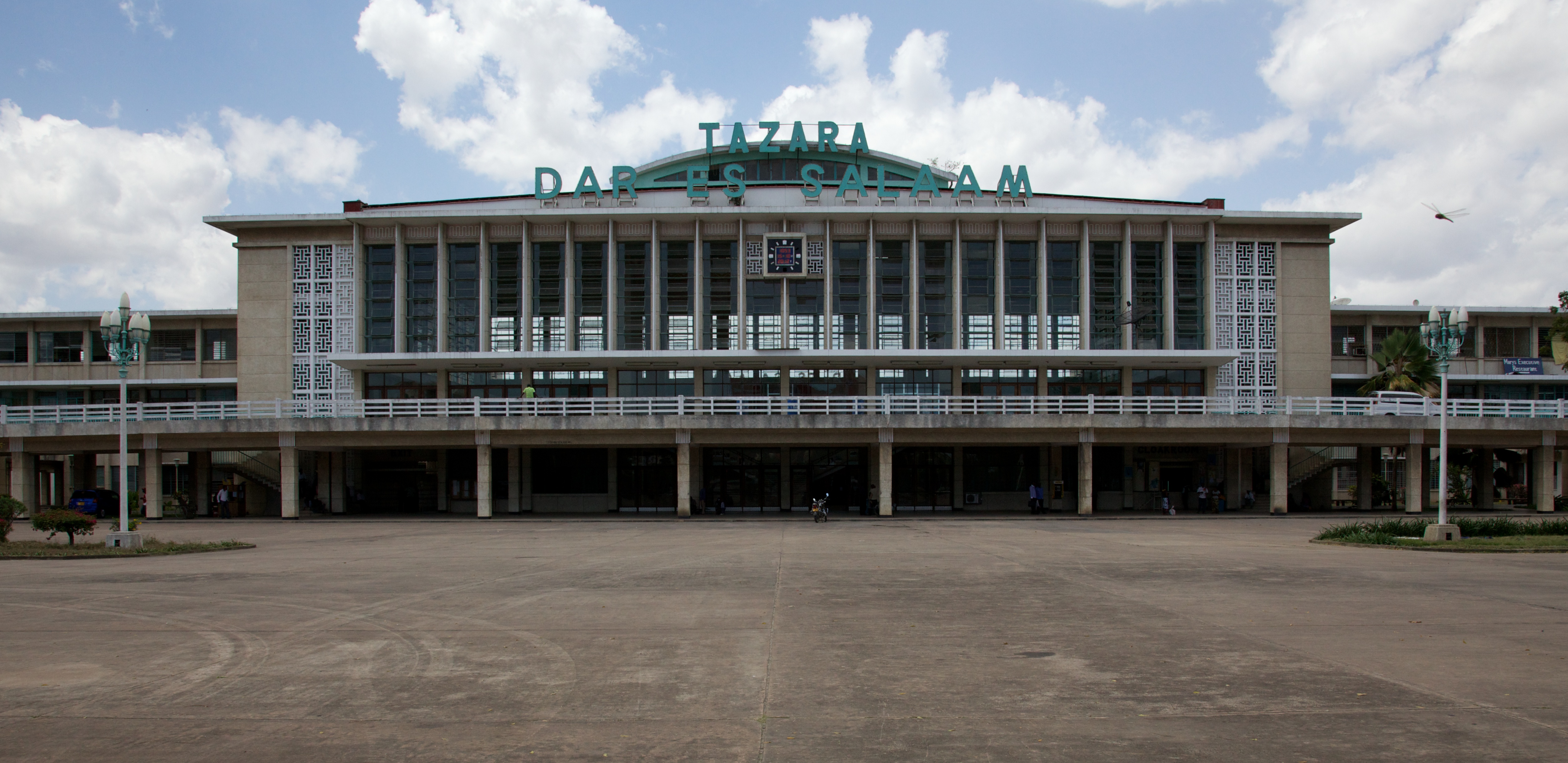
Yet Chinese engagement with Africa during this period did yield other, more durable legacies, such as the Tanzania-Zambia Railway, or "Tazara."

At the time of its construction, the Tazara was the biggest foreign infrastructure project in Africa since the Soviets built the Aswan High Dam, using the labour of 15,000 technicians. Most of the construction technology and clearing vehicles were Chinese imports, but Chinese workers themselves made up less than a third of the workforce.

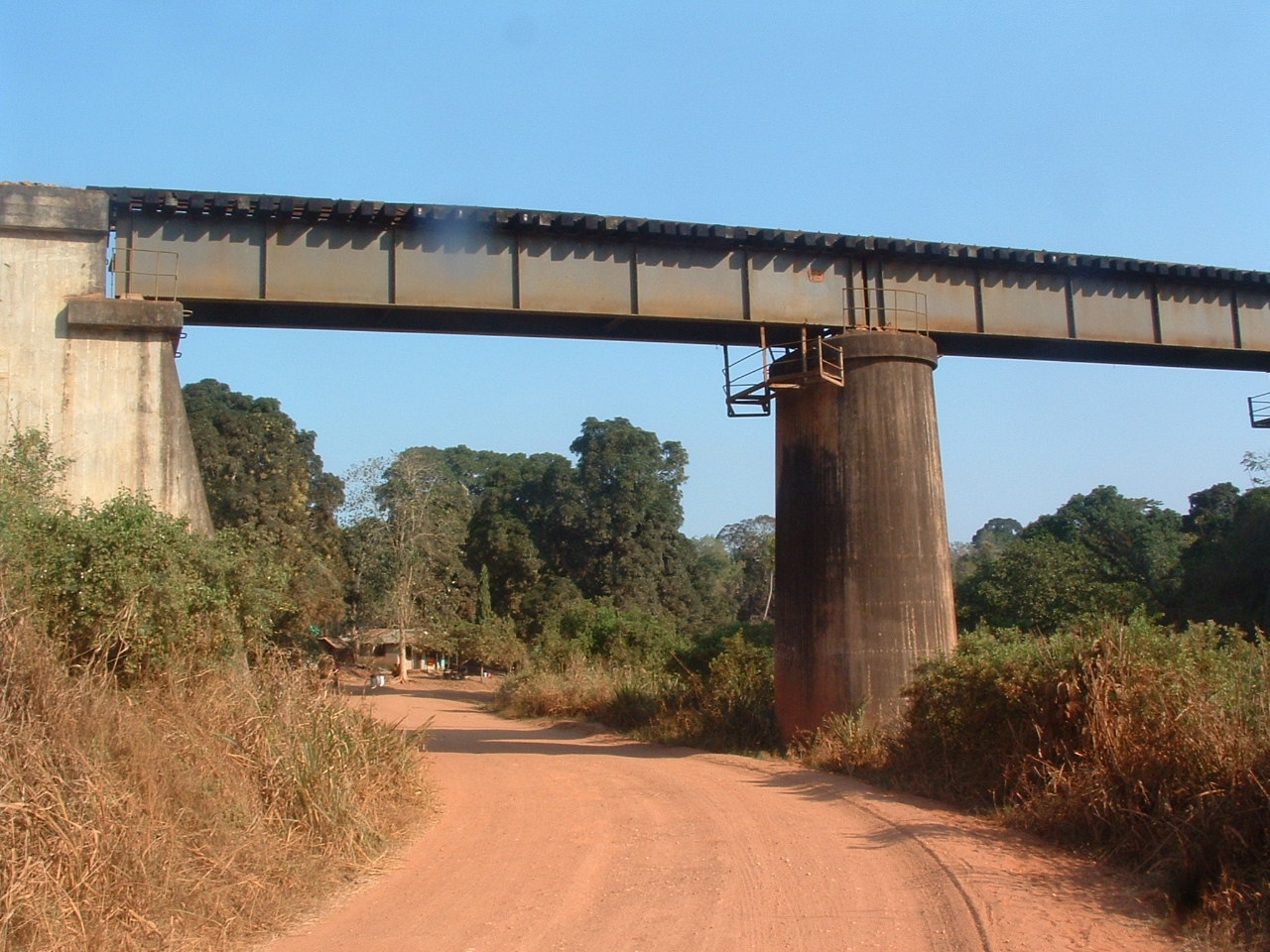
It ran for 1800km, across 2500 bridges and through 21 major tunnels, linking the landlocked Zambian copperbelt directly to the Tanzanian coast, facilitating the export of precious metals and minerals without the need to pass through white-ruled Rhodesia.

Here is a Chinese map of the seaward route:

Here is how the President of Tanzania, Julius Nyerere, described the project in a speech to inaugurate its construction on October 28th 1970:

"I have noticed one very odd thing about the international reactions to the railway project...Some (nations) suggest that by building this railway now, Tanzania and Zambia are coming under Chinese influence!...But this railway will be our railway...The PRC is giving an interest-free loan for the construction of the railway and provision of rolling stock... A gesture of international solidarity between the poor and the less poor of the world... When the Smith rebellion of 1965 was met by a policy of economic sanctions, the most immediate result was grave problems for newly-independent Zambia...A railway link to the port of Dar-es-Salaam is vital for the full implementation of Zambia's policy of linking herself to the free African states of the north."
Nevertheless, these high-profile projects were the exception rather than the rule, as China sharply curtailed its aid to Africa from the late '70s. More recently, this BBC documentary foreshadows the return of Chinese technicians to upgrade the railway, which has re-ignited the same kind of accusations that Nyerere rejected over forty years ago: