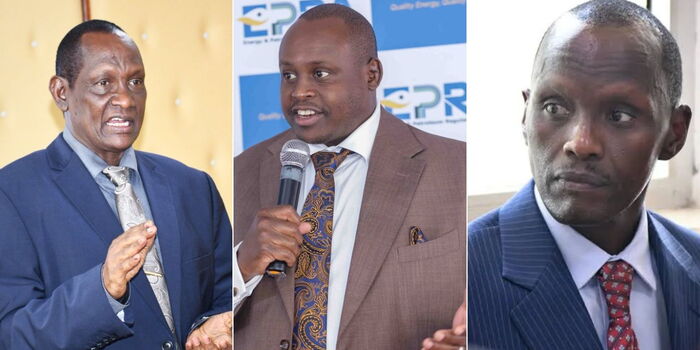
Three former senior government officials, Mohamed Liban, Joe Sang, and Daniel Kiptoo, have been released on police bail as investigations continue into a multi-billion shilling fuel importation scandal.
The trio had been detained over their alleged involvement in the importation of approximately 69 million litres of fuel said to be substandard and procured outside Kenya’s official government-to-government (G2G) fuel framework. The deal, now under scrutiny, is believed to have cost taxpayers an estimated KSh 4.8 billion.
According to investigators, the fuel importation bypassed established procurement channels, raising concerns over transparency, pricing, and regulatory oversight. Authorities suspect the transaction may have led to inflated costs, with reports indicating a possible price disparity of over KSh 40 per litre, an amount that could significantly impact national fuel pricing and economic stability.
The Directorate of Criminal Investigations (DCI) confirmed that the three were released on April 6, 2026, pending further investigations. They are expected to appear in court once the probe is complete and charges, if any, are formally filed.
Through their legal representatives, the officials have denied any wrongdoing. They maintain that their actions were guided by recommendations from a National Security Council committee and were necessitated by urgent fuel supply concerns at the time. The defense argues that the importation was an emergency intervention to stabilize the country’s fuel reserves amid global supply uncertainties.
The case has since drawn widespread public attention, with over 20 individuals reportedly questioned as part of the ongoing investigation. Authorities have also indicated that those found culpable could face hefty penalties, including fines of up to five times the financial loss incurred.
This unfolding scandal places a spotlight on governance within Kenya’s energy sector, raising critical questions about accountability, procurement integrity, and the safeguards in place to protect public resources. As investigations continue, the outcome of the case could have far, reaching implications, not only for those involved but also for policy reforms and public trust in state institutions.
The trio had been detained over their alleged involvement in the importation of approximately 69 million litres of fuel said to be substandard and procured outside Kenya’s official government-to-government (G2G) fuel framework. The deal, now under scrutiny, is believed to have cost taxpayers an estimated KSh 4.8 billion.
According to investigators, the fuel importation bypassed established procurement channels, raising concerns over transparency, pricing, and regulatory oversight. Authorities suspect the transaction may have led to inflated costs, with reports indicating a possible price disparity of over KSh 40 per litre, an amount that could significantly impact national fuel pricing and economic stability.
The Directorate of Criminal Investigations (DCI) confirmed that the three were released on April 6, 2026, pending further investigations. They are expected to appear in court once the probe is complete and charges, if any, are formally filed.
Through their legal representatives, the officials have denied any wrongdoing. They maintain that their actions were guided by recommendations from a National Security Council committee and were necessitated by urgent fuel supply concerns at the time. The defense argues that the importation was an emergency intervention to stabilize the country’s fuel reserves amid global supply uncertainties.
The case has since drawn widespread public attention, with over 20 individuals reportedly questioned as part of the ongoing investigation. Authorities have also indicated that those found culpable could face hefty penalties, including fines of up to five times the financial loss incurred.
This unfolding scandal places a spotlight on governance within Kenya’s energy sector, raising critical questions about accountability, procurement integrity, and the safeguards in place to protect public resources. As investigations continue, the outcome of the case could have far, reaching implications, not only for those involved but also for policy reforms and public trust in state institutions.


