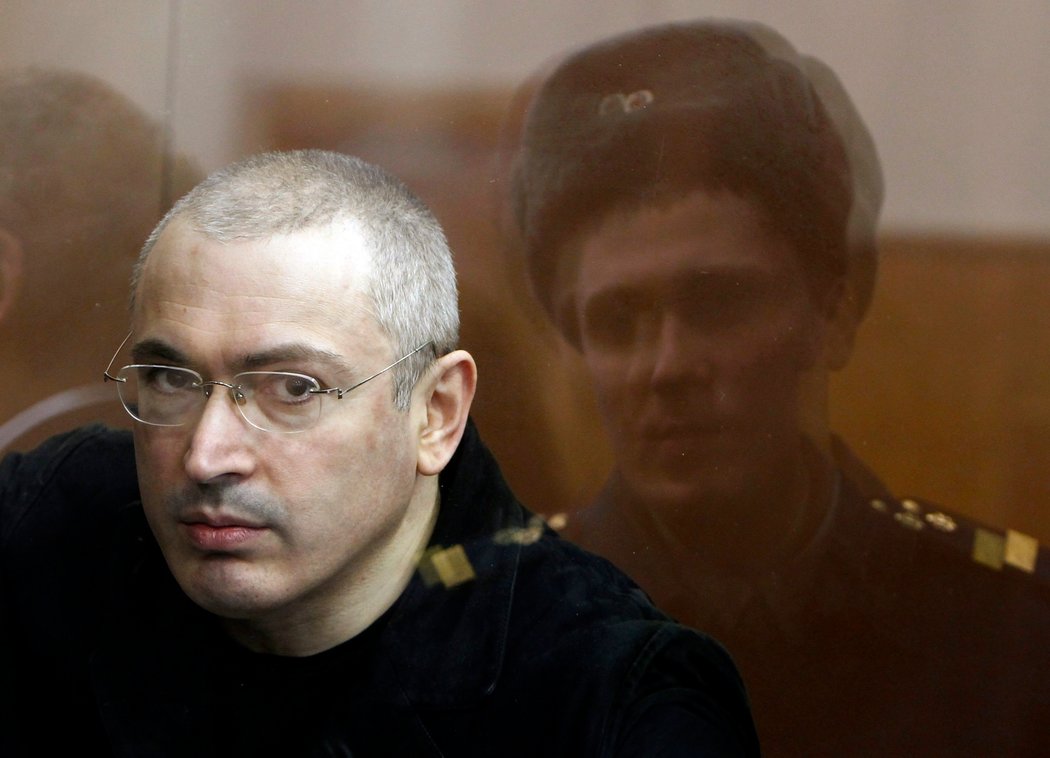
Russia faces one of the biggest judgments on the Putin-Medvedev leadership tomorrow with the culmination of the latest legal case
against Mikhail Khodorkovsky, the oil billionaire and one-time political contender who has been in jail on fraud charges since 2003.
asante sana...ubarikiwe sana
The case against Khodorkovsky, once Russia's richest man, has been seized upon as a barometer of Russia's political climate. Another lengthy jail term for the man once seen as a threat to Vladimir Putin's pre-eminence is likely to indicate a further retrenchment of the forces of Soviet-style justice hostage to the whims of its leaders; a lesser verdict — or an unlikely acquittal — will be seen as a victory for forces of reform.
The case is the second against Khodorkovsky and his former business partner Platon Lebedev, who were dramatically arrested in 2003 and convicted of fraud and tax evasion two years later. Khodorkovsky's oil empire, built up through the corrupt privatisation auctions in the 1990s, was crudely appropriated and appended to the apparatus of the state. But from his jail cell in Siberia, and latterly Moscow, the former tycoon has grown into an unlikely figurehead for the fractured and emasculated opposition in
Russia.
The latest case against the pair was brought in 2007, when prosecutors presented fresh charges against the two men, this time for allegedly embezzling over 200 million tonnes of oil and laundering the proceeds. Throughout the trial Khodorkovsky would point to the absurdity of the two cases: evading taxes on laundered money does not make much sense.
The trial has lasted nearly two years. The prosecutor spent several months reading the 3,500-page indictment in a low mumble. More than 100 witnesses were called. In a surprise move, former economy minister German Gref and energy minister Viktor Khristenko agreed to testify.
Na aliambukizwa HIV kwa sindano akiwa jela.