
isajorsergio
Platinum Member
- Apr 22, 2018
- 4,152
- 6,601
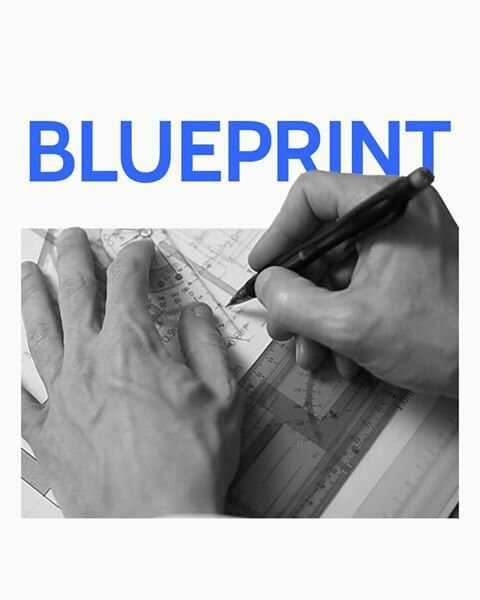
Back in 1842, Sir John Herschel invented a method of reproducing documents known as cyanotype. An existing plan drawn on translucent tracing paper could be photocopied by placing it on top of another piece of paper that has been coated with a photosensitive chemical solution (ammonium iron citrate and potassium ferrocyanide). The two layers are exposed to ultraviolet light (the sun) for a few minutes.⠀
⠀
Consequently, the bottom sheet will turn blue due to the reaction of the chemicals to the light. However, as light would not be able to penetrate through the parts of the original document where the drawing marks are, those sections would remain white on the bottom sheet.⠀
⠀
When the chemical solution is washed off the bottom sheet and the paper dried, a copy of the plan is created.⠀
⠀
Other methods of achieving the same effect have emerged since that time and have replaced this practice, but the term ""blueprint"" continues to be used until today.
⠀
Consequently, the bottom sheet will turn blue due to the reaction of the chemicals to the light. However, as light would not be able to penetrate through the parts of the original document where the drawing marks are, those sections would remain white on the bottom sheet.⠀
⠀
When the chemical solution is washed off the bottom sheet and the paper dried, a copy of the plan is created.⠀
⠀
Other methods of achieving the same effect have emerged since that time and have replaced this practice, but the term ""blueprint"" continues to be used until today.


