Da Dona
JF-Expert Member
- Dec 16, 2025
- 1,175
- 658
A prolonged dry spell is putting coffee farmers across Buganda Sub-region under growing financial pressure, with crops drying up, flowers dropping and coffee berries failing to mature.
Farmers in Kyotera, Bukomansimbi, Masaka, Rakai, Lyantonde, Kalangala, Kalungu, Sembabule and Lwengo say three consecutive months of inadequate rainfall have disrupted the coffee cycle and raised fears of poor harvests.
In Kyebe Sub-county, Kyotera, coffee farmer Francis Mugera says farmers have spent heavily on labour, manure and pesticides, but are now watching their investment suffer.
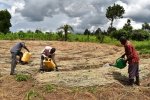
“We have tried carrying water to the gardens, but this is expensive and difficult because most of our plantations are on hills.”
The effects are not limited to coffee. In Rakai, farmer Susan Nanjunja says her cassava garden has also been badly affected.
“You may think it is only coffee affected. My cassava garden is no more, the tubers are rotting and my family is left with nothing to eat.”
Young coffee trees at risk
In Bigando Village, Rakai, farmer Isaac Byamugisha has postponed plans to expand his plantation after seeing young coffee trees wilt and die.
For smallholder farmers, losing young trees means losing money spent on seedlings, labour and establishing the gardens.
In Lwengo, coffee farmer Joseph Kabuye says the dry spell has also disrupted expectations for the November–December harvest after coffee trees flowered well.
«“Coffee is our bank. When we harvest, we sell and use the money to pay school fees, buy food and meet other family needs.”»
Farmers call for affordable irrigation
Agricultural officers are urging farmers to invest in irrigation, water conservation and climate-smart farming instead of relying entirely on rainfall.
Kyotera Senior Agricultural Officer Paul Ntambaazi says irrigation is increasingly necessary and agricultural extension workers are available to advise farmers.
But farmers say the cost of solar irrigation systems, pumps and fuel remains beyond the reach of many smallholders.
In Mpigi, farmer Francis Ssendyowa says he has lost his entire three-acre coffee plantation. He had expected to earn between Shs30 million and Shs45 million per season.
He is now calling for government support to make irrigation equipment affordable, saying farmers cannot continue relying on carrying water in jerry cans.
For families that depend on agriculture, the dry spell is not just about a poor harvest—it threatens food, school fees, household income and future investment in their farms.
Daily Monitor UG