GSMArena smartphone shopping guide: March 2014

GSMArena smartphone shopping guide: March 2014

Kibanga Ampiga Mkoloni

JF-Expert Member
Joined
Aug 9, 2007
Posts
19,021
Reaction score
9,177
[h=3]Introduction[/h]We're back with our latest smartphone shopper's guide, and our first for 2014! In this edition we'll see which new devices announced at the MWC made the cut as good buys, next to some former flagships that have had their price reduced - without losing much value - to become sleeper picks in the upper midrange category.
gsmarena_001.jpg

As before, we're splitting up the guide by price category, starting with sub-€100 smartphones and going all the way to the top shelf stuff.
[h=3]Here are the price categories we'll be looking at:[/h]
Price drops from many top manufacturers have resulted in a lot a movement between the ranks. The sub-€100 segment features some incredible deals on Android and Windows Phone smartphones, while the fresh batch of high-end models from MWC means some great deals on former flagships.
Before we jump in, a word on the technical side of things, and what it takes to make the cut. In terms of computing power, a dual-core processor is passable, but entry level phones make do with just one core (there are only a few of those in this guide though). Having a Krait-based Snapdragon dual-core chipset or just about any quad-core chipset is a guarantee for proper performance in the lowest price bracket.
For screens, anything under 200ppi is pretty poor (usually screens on budget phones), 200-300ppi is good but not great, and anything over 300ppi is eye-popping quality and differences get near impossible to spot with the naked eye. For cameras, you want at least 5MP for stills and 720p for video, though budget phones settle for 3 or less megapixel stills and VGA video (think 4:3 DVD quality).
Also, keep in mind that we're looking at off-contract prices. On-contract devices come cheap but get you saddled with an expensive plan for a year or two, which masks the true price of the device. Besides, carrier subsidies vary across markets, so since we are catering for a varied international audience, we can't really provide information that will be relevant to everyone.
We've also omitted any phones with limited market availability, as we want to make sure that you'll actually be able to buy the phones listed here in the coming month or two, rather than just read about them.
 
[h=3]Under €100[/h]The sub-€100 price segment is of particular importance in emerging markets. Dominated by low-cost feature phones in past years, it has also been swept up into the Android maelstrom. The cheapest droids can now be had for as little as €50, and oftentimes even less if brand recognition is not critical for you. That said, we've excluded brands that are only regionally available.
Windows Phone is going strong in this category, and Microsoft's great deal on the Nokia Lumia 520 continues to be one of the best offers on the table, particularly if you live in the US.
Dual-SIM phones are still very popular in markets where carriers keep prices high and the sub-€100 category will be of particular interest to people in those locations. Android clearly has the upper hand, although the Windows Phone 8.1 update slated for later this year adds dual-SIM support. We're likely still a ways away from seeing an affordable dual-SIM Lumia.
Nevertheless, the cheapest smartphone on offer is the aforementioned Lumia 520. This title used to belong to the now discontinued LG Optimus L3, but even then the 4" WVGA screen and dual-core Krait CPU with 5MP 720p shooter was unbeatable for the price. Add free offline navigation (single country), free Nokia Mix Radio streaming (with offline buffering) and a free Office suite, and you get the perfect budget phone for people on the go.
Note that in the US, the Lumia 520 can be had dirt cheap from the Microsoft store (off contract but locked to AT&T). It's pricier in Europe, but a recent discount moved it from the €100- €200 bracket to the sub- €100 category.
[TABLE="class: shopping-guide-table, width: 1"]
[TR]
[TD="class: shopping-pick, bgcolor: #F7F7F7, align: center"]
Nokia Lumia 520
[/TD]
[TD="bgcolor: #F7F7F7"]Pros[/TD]
[TD="bgcolor: #F7F7F7"]Cons[/TD]
[/TR]
[TR]
[TD="class: column, bgcolor: #F7F7F7"]
  • 4" WVGA screen, 233ppi
  • Screen works with gloves
  • Windows Phone 8
  • Dual-core Krait
  • 5MP camera with 720p video capture
  • Free SatNav for one country
  • Free Office Suite
[/TD]
[TD="class: column, bgcolor: #F7F7F7"]
  • Windows Phone Apps and Games catalog is not as rich as Android's and some popular apps such as Viber don't work well in background
[/TD]
[/TR]
[TR]
[TD="bgcolor: #F7F7F7, colspan: 2"]Review[/TD]
[/TR]
[/TABLE]

As for the cheapest droid, that honor belongs to the Samsung Galaxy Star. Although it has a smaller and lower-resolution display compared to the likes of the Alcatel One Touch T'Pop, the Samsung Galaxy Star features double the RAM and 4GB of internal memory, meaning a microSD card is no longer critical to proper use. Also, the Star runs on Android 4.1.2 though on this dated hardware it's arguable whether that's an advantage performance-wise over the older Android Gingerbread.
Feature phones will never get Snapchat or the next blockbuster app, which is the primary reason smartphones have had such a huge impact. If you've never had a smartphone, something like the Samsung Galaxy Star can open your eyes to new uses for your phone, without a big investment.
[TABLE="class: shopping-guide-table, width: 1"]
[TR]
[TD="class: shopping-pick, bgcolor: #F7F7F7, align: center"]
Samsung Galaxy Star
[/TD]
[TD="bgcolor: #F7F7F7"]Pros[/TD]
[TD="bgcolor: #F7F7F7"]Cons[/TD]
[/TR]
[TR]
[TD="class: column, bgcolor: #F7F7F7"]
  • Android smartphone
  • 3.2" QVGA screen, 125ppi
[/TD]
[TD="class: column, bgcolor: #F7F7F7"]
  • Old 2.3 Gingerbread OS
  • Slow chipset
  • Poor screen
[/TD]
[/TR]
[TR]
[TD="bgcolor: #F7F7F7, colspan: 2"][/TD]
[/TR]
[/TABLE]

Alcatel traditionally has a prominent spot in our sub-€100 category and the dual-SIM One Touch S'Pop is a prime example. It narrowly beats out the Samsung Galaxy Young Duos, having less RAM but a front-facing camera and larger battery. More importantly, it's also priced cheaper - by as much as €30 from some retailers.
[TABLE="class: shopping-guide-table, width: 1"]
[TR]
[TD="class: shopping-pick, bgcolor: #F7F7F7, align: center"]
Alcatel One Touch S'Pop
[/TD]
[TD="bgcolor: #F7F7F7"]Pros[/TD]
[TD="bgcolor: #F7F7F7"]Cons[/TD]
[/TR]
[TR]
[TD="class: column, bgcolor: #F7F7F7"]
  • Dual-SIM
  • Android 4.1
  • 3.5" HVGA screen, 165ppi
[/TD]
[TD="class: column, bgcolor: #F7F7F7"]
  • Slow performance
  • Screen quality not great
[/TD]
[/TR]
[TR]
[TD="bgcolor: #F7F7F7, colspan: 2"][/TD]
[/TR]
[/TABLE]

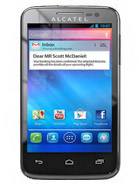
The senior-most member of Alcatel's Pop family makes another appearance in our budget category as one of the more capable dual-SIM devices in this price range. Its robust screen lets it beat out the likes of the Samsung Galaxy Fame Duos and Sony Xperia E Dual, despite the latter getting a significant price cut since our last guide.
The One Touch M'Pop bears many similarities to the Lumia 520 with one key difference - the chipset is much weaker (single-core Cortex-A9 CPU, PowerVR SGX531, basically an iPhone 3GS-grade chipset). The upside is a decent 4" WVGA (480 x 800) display, Android 4.1 Jelly Bean and 5MP camera capable of 720p video recording. Keep in mind you don't get free SatNav, the chipset is lower grade and it only has 4GB of built-in storage rather than 8GB (there's a microSD card slot though).
[TABLE="class: shopping-guide-table, width: 1"]
[TR]
[TD="class: shopping-pick, bgcolor: #F7F7F7, align: center"]
Alcatel One Touch M'Pop
[/TD]
[TD="bgcolor: #F7F7F7"]Pros[/TD]
[TD="bgcolor: #F7F7F7"]Cons[/TD]
[/TR]
[TR]
[TD="class: column, bgcolor: #F7F7F7"]
  • Dual-SIM
  • Android 4.1
  • 4" WVGA screen, 233ppi
[/TD]
[TD="class: column, bgcolor: #F7F7F7"]
  • Slow performance
[/TD]
[/TR]
[TR]
[TD="bgcolor: #F7F7F7, colspan: 2"][/TD]
[/TR]
[/TABLE]

Finally, one rather surprising addition to the sub-€100 segment is last years' darling of price-conscious Android fans, the Motorola Moto G. The device was a huge success thanks in large part to its unbeatable price, so much so that the 16GB version sold much better than its 8GB counterpart. Many US retailers appear to have a surplus of the latter model, and are unloading stock at incredibly low prices - as low as $99 for an unlocked model!
One important caveat is that you'll find yourself running low on internal memory fairly quickly with less than 8GB to spare after the OS has had its say, but the killer specs sheet make it too good an offer not to mention. A 4.5-inch 720p display with Gorilla Glass 3, 1GB of RAM, 5MP/1.3MP camera combo, quad-core 1.2GHz Snapdragon 400 CPU, and, of course, Android 4.4 KitKat and the fact that it will be among the first in line for future OS updates.
[TABLE="class: shopping-guide-table, width: 1"]
[TR]
[TD="class: shopping-pick, bgcolor: #F7F7F7, align: center"]
Motorola Moto G (8GB)
[/TD]
[TD="bgcolor: #F7F7F7"]Pros[/TD]
[TD="bgcolor: #F7F7F7"]Cons[/TD]
[/TR]
[TR]
[TD="class: column, bgcolor: #F7F7F7"]
  • Android 4.4
  • 4.5" 720p screen, 326ppi
  • Great performance
[/TD]
[TD="class: column, bgcolor: #F7F7F7"]
  • Limited storage
  • Mo microSD card slot
[/TD]
[/TR]
[TR]
[TD="bgcolor: #F7F7F7, colspan: 2"]Review

[/TD]
[/TR]
[/TABLE]
 
[h=3]€100 - €200[/h]This category has historically had the most converts from feature phones - and quite possibly the biggest turnover too. This time around, many devices that used to hover around the€200 mark have had significant price drops, and have shuffled things around.
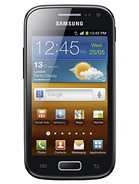
The Samsung Galaxy Ace 2 still gets things rolling in this category, as the device continues to age well 2 years since launch - a true fossil when it comes to smartphones. Fortunately, competitive pricing and Andriod updates continue to breathe life into it. It has a 3.8" WVGA screen of acceptable sharpness.
The dual-core NovaThor Cortex-A9 CPU with Mali-400 GPU is not quite up to the task of running Android 4.1.2 smoothly but it's good enough. The 5MP camera with HD (720p) video recording matches the Lumia 520.
It's not up to par with the Lumia 520 in terms of processing and navigation options, but it's a good improvement over the Alcatel M'Pop from the previous section for just a bit more cash.
[TABLE="class: shopping-guide-table, width: 1"]
[TR]
[TD="class: shopping-pick, bgcolor: #F7F7F7, align: center"]
Samsung Galaxy Ace 2
[/TD]
[TD="bgcolor: #F7F7F7"]Pros[/TD]
[TD="bgcolor: #F7F7F7"]Cons[/TD]
[/TR]
[TR]
[TD="class: column, bgcolor: #F7F7F7"]
  • 3.8" WVGA screen, 246ppi
  • Android 4.1
  • Dual-core Cortex-A9
  • 5MP camera with 720p video capture
[/TD]
[TD="class: column, bgcolor: #F7F7F7"]
  • 800MHz chipset caused slow performance after the update to Android 4.1.2
[/TD]
[/TR]
[TR]
[TD="bgcolor: #F7F7F7, colspan: 2"]Review[/TD]
[/TR]
[/TABLE]

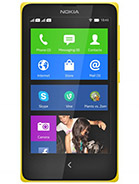
Nokia's first Android experiment in the form of the Nokia X is about as stable as a newborn giraffe, but it's priced very competitively for what it brings to the table. The device runs Android 4.1 with a distinct Windows Phone feel to it, and features Nokia's proprietary HERE maps and navigation suite as an added bonus. Unfortunately, you won't have access to the Google Play store, and will instead have to rely on third-party stores for your app needs.
Otherwise, the combo of 4" WVGA display and dual-core 1GHz processor for not much more than some budget offerings is enticing - especially if you're into fiddling around with settings and you know your way around side-loading hard-to-find apps. The somewhat low RAM wasn't necessarily a problem with Windows Phone Nokia's, but here it's a different story, and may result in some added slowdowns.
[TABLE="class: shopping-guide-table, width: 1"]
[TR]
[TD="class: shopping-pick, bgcolor: #F7F7F7, align: center"]
Nokia X
[/TD]
[TD="bgcolor: #F7F7F7"]Pros[/TD]
[TD="bgcolor: #F7F7F7"]Cons[/TD]
[/TR]
[TR]
[TD="class: column, bgcolor: #F7F7F7"]
  • 4" WVGA screen, 233ppi
  • Android 4.1
  • Access to Nokia HERE Maps and navigation
[/TD]
[TD="class: column, bgcolor: #F7F7F7"]
  • No access to Google Play
  • Incompatible with some Android apps
  • Only 480p video capture
[/TD]
[/TR]
[TR]
[TD="bgcolor: #F7F7F7, colspan: 2"]Hands-on[/TD]
[/TR]
[/TABLE]

The Nokia Lumia 525 is a successor of the Nokia Lumia 520, and with the exception of doubling up the RAM to 1GB, it's virtually the same device. It sports the same 4" WVGA screen and dual-core Krait CPU with 5MP 720p shooter. There's also free offline navigation for one country, free Nokia Mix Radio streaming (with offline buffering) and a free MS Office suite.
[TABLE="class: shopping-guide-table, width: 1"]
[TR]
[TD="class: shopping-pick, bgcolor: #F7F7F7, align: center"]
Nokia Lumia 525
[/TD]
[TD="bgcolor: #F7F7F7"]Pros[/TD]
[TD="bgcolor: #F7F7F7"]Cons[/TD]
[/TR]
[TR]
[TD="class: column, bgcolor: #F7F7F7"]
  • 4" WVGA screen, 233ppi
  • Windows Phone 8
  • Dual-core Krait
  • 5MP camera with 720p video capture
  • Free SatNav for one country
  • Free Office Suite
[/TD]
[TD="class: column, bgcolor: #F7F7F7"]
  • Windows Phone Apps and Games catalog is not as rich as Android's
[/TD]
[/TR]
[TR]
[TD="bgcolor: #F7F7F7, colspan: 2"]Hands-on[/TD]
[/TR]
[/TABLE]

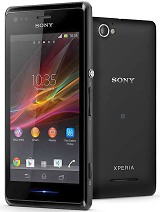
The Sony Xperia M has been sufficiently discounted to beat out our previous recommendations and qualifies thanks to its 4-inch screen of 480 x 854 pixels resolution, 5MP camera capable of 720p video, and dual-core 1GHz Krait CPU with robust Adreno 305 GPU.
Sony recently announced its successor, the Xperia M2, which means the Xperia M will likely be discontinued by the time our next guide rolls around. If the Xperia M catches your eye, act quickly.
[TABLE="class: shopping-guide-table, width: 1"]
[TR]
[TD="class: shopping-pick, bgcolor: #F7F7F7, align: center"]
Sony Xperia M
[/TD]
[TD="bgcolor: #F7F7F7"]Pros[/TD]
[TD="bgcolor: #F7F7F7"]Cons[/TD]
[/TR]
[TR]
[TD="class: column, bgcolor: #F7F7F7"]
  • 4" 480 x 854 pixel screen, 245ppi
  • Android 4.1
  • Dual-core Krait CPU
[/TD]
[TD="class: column, bgcolor: #F7F7F7"]
  • Screen not great
[/TD]
[/TR]
[TR]
[TD="bgcolor: #F7F7F7, colspan: 2"]Review[/TD]
[/TR]
[/TABLE]

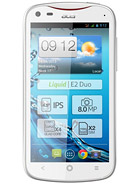
When it comes to dual-SIM capabilities in this price range, few can match the 4.5" qHD screen and quad-core Cortex-A7 CPU of the Acer Liquid E2 Duo. Acer has dropped the price to match competition from the likes of the Sony Xperia M dual and Samsung Galaxy Core Duos, so the Liquid E2 Duo makes it into our guide for a second consecutive time.
The E2 Duo runs very decently and has an 8MP camera that records 1080p video (better than the Motorola Moto G's camera). Plus there's a microSD card slot, a relatively big 2,000mAh battery, DTS sound enhancement and rear stereo speakers to sweeten the pot.
[TABLE="class: shopping-guide-table, width: 1"]
[TR]
[TD="class: shopping-pick, bgcolor: #F7F7F7, align: center"]
Acer Liquid E2 Duo
[/TD]
[TD="bgcolor: #F7F7F7"]Pros[/TD]
[TD="bgcolor: #F7F7F7"]Cons[/TD]
[/TR]
[TR]
[TD="class: column, bgcolor: #F7F7F7"]
  • Dual-SIM
  • 4.5" qHD screen, 245ppi
  • Android 4.2
  • Quad-core Cortex-A7
  • 8MP camera with 1080p video capture
  • Stereo speakers
[/TD]
[TD="class: column, bgcolor: #F7F7F7"]
  • Screen is not very good
[/TD]
[/TR]
[TR]
[TD="bgcolor: #F7F7F7, colspan: 2"][/TD]
[/TR]
[/TABLE]

The Lumia 625 is hardly anything more than a Lumia 520 with a bigger screen and flashier colors. It has a big 4.7" screen of only WVGA resolution, which means low sharpness. The dual-Krait processor and 512MB of RAM are also less than you would expect of a phone this size. However, this is the cheapest phone with a screen this large, and has the usual free navigation (for one country) and music goodies from Nokia and Office integration from Microsoft. A microSD card slot means cheap storage for videos and music too.
[TABLE="class: shopping-guide-table, width: 1"]
[TR]
[TD="class: shopping-pick, bgcolor: #F7F7F7, align: center"]
Nokia Lumia 625
[/TD]
[TD="bgcolor: #F7F7F7"]Pros[/TD]
[TD="bgcolor: #F7F7F7"]Cons[/TD]
[/TR]
[TR]
[TD="class: column, bgcolor: #F7F7F7"]
  • 4.7" WVGA screen, 199ppi
  • Windows Phone 8
  • Dual-core Krait
  • 5MP camera with 1080p video capture
  • Free SatNav for one country
  • Free Office Suite
[/TD]
[TD="class: column, bgcolor: #F7F7F7"]
  • Low screen resolution
[/TD]
[/TR]
[TR]
[TD="bgcolor: #F7F7F7, colspan: 2"]Review[/TD]
[/TR]
[/TABLE]

The Samsung Galaxy S II Plus has also found its way into this price segment. The Plus edition of the former flagship brings a 4.3-inch Super AMOLED Plus display of WVGA resolution, 8GB of expandable storage and 1GB of RAM. Its 8MP shooter is capable of 1080p video, and a 2MP front-facer to boot. It has recently been privy to the Android 4.2.2 Jelly Bean update, and we could even see it in KitKat land at some point.
[TABLE="class: shopping-guide-table, width: 1"]
[TR]
[TD="class: shopping-pick, bgcolor: #F7F7F7, align: center"]
Samsung Galaxy S II Plus
[/TD]
[TD="bgcolor: #F7F7F7"]Pros[/TD]
[TD="bgcolor: #F7F7F7"]Cons[/TD]
[/TR]
[TR]
[TD="class: column, bgcolor: #F7F7F7"]
  • 4.3" WVGA Super AMOLED screen, 217ppi
  • Android 4.2 Jelly Bean
  • Dual-core 1.2GHz processor
[/TD]
[TD="class: column, bgcolor: #F7F7F7"]
  • Uninspiring performance
[/TD]
[/TR]
[TR]
[TD="bgcolor: #F7F7F7, colspan: 2"]Review[/TD]
[/TR]
[/TABLE]

Last time around, Motorola's Moto G dominated this segment, with its great price and competitive package. Its price outside the US has, however, gone up, perhaps due to low supplies or high demand. Nevertheless, it's still within the €100-€200 price segment, and still offers its incredibly enticing package: a quality 4.5" 720p screen with quad-core processor to boot. Sure, these are Cortex-A7 cores, but our tests show it performs admirably.
It's fairly compact (though a bit thick) and it will be getting fairly quick updates (not quite Nexus or Google Play Edition, but still). The camera is not spectacular, but 5MP/720p is a fairly good combo. Its only real chink in the armor is its non-expandable storage, which means we highly recommend the 16GB version despite the higher cost.
When all's said and done, we still consider this the new baseline Android phone - anything more expensive better have at least one key feature to top it off (e.g. a better camera or more storage) and anything not up to par with the Moto G better be cheaper.
[TABLE="class: shopping-guide-table, width: 1"]
[TR]
[TD="class: shopping-pick, bgcolor: #F7F7F7, align: center"]
Motorola Moto G (16GB)
[/TD]
[TD="bgcolor: #F7F7F7"]Pros[/TD]
[TD="bgcolor: #F7F7F7"]Cons[/TD]
[/TR]
[TR]
[TD="class: column, bgcolor: #F7F7F7"]
  • 4.5" 720p IPS screen, 326ppi
  • Android 4.3 Jelly Bean, relatively quick updates
  • Quad-core Cortex-A7 processor
[/TD]
[TD="class: column, bgcolor: #F7F7F7"]
  • Limited storage
  • Mo microSD card slot
[/TD]
[/TR]
[TR]
[TD="bgcolor: #F7F7F7, colspan: 2"]Review

[/TD]
[/TR]
[/TABLE]
 
[h=3]€300 - €400[/h]We're now on flagship territory. True, not cutting edge or top-of-the-line models, but many former flagships and versions thereof can be found in this price range. Still, most people won't need to look further up the pricing ladder, unless they are specifically looking for the latest and greatest, or a specific feature that phones in this bracket do not offer.
The Sony Xperia Z is just over a year old at this point, but it's still an excellent phone - it has a beautiful glass-and-aluminum design and is one of the few water-resistant devices. The Snapdragon S4 Pro chipset is getting a little long on the tooth compared to more capable offerings, and the 13MP / 1080p camera isn't up to par. The screen has poor viewing angles but is decent otherwise. Also, the water-proofing didn't prevent Sony from putting in a microSD card slot.
Its successor, the Xperia Z1, improves on the camera, chipset, display and even battery and water-proofing rating, and the just-announced Xperia Z2 flagship makes it look downright ancient. Still, the Xperia Z has a lot to offer for the price.
[TABLE="class: shopping-guide-table, width: 1"]
[TR]
[TD="class: shopping-pick, bgcolor: #F7F7F7, align: center"]
Sony Xperia Z
[/TD]
[TD="bgcolor: #F7F7F7"]Pros[/TD]
[TD="bgcolor: #F7F7F7"]Cons[/TD]
[/TR]
[TR]
[TD="class: column, bgcolor: #F7F7F7"]
  • Beautiful design
  • Water-resistant
  • Android 4.3
  • Quad-core Krait
[/TD]
[TD="class: column, bgcolor: #F7F7F7"]
  • Screen has poor viewing angles, low-contrast
  • Camera not great
  • Chipset is getting old
[/TD]
[/TR]
[TR]
[TD="bgcolor: #F7F7F7, colspan: 2"]Review[/TD]
[/TR]
[/TABLE]

The Sony Xperia Z Ultra phablet is a stunner - a huge 6.4" 1080p screen and a 6.5mm thin glass and metal body with an IP58 water-proofing to boot. It has a powerful Snapdragon 800 chipset and as of recently a Google Play Edition (you don't have to buy one; the ROM should soon be available for all Z Ultra owners with some tech skills to flash).
The Xperia Z Ultra is probably too big to comfortably carry along unless you have a bag, but it's one of the most powerful phablets around and the only one that wouldn't mind a trip to the pool. This is the second consecutive price segment the Z Ultra has slipped through, dropping by yet another €100 since the previous installment of our shopping guide.
[TABLE="class: shopping-guide-table, width: 1"]
[TR]
[TD="class: shopping-pick, bgcolor: #F7F7F7, align: center"]
Sony Xperia Z Ultra
[/TD]
[TD="bgcolor: #F7F7F7"]Pros[/TD]
[TD="bgcolor: #F7F7F7"]Cons[/TD]
[/TR]
[TR]
[TD="class: column, bgcolor: #F7F7F7"]
  • Beautiful design
  • Water-resistant
  • Excellent large-sensor camera
  • 6.4" 1080p screen, 344ppi
  • Snapdragon 800 chipset
  • Android 4.3, planned 4.4 update
  • Pure Android option
[/TD]
[TD="class: column, bgcolor: #F7F7F7"]
  • Huge eve for a phablet
  • Screen not as good as competitors
[/TD]
[/TR]
[TR]
[TD="bgcolor: #F7F7F7, colspan: 2"]Review[/TD]
[/TR]
[/TABLE]

The Galaxy S4 needs no introduction - Samsung has spent tons of money on ads and over 40 million people have already bought one. The plastic design isn't everyone's favorite, but it fits a 5" display in the footprint of last year's 4.7" flagships.
It's powered by a Snapdragon 600 chipset, which until recently was the best in Android-land (and is clocked higher than other S600s), an excellent 13MP / 1080p camera and tons of proprietary features (detecting a hovering finger, split-screen multitasking).
One important tip - the Galaxy S4 also comes in an Exynos 5 version. Samsung has tuned both to have similar performance overall, but since the Exynos model omits LTE you might find it cheaper in some places, which makes it a solid option in markets without a 4G network. On the other hand, the Snapdragon 600 version is also compatible with official pure Android releases - you don't need the Galaxy S4 Google Play Edition for that.
As a side note, Samsung has released a Black Edition Galaxy S4, which does away with the plastic rear panel in favor of the faux leather one introduced with the Galaxy Note 3. If you can find it without too much of a price premium, it adds some much needed quality to an otherwise tired design.
[TABLE="class: shopping-guide-table, width: 1"]
[TR]
[TD="class: shopping-pick, bgcolor: #F7F7F7, align: center"]
Samsung Galaxy S4
[/TD]
[TD="bgcolor: #F7F7F7"]Pros[/TD]
[TD="bgcolor: #F7F7F7"]Cons[/TD]
[/TR]
[TR]
[TD="class: column, bgcolor: #F7F7F7"]
  • Compact design
  • 5" 1080p Super AMOLED, 441ppi
  • Quad-core Krait 300
  • Android 4.3
  • Pure Android option
  • Split-screen multitasking
  • 13MP video camera with 1080p video capture
  • LTE (S600 only)
  • Rich proprietary features
[/TD]
[TD="class: column, bgcolor: #F7F7F7"]
  • Tired design
[/TD]
[/TR]
[TR]
[TD="bgcolor: #F7F7F7, colspan: 2"]Review[/TD]
[/TR]
[/TABLE]

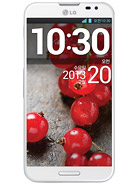
In case the Ascend Mate and Xperia Z Ultra phablets weren't good enough, have a look at the LG Optimus G Pro. It comes close to current phablets with a 5.5" 1080p screen, Snapdragon 600 chipset, 13MP camera and 3,140mAh battery.
[TABLE="class: shopping-guide-table, width: 1"]
[TR]
[TD="class: shopping-pick, bgcolor: #F7F7F7, align: center"]
LG Optimus G Pro
[/TD]
[TD="bgcolor: #F7F7F7"]Pros[/TD]
[TD="bgcolor: #F7F7F7"]Cons[/TD]
[/TR]
[TR]
[TD="class: column, bgcolor: #F7F7F7"]
  • 5.5" 1080p screen, 401ppi
  • Quad-core Krait 300
  • Android 4.1
  • 13MP camera with 1080p video capture
  • LTE
[/TD]
[TD="class: column, bgcolor: #F7F7F7"]
  • Screen not great in direct sunlight
  • No Android 4.2 update yet
[/TD]
[/TR]
[TR]
[TD="bgcolor: #F7F7F7, colspan: 2"]Review[/TD]
[/TR]
[/TABLE]

The Nexus 5 has a 5" 1080p screen and a more powerful chipset than the S4 and it runs pure, unsullied Android, which is highly desirable in some circles. The 8MP/1080p camera has optical image stabilization too, one of the few Android cameras that do.
[TABLE="class: shopping-guide-table, width: 1"]
[TR]
[TD="class: shopping-pick, bgcolor: #F7F7F7, align: center"]
Nexus 5
[/TD]
[TD="bgcolor: #F7F7F7"]Pros[/TD]
[TD="bgcolor: #F7F7F7"]Cons[/TD]
[/TR]
[TR]
[TD="class: column, bgcolor: #F7F7F7"]
  • 5" 1080p screen, 455ppi
  • Quad-core Krait 400
  • Android 4.4
  • 8MP camera with 1080p video capture, optical image stabilization
  • LTE
[/TD]
[TD="class: column, bgcolor: #F7F7F7"]
  • Relatively poor battery life
  • No microSD card slot
[/TD]
[/TR]
[TR]
[TD="bgcolor: #F7F7F7, colspan: 2"]Review

[/TD]
[/TR]
[/TABLE]
 
[h=3]€400 - €500[/h]Now, on to some premium gadgets - and priced accordingly - even though this isn't the top tier category. Still, you need to have a good reason to go above €500 as these devices will fulfill almost everyone's needs with this year's cutting-edge features.
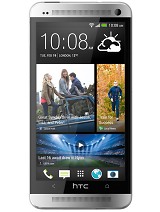
The HTC One is among the most beautiful Android phones at the moment (if not the most, depending on who you ask). It has a great 4.7" 1080p screen and a 4MP UltraPixel camera with optical image stabilization. Throw in the fast Snapdragon 600 chipset, stereo speakers on the front and a pure Android option like the Galaxy S4 and you have a strong contender.
It will certainly draw people who dislike the plastic build of most of Samsung's phones along with audio buffs (the One has great audio hardware). The imminent release of the One's successor - the All New One, as HTC like to call it - should push the price of this device down even further. We wouldn't be surprised to see it in the lower bracket in our next shopping guide.
[TABLE="class: shopping-guide-table, width: 1"]
[TR]
[TD="class: shopping-pick, bgcolor: #F7F7F7, align: center"]
HTC One
[/TD]
[TD="bgcolor: #F7F7F7"]Pros[/TD]
[TD="bgcolor: #F7F7F7"]Cons[/TD]
[/TR]
[TR]
[TD="class: column, bgcolor: #F7F7F7"]
  • Lauded aluminum unibody design
  • 4.7" 1080p screen, 469ppi
  • Android 4.3
  • Quad-core Krait 300
  • Pure Android option
[/TD]
[TD="class: column, bgcolor: #F7F7F7"]
  • 4MP camera not great in daylight
  • The same size as the 5" Galaxy S4
  • Non-expandable storage
[/TD]
[/TR]
[TR]
[TD="bgcolor: #F7F7F7, colspan: 2"]Review[/TD]
[/TR]
[/TABLE]

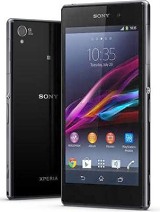
Sony's Xperia Z1 Compact was launched as one of the first capable compact smartphones, and is truly an impressive feat of engineering as Sony managed to squeeze almost everything from the Xperia Z1 flagship into a much smaller body. You get a 4.3-inch 720p display, quad-core 2.2 GHz Snaprdragon 800 CPU with Adreno 330 GPU, 16GB of expandable storage alongside 2GB of RAM, and Sony has already updated it to the latest Android 4.4 KitKat build.
The Z1 Compact features the big by smartphone standards 1/2.3" 20.7MP sensor. That's point-and-shoot camera territory (including the Samsung Galaxy S4 zoom) but it fits in a slender 9.5mm body. It produces impressive shots (check out our 6-way camera shootout) and has some interesting proprietary camera features (how about streaming video to Facebook live?). As an added bonus, both it and the 2MP front-facer are capable of 1080p video at 30fps.
The device truly worthy of its flagship name, but if compact size isn't critical to you, the bigger Xperia Z1 is priced only slightly higher...
[TABLE="class: shopping-guide-table, width: 1"]
[TR]
[TD="class: shopping-pick, bgcolor: #F7F7F7, align: center"]
Sony Xperia Z1 Compact
[/TD]
[TD="bgcolor: #F7F7F7"]Pros[/TD]
[TD="bgcolor: #F7F7F7"]Cons[/TD]
[/TR]
[TR]
[TD="class: column, bgcolor: #F7F7F7"]
  • Beautiful, compact design
  • IP58 certification
  • Excellent large-sensor camera
  • 4.3" 720p screen, 342pi
  • Android 4.3, planned 4.4 update
  • Snapdragon 800 chipset
[/TD]
[TD="class: column, bgcolor: #F7F7F7"]
  • Pricey for a mini
[/TD]
[/TR]
[TR]
[TD="bgcolor: #F7F7F7, colspan: 2"]Review[/TD]
[/TR]
[/TABLE]

Speak of the devil, the Xperia Z1 brings the exact same package as its Compact sibling, but has a big 5-inch display of 1080p resolution. Sony's most recent batch of impressive camera features debuted with the Xperia Z1's 20.7MP Exmor sensor, and the battery is more robust than what's found the Compact to accommodate the larger screen and resolution.
Sony recently announced its Xperia Z2 flagship, and devices have just started becoming available to retailers. This bodes well for the likes of the Z1 and Z1 Compact, as both should continue to drop in price as the Z2 starts hitting retailers on a larger scale.
[TABLE="class: shopping-guide-table, width: 1"]
[TR]
[TD="class: shopping-pick, bgcolor: #F7F7F7, align: center"]
Sony Xperia Z1
[/TD]
[TD="bgcolor: #F7F7F7"]Pros[/TD]
[TD="bgcolor: #F7F7F7"]Cons[/TD]
[/TR]
[TR]
[TD="class: column, bgcolor: #F7F7F7"]
  • Beautiful design
  • Water-resistant
  • Excellent large-sensor camera
  • 5.0" 1080p screen, 441ppi
  • Android 4.3, planned 4.4 update
  • Snapdragon 800 chipset
[/TD]
[TD="class: column, bgcolor: #F7F7F7"]
  • Huge bezels
  • Screen not as good as competitors
[/TD]
[/TR]
[TR]
[TD="bgcolor: #F7F7F7, colspan: 2"]Review[/TD]
[/TR]
[/TABLE]

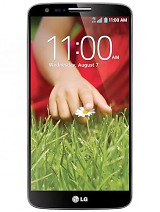
We wouldn't recommend LG G2's 16GB storage as those HD videos (especially 1080p @ 60fps) and advanced 3D games will deplete it in no time, but you can now get a 32GB for a pretty great price. And if not for the video or games, the beautiful screen, powerful chipset and 13MP OIS camera will go to waste.
And the LG G2 does have an amazing 5.2" screen with 1080p resolution that fits in the footprint of the Galaxy S4 and HTC One. It also packs a Snapdragon 800, a 13MP camera with optical image stabilization and a lasting 3,000mAh battery.
The design might not be to everyone's favorite, and the rear buttons are especially unusual. It's also plastic, which isn't up to par with the HTC One or Xperia Z1. Make no mistake though, the LG G2 is one of the best Android smartphones available at the moment.
[TABLE="class: shopping-guide-table, width: 1"]
[TR]
[TD="class: shopping-pick, bgcolor: #F7F7F7, align: center"]
LG G2 (32GB)
[/TD]
[TD="bgcolor: #F7F7F7"]Pros[/TD]
[TD="bgcolor: #F7F7F7"]Cons[/TD]
[/TR]
[TR]
[TD="class: column, bgcolor: #F7F7F7"]
  • Compact design with minimal bezels
  • 5.2" 1080p screen, 424ppi
  • Snapdragon 800
  • Android 4.2
  • 13MP camera with OIS
[/TD]
[TD="class: column, bgcolor: #F7F7F7"]
  • Plastic body
  • Non-expandable storage
[/TD]
[/TR]
[TR]
[TD="bgcolor: #F7F7F7, colspan: 2"]Review[/TD]
[/TR]
[/TABLE]

The Nokia Lumia 1020 is the true successor of the Nokia 808 PureView and has the most amazing camera ever found on a mobile phone. Better yet, a price cut has brought it down to the sub-€500 price range. Its huge 1/1.5" sensor with a whopping 41MP resolution creates amazing shots and by supersampling to 5MP, sharing is easy. Nokia is offering a ton of proprietary camera features like lossless digital zoom, manual controls and the Refocus app. Oh, and the 1020 is the only phone with a powerful xenon flash. The audio recording for videos is top notch too.
You do have to deal with the protruding camera hump on a phone that's not slender to begin with, and Windows Phone 8 could be a plus or a minus depending on your preferences. It has a decent 4.5" WXGA AMOLED screen and dual-core Krait chipset, but Androids are wholly unimpressed. The 2,000mAh sealed battery isn't great either, but you can get the grip accessory for an extra 1,020mAh and a more comfortable hold on the phone (albeit with added bulk).
This one is all about the camera as it takes pictures like no other phone. Point-and-shoot cameras have a tough time competing, too. But if not for the camera, we can't justify double the price over the Lumia 925.
[TABLE="class: shopping-guide-table, width: 1"]
[TR]
[TD="class: shopping-pick, bgcolor: #F7F7F7, align: center"]
Nokia Lumia 1020
[/TD]
[TD="bgcolor: #F7F7F7"]Pros[/TD]
[TD="bgcolor: #F7F7F7"]Cons[/TD]
[/TR]
[TR]
[TD="class: column, bgcolor: #F7F7F7"]
  • The best camera on the market
  • 41MP 1/1.5" sensor, OIS, ZEISS lens, xenon flash
  • Cool proprietary camera apps
  • 4.5" WXGA AMOLED, 332ppi
  • Windows Phone 8
  • Free offline global SatNav
  • Free Office suite
[/TD]
[TD="class: column, bgcolor: #F7F7F7"]
  • Bulky device with hump on the back
  • Slow shot-to-shot time
  • Dated chipset
  • Non-expandable memory
[/TD]
[/TR]
[TR]
[TD="bgcolor: #F7F7F7, colspan: 2"]Review[/TD]
[/TR]
[/TABLE]

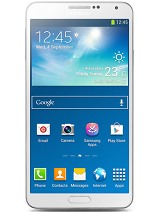
The Samsung Galaxy Note 3 is the third iteration of the highly successful phablet series with an S Pen stylus. Now that it's firmly in the sub-€500 category, it's the phablet to get. It has a beautiful 5.7" 1080p Super AMOLED screen and is powered by a Snapdragon 800 chipset, both of which make split screen multitasking a real treat. The S Pen also enables other multitasking options - it makes note taking and searching that much easier, and packs even more proprietary features than the Galaxy S4.
The 13MP camera did okay for stills and is absolutely amazing for video - it can record stunning 2160p video and excellent 1080p @ 60fps clips (better than the LG G2). For video, it has digital zoom that rivals the Lumia 1020s optical zoom.
The Galaxy Note 3 breaks away from Samsung's traditional plastic design - it's still plastic, but the faux-leather back is very convincing and really classes up the place. By the way, the device's size hasn't changed since the Note 2, despite the increase in screen diagonal.
The Samsung Galaxy Note 3 is targeted at business people (who will appreciate KNOX enterprise security) and power users who will love the huge mountain of features. If we had to go over them all, we'd have to copy and paste the review here.
Just make sure you're getting the N9005 version with Snapdragon 800 CPU - the N9000 with Exynos 5 lacks LTE and 2160p video capture.
[TABLE="class: shopping-guide-table, width: 1"]
[TR]
[TD="class: shopping-pick, bgcolor: #F7F7F7, align: center"]
Samsung Galaxy Note 3
[/TD]
[TD="bgcolor: #F7F7F7"]Pros[/TD]
[TD="bgcolor: #F7F7F7"]Cons[/TD]
[/TR]
[TR]
[TD="class: column, bgcolor: #F7F7F7"]
  • 5.7" 1080p Super AMOLED, 386ppi
  • S Pen
  • Top-notch multitasking
  • Android 4.3
  • Snapdragon S800 chipset with 3GB of RAM
  • 13MP camera with 4K video recording
  • Great battery life
  • microUSB 3.0
[/TD]
[TD="class: column, bgcolor: #F7F7F7"]
  • No Office suite out of the box
  • Phablet size is not everyone's cup of tea
[/TD]
[/TR]
[TR]
[TD="bgcolor: #F7F7F7, colspan: 2"]Review

[/TD]
[/TR]
[/TABLE]
 
[h=3]€500 and above[/h]Call this the "money's no object" category, where only the best of the best will do. Phones here didn't make the cut by virtue of their value for money, but rather their celebrity status. This is the category that typically sees the least movement - other than a few phones dropping in the lower price bracket, it's usually the same old faces.
Microsoft shed the screen resolution and chipset limits with WP8 GRD3 and Nokia took advantage with the Lumia 1520. It's a 6" phablet with a 1080p screen, a Snapdragon 800 chipset and a 3,400mAh battery - basically, as good as any Android flagship. More importantly, the 1520 saw one of the biggest drops in price in this category, and we do expect to find it for less than €500 by our next guide.
It's a smaller sensor (1/2.5") with half the resolution, but it still has quality ZEISS optics and optical image stabilization. No xenon flash, but the lossless digital zoom is on board (due to the lower sensor resolution, it's not as long as that on the 1020) and so are the quality microphones for best-in-class audio capture for the 1080p videos.
It's not an exaggeration to say that the Lumia 1520 is the best device Nokia has made. But it's big and heavy - not the biggest phablet around, but perhaps too big for a general device. At least it's not solely dependent on its camera for success like the Lumia 1020.
[TABLE="class: shopping-guide-table, width: 1"]
[TR]
[TD="class: shopping-pick, bgcolor: #F7F7F7, align: center"]
Nokia Lumia 1520
[/TD]
[TD="bgcolor: #F7F7F7"]Pros[/TD]
[TD="bgcolor: #F7F7F7"]Cons[/TD]
[/TR]
[TR]
[TD="class: column, bgcolor: #F7F7F7"]
  • 6" 1080p screen, 367ppi
  • Windows Phone 8
  • Quad-core Krait 400
  • 20MP 1/2.5" sensor, OIS, ZEISS lens
  • Cool proprietary camera apps
  • LTE
  • Free offline global SatNav
  • Free Office suite
[/TD]
[TD="class: column, bgcolor: #F7F7F7"]
  • Big and heavy, even for a phablet
[/TD]
[/TR]
[TR]
[TD="bgcolor: #F7F7F7, colspan: 2"]Review[/TD]
[/TR]
[/TABLE]

Sony is about to out its latest Xperia flagship, and it's a doozy. From our time with the device at its MWC launch, we were impressed by its blazing fast Snapdragon 801 chipset with quad-core 2.3GHz processor and IPS LCD display that for once didn't suffer from poor contrast when looked at from an angle - a first for a Sony flagship. The camera sensor remains the same as the former Z1 flagship, but is now capable of 2160p@30fps video recording and has a boatload of software extras.
Additionally, you still get the IP58 dust and water resistance, while the memory and battery capacity have been boosted to make it even faster while lasting longer. The addition of dual front stereo speakers was also a nice touch. Overall, the Xperia Z2 is easily among the best flagship smartphones this year, and will be among the first available when it launches at the end of the month.
[TABLE="class: shopping-guide-table, width: 1"]
[TR]
[TD="class: shopping-pick, bgcolor: #F7F7F7, align: center"]
Sony Xperia Z2
[/TD]
[TD="bgcolor: #F7F7F7"]Pros[/TD]
[TD="bgcolor: #F7F7F7"]Cons[/TD]
[/TR]
[TR]
[TD="class: column, bgcolor: #F7F7F7"]
  • Beautiful, compact design
  • IP58 certification
  • Excellent large-sensor camera
  • 5.2" 1080p screen, 424ppi
  • Android 4.4
  • Snapdragon 801 chipset with class-leading performance
  • Front stereo speakers
[/TD]
[TD="class: column, bgcolor: #F7F7F7"]
  • Bezels still not flagship-grade
[/TD]
[/TR]
[TR]
[TD="bgcolor: #F7F7F7, colspan: 2"]Hands-on[/TD]
[/TR]
[/TABLE]

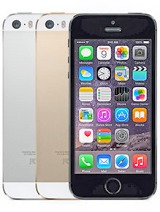
We've finally reached the Apple iPhone 5s price point. Don't get us wrong, it's an amazing smartphone but the pricing gets harder to swallow each passing year, especially when you can have the ever improving Android and WP8 phones at half the cost.
It's a gorgeous device no doubt, with a thin and light aluminum body and people really seem to enjoy the new gold color option.
The 8MP camera shows improvements over the iPhone 5, but it wasn't even able to match the last gen flagships let alone the one just around the corner. The new Apple A7 chipset is a beast (don't be fooled by core count and clock speed, it's a new architecture) and iOS 7 brought some much needed improvements. The TouchID fingerprint sensor is also something that might draw you this way, but unless you are deeply invested into the ecosystem value for money isn't among the smartphone's strong points.
To put things in perspective, a 32GB iPhone 5s costs as much as two Galaxy Note 3 units (each with 32GB storage plus microSD card slot).
[TABLE="class: shopping-guide-table, width: 1"]
[TR]
[TD="class: shopping-pick, bgcolor: #F7F7F7, align: center"]
Apple iPhone 5s
[/TD]
[TD="bgcolor: #F7F7F7"]Pros[/TD]
[TD="bgcolor: #F7F7F7"]Cons[/TD]
[/TR]
[TR]
[TD="class: column, bgcolor: #F7F7F7"]
  • Beautiful 7.6mm aluminum body
  • iOS 7
  • 4" Retina screen, 326ppi
  • Stellar performance
  • TouchID fingerprint sensor
[/TD]
[TD="class: column, bgcolor: #F7F7F7"]
  • Insanely expensive
  • Non-expandable storage
  • Small screen
  • Camera falling behind the curve
  • Too reliant on iTunes
  • Proprietary connector
[/TD]
[/TR]
[TR]
[TD="bgcolor: #F7F7F7, colspan: 2"]Review[/TD]
[/TR]
[/TABLE]

By the way, if you're interested in tablets, we have a tablet shopping guide too.
Happy shopping, everyone!
 
[h=3]Introduction[/h]Tablets may not be as prominent on this website as smartphones but we are equally passionate about both. And as much as we enjoy testing the latest gadgets in and out, we hope too that while doing that we help you make informed buying decisions. That's what these shopping guides are for.
It's been a while since this article was last updated and that's mainly down to the lack of much movement in the market since December. Keen as ever to not miss anything, we've been closely following all developments. So here's the latest edition of our tablet buying guide.
We cater to a quite diverse international audience, so most of the times we won't be mentioning specific prices but we're sure you'll know a deal when you see one. Our job would be to list what we think are the best tablets out there, so there should be a good enough bang for your buck whichever of these you go for.
We've broken down our tablet recommendations into three distinct categories: compact, midsize, and full-size. And since tablets generally come in both Wi-Fi-only and 3G/LTE-enabled variants, we've split each section accordingly. On each page the different options will be listed according to their price range - from affordable to ridiculous, each with their merits.
inline.jpg
We get things started in the compact tablet category. Compacts are growing in popularity not only in casual living room environments, but also out in the open and even in corporate scenarios, thanks to their versatility and portability. This category also offers the cheapest way to get into tablets in the first place so we assume there would be a lot of first-time buyers here.
Moving on, midsize tablets are for people who want a bit more screen estate while still maintaining portability. What exactly constitutes a midsize tablet will be different for each individual user, and can be anywhere between 7.5"-9". We'll give you plenty of choice when it comes to finding the right combination of size, features, and price. This is the newest category of the three and it might as well attract new tablet users who have been so far unwilling to commit to either of the two extremes of the tablet range - the 7-inchers and the 10-inchers.
Finally, full-size tablets are those that touch or cross the 10" mark. This is where top manufacturers like Samsung, Sony, and Apple will duke it out for dominance. Some of these tablets are just a keyboard away from compact laptop territory, so be sure that this is the way you want to go when you consider your options.
For each section, we order our recommendations starting with the cheapest, most worthwhile tablets available from a reputable manufacturer. While so-called "whitebox" offerings from lesser-known makers are surging and account for a huge amount of tablet growth - particularly ones running Android - their affordable price is oftentimes the result of using low-cost components and they simply don't offer a reliable and consistent user experience (let alone regular software updates).
Above all, we value tablets with high-grade screens, robust performance, good build quality and rich connectivity options. We consider a poor screen to be a deal breaker and having wide viewing angles with no serious shift in colors and contrast is a must for a solid tablet user experience. Where possible, we would always pick a higher resolution screen as well.
We don't consider cameras to be important on tablets and if you are only going to view your photos on the tablet's screen, then a high resolution camera is hardly a must.
We like seeing tablets with card slots to cheaply top up the built-in storage but still we reckon 16GB is the minimum built-in memory you should consider. For modern day tablets without card slots, we always recommend getting the 32GB version, as a mere 16GB simply doesn't cut it anymore.
On the next page we get started with our compact tablet recommendations but you can jump right to what you're looking for using the links below:

Or, just sit back and enjoy the latest edition of our tablet shopping guide.
 
[h=3]3G/4G compact tablets[/h]If you plan on taking your compact tablet on the go - and let's face it, seven-inch or thereabout is the only tablet size that's truly portable - then 3G and LTE are likely on your list of features. After all, there won't be Wi-Fi hotspots everywhere, and a tablet's utility becomes somewhat hampered without being able to go online. What follows is a list of recommended compact tablet offerings that let you connect to a 3G and/or 4G/LTE networks.
You would probably be buying one of those mobile internet enabled tablets from your mobile carrier so prices will vary, they would be harder to compare and you would probably have limited choice. Still e're ordering the choices bellow based in their commitment free prices.
The Asus FonePad 7 is a low cost option that has 3G connectivity and even supports making phone calls. You can currently find it for about €100 less than 3G/4G-enabled variants of the Nexus 7 and Kindle Fire HDX, which is a tough markup to swallow.
Asus just recently announced an LTE version of the Fonepad 7 as well as a Dual SIM version.
[TABLE="class: shopping-guide-table, width: 1"]
[TR]
[TD="class: shopping-pick, bgcolor: #F7F7F7, align: center"]
Asus Fonepad 7
[/TD]
[TD="bgcolor: #F7F7F7"]Pros[/TD]
[TD="bgcolor: #F7F7F7"]Cons[/TD]
[/TR]
[TR]
[TD="class: column, bgcolor: #F7F7F7"]
  • Inexpensive
  • Dual SIM version
  • microSD card slot
  • Phone calls support
[/TD]
[TD="class: column, bgcolor: #F7F7F7"]
  • Low res screen
[/TD]
[/TR]
[TR]
[TD="bgcolor: #F7F7F7, colspan: 2"][/TD]
[/TR]
[/TABLE]

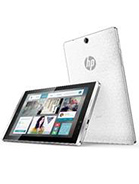
At around the same price, HP has recently released their HP Slate7 VoiceTab. It's both a tablet and a phone. It offers 16GB of built-in storage for the price Asus is asking for 8GB, and there is also the microSD slot to expand that even further. Not only that, but you also have a 1.2GHz quad-core processor inside the Slate7 VoiceTab and there is a Dual SIM version.
There is no LTE support however and its IPS LCD screen has a relatively low resolution.
HP however offers an intriguing option to its US customers. The prepaid HP DataPass mobile data service gives users 250MB worth of wireless data traffic per month for a period of 2 years and HP claims it plans to bundle it with some of its tablets.
[TABLE="class: shopping-guide-table, width: 1"]
[TR]
[TD="class: shopping-pick, bgcolor: #F7F7F7, align: center"]
HP Slate7 Voicetab
[/TD]
[TD="bgcolor: #F7F7F7"]Pros[/TD]
[TD="bgcolor: #F7F7F7"]Cons[/TD]
[/TR]
[TR]
[TD="class: column, bgcolor: #F7F7F7"]
  • Inexpensive
  • Dual SIM version
  • microSD card slot
  • Phone calls support
[/TD]
[TD="class: column, bgcolor: #F7F7F7"]
  • Low res screen
[/TD]
[/TR]
[TR]
[TD="bgcolor: #F7F7F7, colspan: 2"][/TD]
[/TR]
[/TABLE]

The Google Nexus 7 with LTE winds up next on our list. It offers a wide array of support for different LTE networks, so you can rest assured it will work in many areas - even if you're traveling overseas. Like with the Wi-Fi-only version, we recommend going for the 32GB version as the Nexus 7 does not have microSD card support.
[TABLE="class: shopping-guide-table, width: 1"]
[TR]
[TD="class: shopping-pick, bgcolor: #F7F7F7, align: center"]
Asus Google Nexus 7 (2013)
[/TD]
[TD="bgcolor: #F7F7F7"]Pros[/TD]
[TD="bgcolor: #F7F7F7"]Cons[/TD]
[/TR]
[TR]
[TD="class: column, bgcolor: #F7F7F7"]
  • Android 4.4 KitKat
  • Low weight
  • Best possible upgrade support
[/TD]
[TD="class: column, bgcolor: #F7F7F7"]
  • No microSD card slot
[/TD]
[/TR]
[TR]
[TD="bgcolor: #F7F7F7, colspan: 2"]Review[/TD]
[/TR]
[/TABLE]

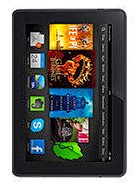
With its quad-core 2.2 GHz Snapdragon 800 processor, the 3G-enabled Kindle Fire HDX brings the same stellar performance of its Wi-Fi-only version into the LTE arena.
Keep in mind that it suffers from the same limitations as the aforementioned Wi-Fi-only version: there is no Google Play support and no microSD card slot on board. This purchase would tie you in to Amazon's ecosystem of web services.
[TABLE="class: shopping-guide-table, width: 1"]
[TR]
[TD="class: shopping-pick, bgcolor: #F7F7F7, align: center"]
Amazon Kindle Fire HDX
[/TD]
[TD="bgcolor: #F7F7F7"]Pros[/TD]
[TD="bgcolor: #F7F7F7"]Cons[/TD]
[/TR]
[TR]
[TD="class: column, bgcolor: #F7F7F7"]
  • Unmatched performance
  • Great screen
[/TD]
[TD="class: column, bgcolor: #F7F7F7"]
  • No microSD card slot
  • No Google Play support
  • Modified Android version
[/TD]
[/TR]
[TR]
[TD="bgcolor: #F7F7F7, colspan: 2"][/TD]
[/TR]
[/TABLE]

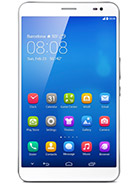
Possessing a distinct iPhone-like design, the Huawei X1 is another tablet that can make and receive calls - and it's also probably the most expensive tablet on this page. It was only recently announced but it's supposed to become available quite soon.
We had a chance to check the X1 out at the MWC 2014 in February and our impressions are only positive. It remains to be seen whether the unusual choice of chipset model - a quad-core Hisilicon Kirin 910 - will play to its advantage.
Other than that the 7-inch screen with a resolution of 1200x1920px is certainly eye-catching, as well as the extremely skinny bezels. On the back there is even a 13MP camera, while on the front, there is a 5MP one.
It's got also a clever technology which allows it to charge other devices via the microUSB slot.
However, this one won't come cheap as it's planned to cost around €400 or about the same as a high-end smartphone.
[TABLE="class: shopping-guide-table, width: 1"]
[TR]
[TD="class: shopping-pick, bgcolor: #F7F7F7, align: center"]
Huawei X1
[/TD]
[TD="bgcolor: #F7F7F7"]Pros[/TD]
[TD="bgcolor: #F7F7F7"]Cons[/TD]
[/TR]
[TR]
[TD="class: column, bgcolor: #F7F7F7"]
  • LTE
  • Metal body
  • microSD card slot
  • Large battery
[/TD]
[TD="class: column, bgcolor: #F7F7F7"]
  • No Android 4.4 KitKat availability announced
  • Expensive (suggested retail price €400)
[/TD]
[/TR]
[TR]
[TD="bgcolor: #F7F7F7, colspan: 2"]Hands-on

[/TD]
[/TR]
[/TABLE]
 
[h=3]3G/4G midsize tablets[/h]If you want to take your tablet on the go, then being able to rely on a 3G and/or LTE connection is almost a must. This section is for those of us that don't want to have to constantly bounce from Wi-Fi network to Wi-Fi network when we're out and about with our tablets.
First up, comes the Lenovo Yoga Tablet 8. While its 1280 x 800 pixel display and quad-core MediaTek 1.2GHz processor may not be the best around, the Yoga 8 is one of the most affordable 8-inch tablets to offer 3G connectivity. Plus, its built-in 3-stage kickstand, 6,000 mAh battery and Dolby Digital Plus sound enhancement make it a great media player.
The screen may have a low resolution but it's an IPS LCD and has great side viewing angles.
The Yoga Tablet 8 does have fairly limited 3G network connectivity (it supports only two HSDPA bands - 900/2100Mhz), so be sure it has the right coverage for your area if you decide to get one.
[TABLE="class: shopping-guide-table, width: 1"]
[TR]
[TD="class: shopping-pick, bgcolor: #F7F7F7, align: center"]
Lenovo Yoga 8
[/TD]
[TD="bgcolor: #F7F7F7"]Pros[/TD]
[TD="bgcolor: #F7F7F7"]Cons[/TD]
[/TR]
[TR]
[TD="class: column, bgcolor: #F7F7F7"]
  • Android 4.2 Jelly Bean
  • Low cost
  • microSD card slot
  • Built-in kickstand
  • Large battery
[/TD]
[TD="class: column, bgcolor: #F7F7F7"]
  • Questionable future update support
  • Limited 3G band coverage
  • No LTE support
[/TD]
[/TR]
[TR]
[TD="bgcolor: #F7F7F7, colspan: 2"][/TD]
[/TR]
[/TABLE]

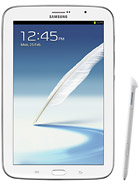
The Samsung Galaxy Note 8.0 makes our list here thanks in large part to its extensive LTE support. The 8-inch tablet otherwise has low screen resolution of 800 x 1280px, and gets beat out by the LG G Pad 8.3 in terms of performance as well, but the LG offering has an LTE version only in the US and only for Sprint so the comparison is irrelevant here.
The Note 8.0 also has a wide array of connectivity extras, including an IR-port and an USB Host support.
Plus, Samsung's excellent pressure-sensitive S-Pen is perfect for jotting things down or doodling away and there's hardly a tablet out there that can match it.
[TABLE="class: shopping-guide-table, width: 1"]
[TR]
[TD="class: shopping-pick, bgcolor: #F7F7F7, align: center"]
Samsung Galaxy Note 8.0
[/TD]
[TD="bgcolor: #F7F7F7"]Pros[/TD]
[TD="bgcolor: #F7F7F7"]Cons[/TD]
[/TR]
[TR]
[TD="class: column, bgcolor: #F7F7F7"]
  • Android 4.1.2 Jelly Bean
  • microSD card slot
[/TD]
[TD="class: column, bgcolor: #F7F7F7"]
  • Low-resolution screen
[/TD]
[/TR]
[TR]
[TD="bgcolor: #F7F7F7, colspan: 2"]Review[/TD]
[/TR]
[/TABLE]

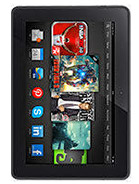
The Amazon Kindle Fire HDX 8.9's LTE-enabled variant comes next. When it comes to pure processing power, very few other tablets can match or beat its quad-core 2.2GHz Snapdragon 800 processor and Adreno 330 GPU alongside 2GB of RAM. The 2560 x 1600px display resolution also provides unparalleled until recently sharpness. It also features an 8MP primary camera with a front-facer capable of 720p video recording.
Keep in mind, though, that all Kindle Fires run on a highly customized Android version without support for Google Play, so you'll have to rely on the less-robust Amazon App Store for your app needs. It also doesn't have microSD card support, so we recommend at least the 32GB version if you decide to go for a Kindle.
[TABLE="class: shopping-guide-table, width: 1"]
[TR]
[TD="class: shopping-pick, bgcolor: #F7F7F7, align: center"]
Amazon Kindle Fire HDX 8.9
[/TD]
[TD="bgcolor: #F7F7F7"]Pros[/TD]
[TD="bgcolor: #F7F7F7"]Cons[/TD]
[/TR]
[TR]
[TD="class: column, bgcolor: #F7F7F7"]
  • Excellent performance
[/TD]
[TD="class: column, bgcolor: #F7F7F7"]
  • No microSD card slot
  • No Google Play support
  • Modified Android version
[/TD]
[/TR]
[TR]
[TD="bgcolor: #F7F7F7, colspan: 2"][/TD]
[/TR]
[/TABLE]

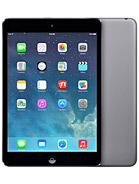
The Apple iPad mini 2 again brings up the rear for buyers for whom cost is not an issue. Apple's latest mini has a 7.9" Retina display at 1536 x 2048px and a 4:3 aspect ratio. Apple's App store is second-to-none when it gets to tablets.
The LTE-enabled version offers an immensely wide LTE band support. It also has the benefit of a built-in GPS chip, something with the Wi-Fi only version lacks.
The iPad mini 2 does not come with a microSD card slot, so we recommend you get at least the 32GB version despite its exorbitant markup.
[TABLE="class: shopping-guide-table, width: 1"]
[TR]
[TD="class: shopping-pick, bgcolor: #F7F7F7, align: center"]
Apple iPad mini 2
[/TD]
[TD="bgcolor: #F7F7F7"]Pros[/TD]
[TD="bgcolor: #F7F7F7"]Cons[/TD]
[/TR]
[TR]
[TD="class: column, bgcolor: #F7F7F7"]
  • iOS 7.0.4
  • Great performance
  • Sharpest in-class display
[/TD]
[TD="class: column, bgcolor: #F7F7F7"]
  • No microSD card slot
  • Cost prohibitive
[/TD]
[/TR]
[TR]
[TD="bgcolor: #F7F7F7, colspan: 2"]Review[/TD]
[/TR]
[/TABLE]

Usually, it was the Apple iPad range, which we recommended to buyers for whom cost was not an issue. But Samsung has recently released their premium mid-size tablet, which is even more expensive than Apple's latest iPad mini.
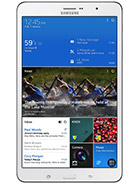
The Samsung Galaxy Tab Pro 8.4 also happens to have both a 3G and an LTE version. They cover more network bands that you can shake a stick at so choosing either will have you covered in most parts of the world.
The Samsung Galaxy Tab Pro 8.4 key selling feature is a 2560 x 1600px screen, a Snapdragon 800 processor, an 8MP camera with 1080p video recording and a microSD card slot.
It not only comes with the latest Android OS v4.4 (KitKat) but Samsung has also baked a spanking new tablet interface of their own, which truly elevates the tablet user experience to a whole new level (the split-screen multi-tasking view is well overdue on high-res screen tablets).
[TABLE="class: shopping-guide-table, width: 1"]
[TR]
[TD="class: shopping-pick, bgcolor: #F7F7F7, align: center"]
Samsung Galaxy Tab Pro 8.4 3G/LTE
[/TD]
[TD="bgcolor: #F7F7F7"]Pros[/TD]
[TD="bgcolor: #F7F7F7"]Cons[/TD]
[/TR]
[TR]
[TD="class: column, bgcolor: #F7F7F7"]
  • Gorgeous high-res screen
  • Great performance
  • The latest tablet-optimized TouchWiz UI
  • microSD card slot
  • Android 4.4.2 KitKat
[/TD]
[TD="class: column, bgcolor: #F7F7F7"]
  • Very pricey
[/TD]
[/TR]
[TR]
[TD="bgcolor: #F7F7F7, colspan: 2"]Review

[/TD]
[/TR]
[/TABLE]
 
[h=3]3G/4G full-size tablets[/h][h=3]Large or not, sometimes you just want to take your tablet out. This section is for those of us that don't want to have to constantly bounce from one Wi-Fi network to the other.
Lenovo's Yoga Tablet 10 comes first in this section as it's the most affordable decent 10-inch tablet currently available that also offers 3G connectivity. Although its 1280 x 800 pixel resolution stretches a bit thin on such a large display, at least it's an IPS LCD unit that offers great viewing angles.
The quad-core 1.2GHz processor of the Tablet 10 has little trouble pumping out all the pixels to the screen and it feels snappy (though probably not lightning fast).
There's also the trademark built-in 3-stage kickstand, a 9,000mAh battery and dual front stereo speakers with Dolby Digital Plus for multimedia viewing.
The Yoga Tablet 10 does have fairly limited 3G network connectivity (it supports only HSDPA bands 900/2100), so be sure it has the right coverage for your area if you decide to get one.
Lenovo recently announced their Lenovo Yoga Tablet 10+, which brings up the resolution to 1920x1200 pixels and has a better processor, but it would be a while until it reaches the market.
[TABLE="class: shopping-guide-table, width: 1"]
[TR]
[TD="class: shopping-pick, bgcolor: #F7F7F7, align: center"]
Lenovo Yoga Tablet 10
[/TD]
[TD="bgcolor: #F7F7F7"]Pros[/TD]
[TD="bgcolor: #F7F7F7"]Cons[/TD]
[/TR]
[TR]
[TD="class: column, bgcolor: #F7F7F7"]
  • Android 4.2 Jelly Bean
  • Low cost
  • microSD card slot
  • Built-in kickstand
  • Large battery
[/TD]
[TD="class: column, bgcolor: #F7F7F7"]
  • Poor screen
  • Limited 3G band coverage
  • No LTE support
[/TD]
[/TR]
[TR]
[TD="bgcolor: #F7F7F7, colspan: 2"][/TD]
[/TR]
[/TABLE]

Nokia's first tablet offering, the Nokia Lumia 2520, was revealed late last year, running Windows 8.1 RT. With a quad-core 2.2GHz Snapdragon 800 processor, a FullHD screen and a solid unibody construction, the Lumia 2520 is a promising gadget. It's also got Dolby headphone sound enhancement and is one of the first tablets to support USB 3.0 with USB host.
That's some capable hardware, but despite it and the presence of LTE, the Lumia 252 is priced the same as the Wi-Fi only iPad Air.
However, you have got to remember that even with Nokia's own software goodies added to the mix, Windows RT has a hard time competing with its rivals in anything but office-related productivity tasks.
This device, much like the Surface tablets, failed to turn the prospects of Windows RT for the better. And the situation is unlikely to change any soon as all other major manufacturers and Microsoft partners have abandoned Windows RT and have turned their attention to making tablets running the full-featured Windows (thanks to Intel's Atom Bay Trail Z3xxx chipsets). The only mainstay of the Windows RT tablets remains the built-in mobile network connectivity, which the Atom Bay Trail chipsets still don't offer.
[TABLE="class: shopping-guide-table, width: 1"]
[TR]
[TD="class: shopping-pick, bgcolor: #F7F7F7, align: center"]
Nokia Lumia 2520
[/TD]
[TD="bgcolor: #F7F7F7"]Pros[/TD]
[TD="bgcolor: #F7F7F7"]Cons[/TD]
[/TR]
[TR]
[TD="class: column, bgcolor: #F7F7F7"]
  • Microsoft Office preinstalled
  • microSD card slot
  • USB 3.0 host support, NFC
  • Great performance
[/TD]
[TD="class: column, bgcolor: #F7F7F7"]
  • Limited app selection
[/TD]
[/TR]
[TR]
[TD="bgcolor: #F7F7F7, colspan: 2"]Review[/TD]
[/TR]
[/TABLE]

The LTE version of the stylish Sony's Xperia Tablet Z makes its way into this section as one of the more affordable top-tier 10-inchers. You get a 1.5GHz Snapdragon processor with 2GB of RAM and Adreno 320 GPU, and Sony is committed to bringing an Android 4.4 KitKat update.
[TABLE="class: shopping-guide-table, width: 1"]
[TR]
[TD="class: shopping-pick, bgcolor: #F7F7F7, align: center"]
Sony Xperia Tablet Z LTE
[/TD]
[TD="bgcolor: #F7F7F7"]Pros[/TD]
[TD="bgcolor: #F7F7F7"]Cons[/TD]
[/TR]
[TR]
[TD="class: column, bgcolor: #F7F7F7"]
  • Android 4.1.2 Jelly Bean
  • microSD card slot
  • IR-port, NFC
  • IP57 dust and water resistance
[/TD]
[TD="class: column, bgcolor: #F7F7F7"]
  • Chipset not up with the best
[/TD]
[/TR]
[TR]
[TD="bgcolor: #F7F7F7, colspan: 2"]Review[/TD]
[/TR]
[/TABLE]

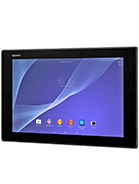
It was only last month that Sony announced their next gen tablet. Dubbed the Sony Xperia Z2 Tablet, it has a faster Snapdragon 801 chipset and an 8MP back camera with improved Exmor RS sensor. It also has an improved water resistance - this time it would gladly take a dip in the kiddie pool for up to 30 minutes. There is also the latest Android 4.4 KitKat on board.
It's rated battery times are lower though, which doesn't bode well for its market chances. The battery life of the original model was not stellar.
The Xperia Z2 Tablet is supposed to have its market launch in March. We guess, that would make the previous generation even more affordable.
[TABLE="class: shopping-guide-table, width: 1"]
[TR]
[TD="class: shopping-pick, bgcolor: #F7F7F7, align: center"]
Sony Xperia Z2 Tablet
[/TD]
[TD="bgcolor: #F7F7F7"]Pros[/TD]
[TD="bgcolor: #F7F7F7"]Cons[/TD]
[/TR]
[TR]
[TD="class: column, bgcolor: #F7F7F7"]
  • Android 4.4 KitKat
  • microSD card slot
  • Impressive design
  • Top-notch performance
  • IP58 dust and water resistance
[/TD]
[TD="class: column, bgcolor: #F7F7F7"]
  • Limited battery capacity
[/TD]
[/TR]
[TR]
[TD="bgcolor: #F7F7F7, colspan: 2"][/TD]
[/TR]
[/TABLE]

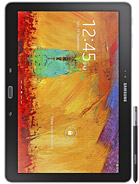
The Samsung Galaxy Note 10.1 2014 Edition's LTE brings the incredibly sharp 2560 x 1600 pixel display, 3GB of RAM, and quad-core Snapdragon 800 performance of the Wi-Fi-only variant, and bumps up the clock speed to 2.3GHz. Also an LTE exclusive is the Adreno 330 GPU and 1080p@60fps video recording.
Samsung's great pressure-sensitive S-Pen offers something other tablets simply can't match. The pleasant leather-like textured plastic back from the Note 3 has also made its way to its elder sibling and it works great visually though the faux stitches don't look that premium.
[TABLE="class: shopping-guide-table, width: 1"]
[TR]
[TD="class: shopping-pick, bgcolor: #F7F7F7, align: center"]
Samsung Galaxy Note 10.1 (2014 Edition)
[/TD]
[TD="bgcolor: #F7F7F7"]Pros[/TD]
[TD="bgcolor: #F7F7F7"]Cons[/TD]
[/TR]
[TR]
[TD="class: column, bgcolor: #F7F7F7"]
  • Excellent performance and unrivaled multitasking
  • IR-port
  • S-Pen stylus
  • microSD card slot
[/TD]
[TD="class: column, bgcolor: #F7F7F7"]
  • High starting price
[/TD]
[/TR]
[TR]
[TD="bgcolor: #F7F7F7, colspan: 2"]Review[/TD]
[/TR]
[/TABLE]

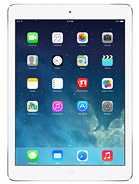
And if money is of no object, the Apple iPad Air brings LTE connectivity and an ultra-sharp display alongside Apple's proprietary A7 chipset. Having access to Apple's App store, the Air get to choose from the largest selection of tablet-optimized apps in existence, which is certainly its key weapon.
The LTE-enabled version offers an immensely wide LTE band support. It also has the benefit of having a built-in GPS chip, something which the Wi-Fi only version lacks.
The iPad Air does not come with a microSD card slot, so you'd either have to pay close to €700 for the 32GB version or constantly find yourself lacking enough storage.
[TABLE="class: shopping-guide-table, width: 1"]
[TR]
[TD="class: shopping-pick, bgcolor: #F7F7F7, align: center"]
Apple iPad Air
[/TD]
[TD="bgcolor: #F7F7F7"]Pros[/TD]
[TD="bgcolor: #F7F7F7"]Cons[/TD]
[/TR]
[TR]
[TD="class: column, bgcolor: #F7F7F7"]
  • Unmatched selection of tablet-optimized apps
  • Great performance
  • Lighter and more compact than most rivals
  • Great design
[/TD]
[TD="class: column, bgcolor: #F7F7F7"]
  • No microSD card slot and costly memory upgrade options
[/TD]
[/TR]
[TR]
[TD="bgcolor: #F7F7F7, colspan: 2"]Review[/TD]
[/TR]
[/TABLE]

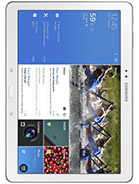
The Galaxy Tab Pro 10.1 is yet another Samsung tablet that aims to get away with a pricetag higher than its Apple rivals. It has a beautiful high-res screen, a micro SD slot, an 8MP camera, and a capable octa-core chipset to show for it. And it happens to have fine 3G and LTE versions. They cover more network bands that you can shake a stick at so choosing either will have you covered in most parts of the world.
[TABLE="class: shopping-guide-table, width: 1"]
[TR]
[TD="class: shopping-pick, bgcolor: #F7F7F7, align: center"]
Samsung Galaxy Tab Pro 10.1 LTE
[/TD]
[TD="bgcolor: #F7F7F7"]Pros[/TD]
[TD="bgcolor: #F7F7F7"]Cons[/TD]
[/TR]
[TR]
[TD="class: column, bgcolor: #F7F7F7"]
  • Gorgeous high-res screen
  • Great performance
  • The latest tablet-optimized TouchWiz UI
  • microSD card slot
  • Android 4.4.2 KitKat
[/TD]
[TD="class: column, bgcolor: #F7F7F7"]
  • Pricey
[/TD]
[/TR]
[TR]
[TD="bgcolor: #F7F7F7, colspan: 2"]Review[/TD]
[/TR]
[/TABLE]

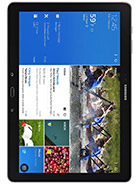
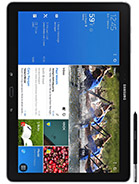
Big spenders might as well pick up either of the two new Samsung Pro 12.2 tablets as they both have 3G and LTE networks. There is the Samsung Galaxy Tab Pro 12.2 and the Samsung Galaxy Note Pro 12.2 with the latter offering Samsung's exclusive pressure-sensitive stylus functionality. Other than that there is not that much difference between the two.
[TABLE="class: shopping-guide-table, width: 1"]
[TR]
[TD="class: shopping-pick, bgcolor: #F7F7F7, align: center"]
Samsung Galaxy Tab Pro 12.2
[/TD]
[TD="bgcolor: #F7F7F7"]Pros[/TD]
[TD="bgcolor: #F7F7F7"]Cons[/TD]
[/TR]
[TR]
[TD="class: column, bgcolor: #F7F7F7"]
  • One of a kind tablet screen size
  • Gorgeous high-res screen
  • Android 4.4 KitKat
  • microSD slot
  • Great performance
  • The latest tablet-optimized TouchWiz UI
[/TD]
[TD="class: column, bgcolor: #F7F7F7"]
  • Very pricey
[/TD]
[/TR]
[TR]
[TD="bgcolor: #F7F7F7, colspan: 2"]Hands-on[/TD]
[/TR]
[/TABLE]

They both have 12.2-inch screens with 2560 x 1600px resolution, a minimum of 32GB of built-in storage plus a card slot, octa-core Exynos chipsets and 8MP cameras with 1080p video recording.
[TABLE="class: shopping-guide-table, width: 1"]
[TR]
[TD="class: shopping-pick, bgcolor: #F7F7F7, align: center"]
Samsung Galaxy Note Pro 12.2
[/TD]
[TD="bgcolor: #F7F7F7"]Pros[/TD]
[TD="bgcolor: #F7F7F7"]Cons[/TD]
[/TR]
[TR]
[TD="class: column, bgcolor: #F7F7F7"]
  • Exclusive Samsung pressure sensitive S Pen functionality
  • One of a kind tablet screen size
  • Gorgeous high-res screen
  • Android 4.4 KitKat
  • microSD slot
  • Great performance
  • The latest tablet-optimized TouchWiz UI
[/TD]
[TD="class: column, bgcolor: #F7F7F7"]
  • Very pricey
[/TD]
[/TR]
[TR]
[TD="bgcolor: #F7F7F7, colspan: 2"]Review[/TD]
[/TR]
[/TABLE]

All the tablets in the Samsung Pro range come with the latest Android OS v4.4 (KitKat) but Samsung has also baked in a spanking new tablet interface of their own, which truly elevates the tablet user experience to a whole new level. The split-screen multi-tasking view is well overdue on high-res screen tablets and it's brilliantly implemented here.
[/h]
 
[h=3]Final Words[/h]The developments in the tablet market over this past couple of months are not major, but they are still interesting. For one, Samsung has a whole new Pro range that sells for more money than Apple's range of iPads. That's certainly a change few had expected. Hardly anyone else but Apple can afford such a steep asking price.
We tried to leave out most 10-inch tablets with 1280x800px resolution even though some of them, like the Samsung Galaxy Tab 3 10.1, are among the current bestsellers. This may come as a surprise to some, but 1080p slates backed with enough processing power to carry the resolution have fallen down in price and we no longer find the compromise worth it.
And finally, this is probably the last guide where we are recommending the Windows RT tablets. The Windows RT platform is been quickly made irrelevant by fast and capable Android offers on one side and the influx of many compelling tablets, running the proper version of Windows on Intel's new Bay Trail architecture on the other.
gsmarena_100.jpg
Without undermining their importance, we've deliberately left them out of this article. These tablets generally are outside of our main expertise as they are pretty much straightforward Windows computers. Their low price points however allow them to inevitably come up in the conversation whenever tablet purchase is considered.
Some of the more notable products on the market of this sort include the mid-sized Toshiba Encore 8, the Lenovo Miix 2 8, and the Dell Venue 8 Pro. All three of them have 1.86GHz Intel Atom Z3740 chipsets with Intel HD graphics, 2GB of RAM, 1280 x 800px screens, front and rear cams and run fully-fledged Windows 8.1.
Among the 10-inchers most notable are probably the 10.1-inch Asus Transformer Book T100 and the HP Omni 10. The Asus Transformer Book T100 comes with a detachable keyboard dock, which can even host an optional 500GB HDD. The Asus tablet however lacks a camera on the back and the otherwise good 10-inch screen has a resolution of only 1366 x 768 pixels. The HP Omni 10 is a bit cheaper, has cameras on both front and back and comes with a FullHD resolution, but it lacks a keyboard dock eve as an option. Both of these have excellent real-life battery life of up to 10 hours.
When choosing one of these newfangled Windows tablets, bear in mind that their cheaper 32GB versions already have most of the storage taken up by the system files, so there is hardly any room for installing additional applications. The microSD slot is great for storing your multimedia files, but not so good for apps so 64GB storage is probably the minimum you should be looking at there.
 
Back
Top Bottom